The Hidden Costs of Working From Anywhere
Emailing from a café at dawn, taking a Zoom call by the sea at night — the digital nomad life sounds like a dream. Here are the four things to weigh before you trade the office for the world.

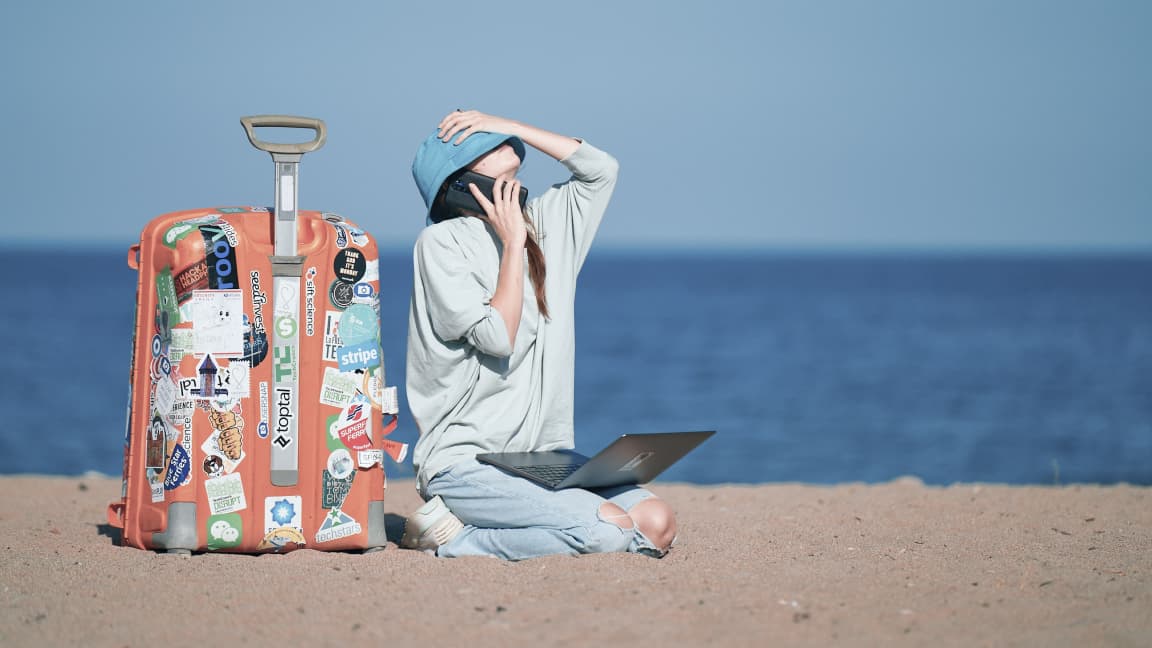
Emailing from a café at dawn, taking a Zoom call by the sea at night — the digital nomad life sounds like a dream. Here are the four things to weigh before you trade the office for the world.
Have you ever pictured handling your emails from a café at dawn, then taking a Zoom call by the sea at night? That is the so-called digital nomad: armed with a laptop and an internet connection, free from the constraints of the office, roaming, working and living all over the world (Hermann et al., 2020). They might be designers, software developers or online instructors — as long as the work can be done remotely, the possibility of travelling the world is theirs.
The idea first emerged in the 1990s. As cloud technology advanced and the digital economy took off, digital nomadism became the way of life a new generation aspires to (Başaran, 2025).
COVID‑19 made remote work mainstream. According to MBO Partners, the digital nomad population in the United States grew from roughly 10.9 million in 2019 to 18.1 million in 2024 — an increase of more than 147% (MBO Partners, 2024).
Digital nomads are mainly Gen Z and Millennials, making up around 64% of the total. Even the 55-and-over age group accounts for roughly 14%, showing that the freedom to choose where you work matters across generations (MBO Partners, 2024). These people also value lived experience and self-realisation, and are no longer content with the traditional nine-to-five (Hermann et al., 2020).
You might be asking: "Am I cut out to be a digital nomad?" Here are a few of the key traits:
Digital nomads need a high degree of self-discipline, the ability to manage their own working hours and to set sensible priorities — because no one is supervising them.
A new city, a new language, a new culture… these are the challenges you have to face.
Such as UI/UX designer, software engineer, content creator, marketing strategist, online course instructor, and so on.
Research suggests that the drive behind digital nomadism comes from a yearning for freedom and adventure, not just the work itself (Hermann et al., 2020).
Whether you want to live in a low-cost country or pick cities with the best weather by season, all you need is fast internet and the right work gear, and you can set off whenever you like.
According to the MBO Partners 2024 survey, 79% of digital nomads are quite satisfied with their work, and 41% are very satisfied with their income too. For them, striking a balance between work and a free life matters more than chasing a higher salary (MBO Partners, 2024).
Regularly switching up your living environment not only sparks thinking and makes you more creative at work, it also lets you meet people from all over the world at coworking spaces, hostels or nomad meetups, expanding your social circle (Hermann et al., 2020).
Short stays make it hard to build stable, deep relationships. Researchers note that many digital nomads feel a sense of unease while constantly drifting (Hermann et al., 2020).
With no fixed office or set working hours, it is easy to work without end, leading to fatigue and even burnout.
Some countries' tourist visas prohibit work, and matters such as length of stay, tax calculation and medical insurance must all be sorted out in advance.
Most nomads work part-time or freelance, lacking long-term stable income and welfare cover, so they need to plan their own savings and insurance carefully.
Popular cities may see rents climb as digital nomad numbers rise, adding to the stress of a nomad's daily life (Hermann et al., 2020).
Can you cope with a constantly changing life, unstable income and cultural differences?
Build an emergency fund of at least 3–6 months, with diverse income sources such as freelance projects, side gigs and online products.
Join online communities related to digital nomadism, and draw on the experience of those who have gone before you.
Plan ahead for visas (such as a digital nomad visa), tax arrangements and health insurance options.
Take the initiative to join in-person events or online gatherings to ease loneliness.
Digital nomadism is not just travel — it is a chance to create an entirely new way of life. It brings you freedom, flexibility and a rich cross-cultural experience, but it also comes with the challenges of self-discipline, planning and psychological adjustment. If you are willing to take on the risk and hope for a more self-directed, more fulfilling life, then digital nomadism may just be the choice that breaks you out of the traditional mould and opens up a new horizon.
A life of roaming from country to country, unbound by place, sounds enviable — but the daily reality of being a digital nomad is also full of anxiety and worry.
With the MindForest App, you can get to know your inner needs more deeply, look after your mental health even while you are on the move, and live a more balanced digital nomad life.
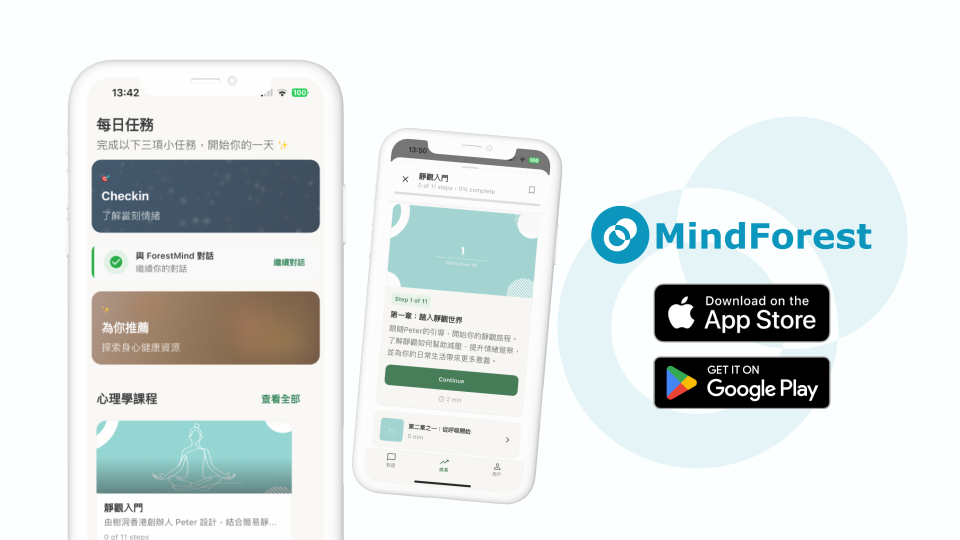
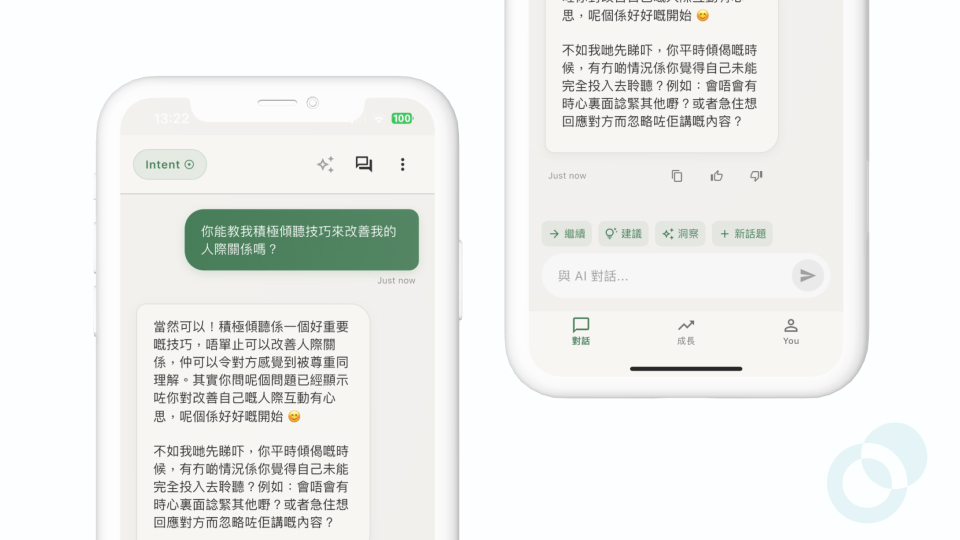
No matter which city you find yourself in today, ForestMind AI can respond to your shifting emotions in real time, help you pinpoint the sources of your stress, and suggest ways to adjust your "nomad life". Even in a foreign place, you need not feel alone.
In the daily process of roaming from place to place, it is easy to ignore the voice within. With the Inspiration Journal, you can write down how you feel today, record those reflections from the road, and create a travel log that is uniquely yours.
Digital nomadism calls for a high degree of self-regulation. Psychological assessment tools will help you examine your own personality, working style and psychological needs, giving you a clearer sense of how to build your own "feeling of safety" and "sense of rhythm".
Try MindForest free now, and let us join you in practising:
In a life that is always on the move, find a place of inner peace, and live out a free and empowered digital nomad life.
References
Başaran, A. (2025). Digital nomads, the new frontier of work in the digital age. Sustainability, 17(5), 1906. https://doi.org/10.3390/su17051906
Hermann, I., Paris, C. M., & Leszczynski, A. (2020). Digital nomadism: The nexus of remote working and travel. Information Technology & Tourism, 22(3), 329–344. https://doi.org/10.1007/s40558-020-00177-z
MBO Partners. (2020). COVID-19 and the rise of the digital nomad. https://s29814.pcdn.co/wp-content/uploads/2021/05/MBO-Partners-Digital-Nomad-Report-2020.pdf
MBO Partners. (2024). The digital nomad report: State of independence research. https://www.mbopartners.com/state‑of‑independence/digital‑nomads/
Public First. (2025, March 6). Digital nomads – How many, why and does it matter? https://www.publicfirst.co.uk/digital-nomads-how-many-why-and-does-it-matter.html

Comments
No comments yet — share your thoughts.