Self-Esteem Isn't One Thing — It's Five
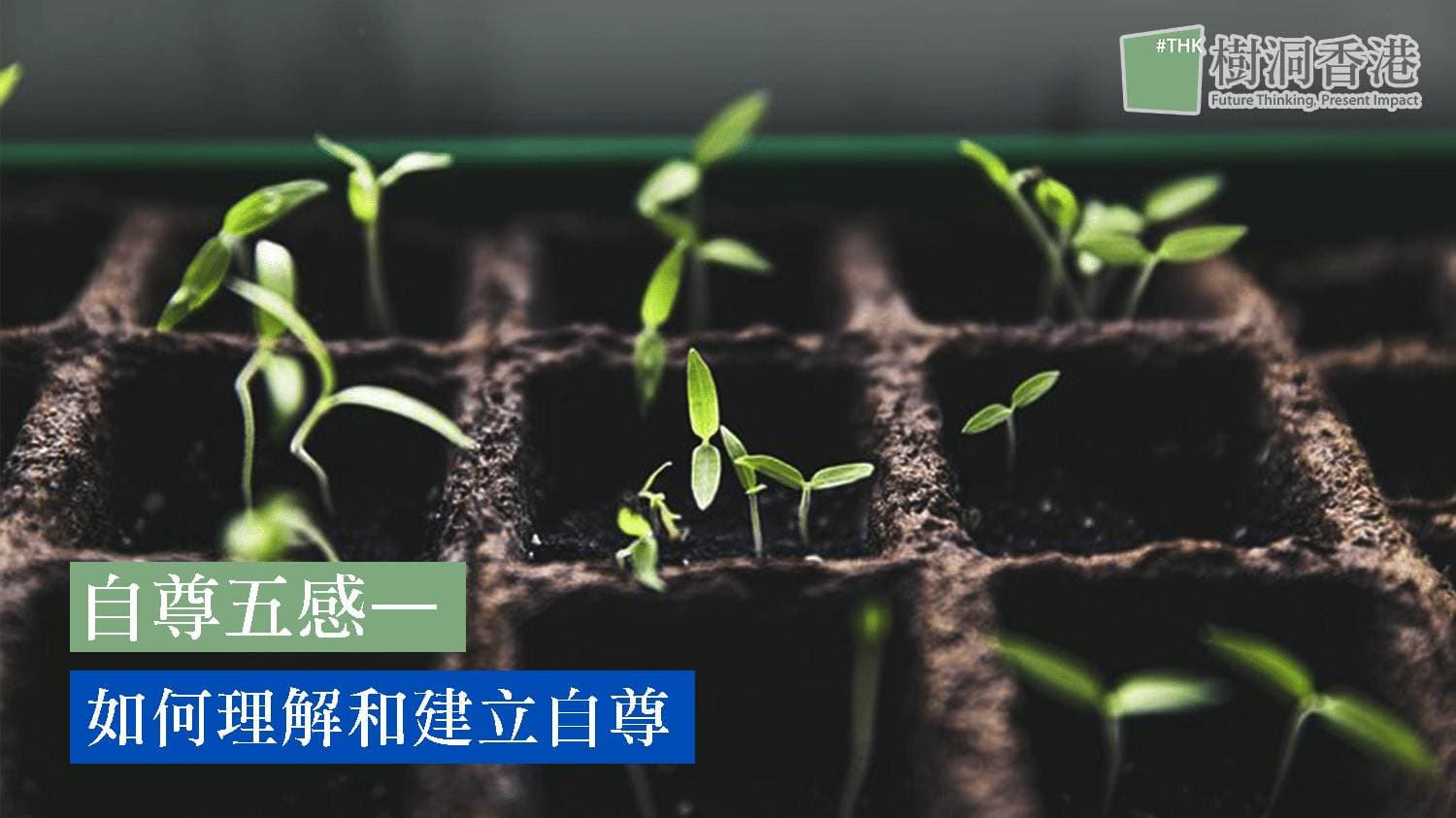
Self-esteem is one of the foundations of our psychological wellbeing, yet "self-worth" can feel too vague to act on. Psychologist Dr Michele Borba breaks it into five building blocks — and shows wher…


Self-esteem is one of the foundations of our psychological wellbeing, yet "self-worth" can feel too vague to act on. Psychologist Dr Michele Borba breaks it into five building blocks — and shows wher…
Self-esteem is one of the foundations of a person's psychological state. It is defined as our subjective evaluation of our own worth — the positive and negative views we hold about ourselves (for example, "I deserve to be loved"), along with the feelings and emotions those views stir up, such as despair, joy, pride or sorrow. No doubt many of us would like to have healthy self-esteem, in order to improve our self-image, our mental health, and even our relationships and careers. But self-evaluation is a rather hazy concept — so where should we begin if we want to build our self-esteem?
The psychologist Dr Michele Borba proposed that self-esteem can be divided into different domains, known collectively as The Five Building Blocks of Self-Esteem. The "five" are: (1) Security, (2) Selfhood, (3) Affiliation, (4) Competence, and (5) Mission. In what follows, we will explain each of these building blocks in more detail and share ways to strengthen them.
Security refers to feeling at ease, comfortable and safe; being able to anticipate what is likely to happen without worry; and being able to trust others and understand rules and limits.
To build our sense of security, we can try to create positive, trustworthy and loving environments and relationships. Setting reasonable boundaries and enforcing them when needed can also help us accept order, and in turn strengthen our sense of security.
Selfhood involves knowing that we are unique, understanding our own worth, and having an accurate, realistic understanding of ourselves and the things that affect us — including recognising our distinctiveness and our roles in the real world. Precisely because of this, people with a strong sense of selfhood are able to accept their appearance, abilities, preferences and qualities, and to acknowledge what sets them apart within a group.
To strengthen our sense of selfhood, we first need to understand and describe ourselves more accurately. Next, we should make the effort to uncover our main roles, abilities and qualities, and learn to notice and understand these traits. Finally, we also need to improve our ability to identify and express our emotions, so that we can have a better grasp of ourselves.
Affiliation refers to feeling accepted, recognised, appreciated and respected by others within our relationships — particularly the relationships that matter most — and having a close connection with, and sense of belonging to, the groups we are part of.
To strengthen the sense of affiliation between members of a group, we can begin by encouraging inclusion and acceptance of different members — for example, by stamping out bullying within the group. After that, we can organise a range of different activities to help everyone deepen their understanding of one another (such as interests, abilities and backgrounds), fostering friendship, mutual recognition and mutual support.
Competence calls for taking pride in the things we accomplish and feeling a sense of achievement — a sense that we are effective and capable. People with a strong sense of competence not only understand their strengths but also understand and accept their weaknesses; as a result, they are more inclined to learn new things and rise to challenges.
To strengthen our sense of competence, we need to learn to make good use of different opportunities — such as our studies and work — to deepen our understanding of our strengths and weaknesses; to record and assess our growth and progress; to reflect on how to learn from our mistakes; and to learn how to take pride in the achievements we have earned for ourselves.
Mission refers to feeling that life has meaning, purpose and drive, and knowing how to set goals that are realistic and achievable, while also taking responsibility for the consequences our personal decisions bring about.
As we work towards goals that strengthen our sense of mission, we will learn to use our past and present performance as a basis for improving our ability to make decisions, find alternatives and recognise consequences. We can also draw on techniques for setting different goals (such as SMART) to help ourselves achieve various goals and strengthen our sense of mission.
Want to understand yourself more deeply? MindForest — a self-discovery app that combines psychology with AI helps you explore your inner world and manage your emotions, anytime and anywhere.
If you are facing emotional difficulties, the professional team at TreeholeHK can help — we offer psychotherapy and counselling services led by clinical psychologists, counselling psychologists and counsellors.
Low self-esteem is not caused by a single weak domain, but by the way the five building blocks of self-esteem interact with one another. So if we want to raise our self-esteem, we need to tend to all five building blocks at the same time. The factors that shape self-esteem also include ourselves (gender, appearance, socioeconomic status and so on), the people around us (such as peers and parents) and our environment; we cannot change our environment overnight, but if we understand and make good use of the five building blocks of self-esteem, we believe it can help us, and those around us, improve our self-esteem.
Reference:
https://micheleborba.com/the-five-building-blocks-of-self-esteem/
The "five" building blocks of self-esteem are: (1) Security, (2) Selfhood, (3) Affiliation, (4) Competence, and (5) Mission.
The factors that shape self-esteem include ourselves (gender, appearance, socioeconomic status and so on), the people around us (such as peers and parents) and our environment. We cannot change our environment overnight, but if we understand and make good use of the five building blocks of self-esteem, we believe it can help us, and those around us, improve our self-esteem.


Comments
No comments yet — share your thoughts.