
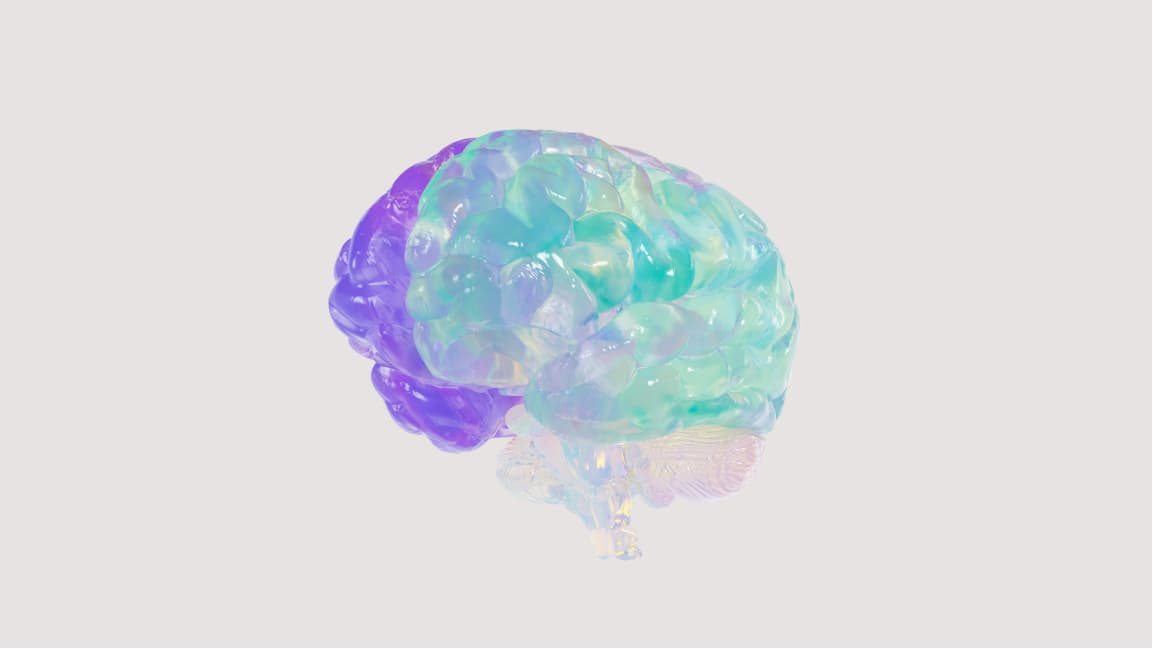
Do you often feel that you're "not quite like everyone else"? Maybe you're especially sensitive to sound or light, you find it easy to get distracted, or once you fall for something you throw yourself into it so completely that you can't pull yourself away. These traits can sometimes feel like "flaws" — but in fact, they may be your innate neurodiversity at work.
Neurodiversity isn't a problem; it's a natural variation in the human brain. Learning to recognise and embrace it won't just help you understand yourself better — it can also help you live as your truest, most at-ease self.
What Is "Neurodiversity"? Your Brain Simply Works Differently from Other People's
The term neurodiversity was first coined by sociologist Judy Singer in the 1990s. She argued that, just as we respect cultural or gender differences, we should respect the diversity of how brains work (Singer, 2017). In other words, there's no such thing as a "normal" or "abnormal" brain — only different neurological systems.
Neurodiversity refers to the fact that human brains naturally come with all kinds of different ways of thinking and perceiving, which means everyone sees the world, learns, feels and expresses themselves differently. Common forms of neurodiversity include:
- Autism Spectrum Disorder (ASD)
- Attention-Deficit/Hyperactivity Disorder (ADHD)
- Dyslexia
- Sensory Processing Differences
- Tourette Syndrome
None of these are flaws or illnesses — they're part of the diversity of the human brain (Armstrong, 2011).
The Neurodivergent World: You Notice Details Others May Miss
Every neurodivergent person is one of a kind, yet their ways of thinking often share certain things in common. These traits can sometimes bring challenges, but they're also tremendous strengths.
? A Keen Eye for Detail
Some people are especially sensitive to sound, light, smell or touch, and can pick up on details that most people overlook. This sharpness lets them shine in design, the arts, or analytical work.
? Deep Immersion in Their Interests
Neurodivergent people often bring extraordinary focus and passion to the subjects they care about, sometimes even reaching an expert level of depth in a particular field (Baron-Cohen et al., 2009).
? Boundless Creativity
Because their brains process information differently, they can often approach problems from an unusual angle, coming up with ideas that are both unexpected and inventive.
The Gift of Being Different: The Strengths and Challenges of Neurodiversity
Neurodiversity is rather like a double-sided gift: it brings plenty of potential and opportunity, but it can come with its share of challenges too.
? Strengths: Your Brain, with Above-Average Abilities
- Creativity that bursts at the seams: unconventional ways of thinking help them excel in the arts, in technology, or in solving problems.
- Remarkable focus: they can devote themselves wholeheartedly to what they love and keep digging deep into it.
- Sincere and direct: many aren't good at "small talk for its own sake", but in everyday exchanges they come across as more genuine and more trustworthy.
- Strong powers of observation: in tasks that demand precision, they often become the most reliable person on the team.
? Challenges: It's Not That "You're Not Good Enough" — the World Is Just Too Complicated
- Difficulty with social interaction: a different way of communicating can sometimes be misunderstood, leading to stress in relationships.
- Challenges with focus and executive function: people with ADHD, for instance, may need extra strategies to manage their time and tasks.
- Sensory overload: noisy or over-stimulating environments can easily leave them feeling drained or anxious.
- Social prejudice: the biggest challenge actually often comes from other people's misunderstanding and labelling (Kapp et al., 2013).
How Can You Make Peace with a "Different Brain"? 5 Ways to Live More at Ease
1) Recognise and Accept Yourself
You don't need to "become normal", because there was never anything wrong with you in the first place. Learning to understand your own neurological traits is the first step towards living in harmony with them. Reading, joining a support community, or talking to a psychologist are all good ways to deepen your self-awareness.
2) Build a Comfortable Living Environment
Sensitive to sound? Put on a pair of noise-cancelling headphones. Easily distracted? Use a tomato timer to help you focus. Learn to adapt your living space so your brain can operate in the conditions that suit it best.
3) Put Your Strengths to Work in the Right Places
Ask yourself: "When am I at my most passionate? At which things do I perform best?" Find the situations that let you shine, and turn them into your advantages at work and in life.
4) Build a Support Network
No one needs to struggle on their own. Connecting with people who understand you — whether friends, family or professionals — can make your journey smoother. Have the courage to voice your needs, and let others know how they can help you.
5) Redefine What "Different" Means
You're not a version that needs "fixing" — you're a whole and unique self. Neurodiversity shouldn't be seen as a "problem"; it's one of the natural forms the human brain takes. When you start working with your brain rather than fighting against it, you'll find that life becomes easier too.
? In Closing: You Don't Need to Become Someone Else — Being Yourself Is the Best Thing of All
In the worldview of neurodiversity, we no longer draw a line between "normal" and "abnormal"; instead, we acknowledge that everyone experiences the world in their own way. Your "being different" may be exactly the key to making the world a better place.
So stop doubting yourself. Learn to appreciate your own brain, understand how it works, and let it become the force that drives you forward. When you stop trying to "fit into the world" and start changing the world in your own way, you'll discover that being "different" was the greatest gift all along.
?Explore the MindForest App: Understanding Neurodiversity
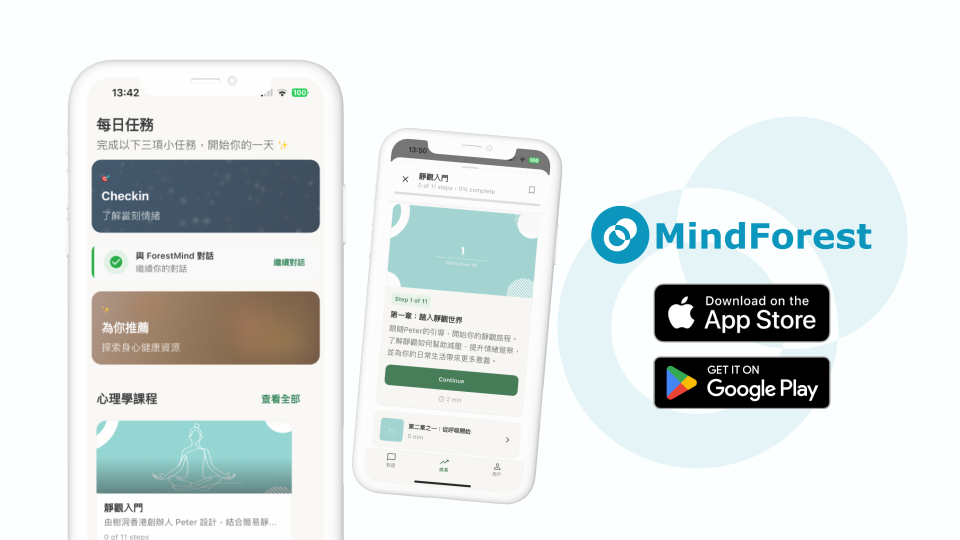
In a world built around the "standard", neurodiversity reminds us that every brain has its own unique way of working — no one is "wrong", just different. MindForest is a digital space made for you, keeping you company on the journey of getting to know yourself and embracing your differences, so you can learn to understand who you are.
? ForestMind AI: Your Mental-Health Companion
Psychology-based AI mental-health coaching helps you understand the unique way your brain works, offering personalised support and suggestions. You don't have to change who you are, because your brain deserves to be understood and respected just as it is.

✍️ Insight Journal: Write Out the Universe Inside Your Mind
Here, recording isn't just keeping notes — it's a process of understanding your brain. The Insight Journal lets you observe your patterns of thought, your sensory experiences and the ebb and flow of your emotions, and learn how to live alongside them.
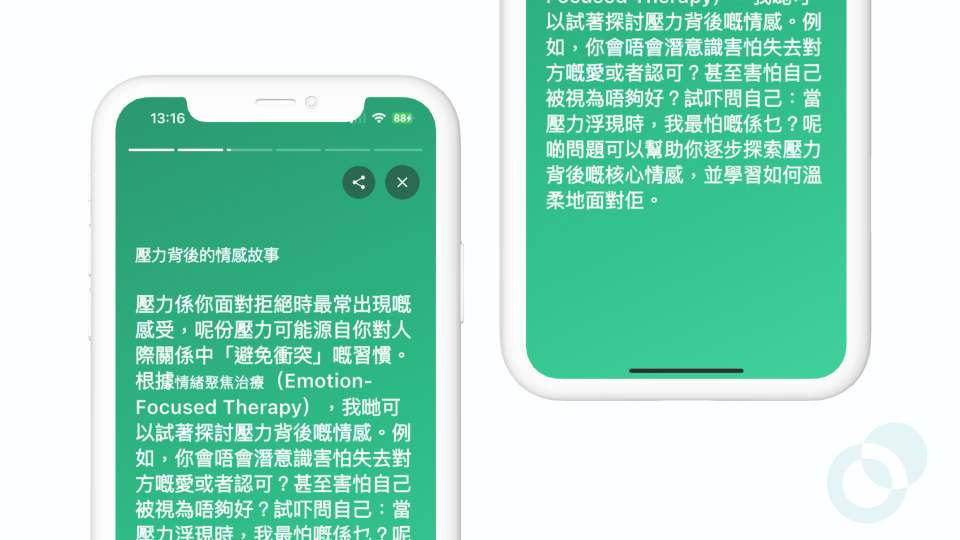
? Psychological Assessments: Explore Your Neural Map
Through psychological assessments, you'll come to recognise your own personality more clearly. This is the first step towards self-acceptance and self-understanding: when you understand your own patterns of behaviour, you can find a way of living that suits you better.

? Download MindForest Now
In the digital age, learn to listen to the voice of your brain and make peace with your unique self.
References
Armstrong, T. (2011). The power of neurodiversity: Unleashing the advantages of your differently wired brain. Da Capo Lifelong Books.
Baron-Cohen, S., Scott, F. J., Allison, C., Williams, J., Bolton, P., Matthews, F. E., & Brayne, C. (2009). Prevalence of autism-spectrum conditions: UK school-based population study. British Journal of Psychiatry, 194(6), 500–509. https://doi.org/10.1192/bjp.bp.108.059345
Kapp, S. K., Gillespie-Lynch, K., Sherman, L. E., & Hutman, T. (2013). Deficit, difference, or both? Autism and neurodiversity. Developmental Psychology, 49(1), 59–71. https://doi.org/10.1037/a0028353
Singer, J. (2017). Neurodiversity: The birth of an idea. Judy Singer.

Comments
No comments yet — share your thoughts.