Finding Home Without Settling Down
Ever wanted to leave a familiar city behind without emigrating for good — to live somewhere new without being just another passing tourist? That restless pull has a name: slow travel living. Here's w…

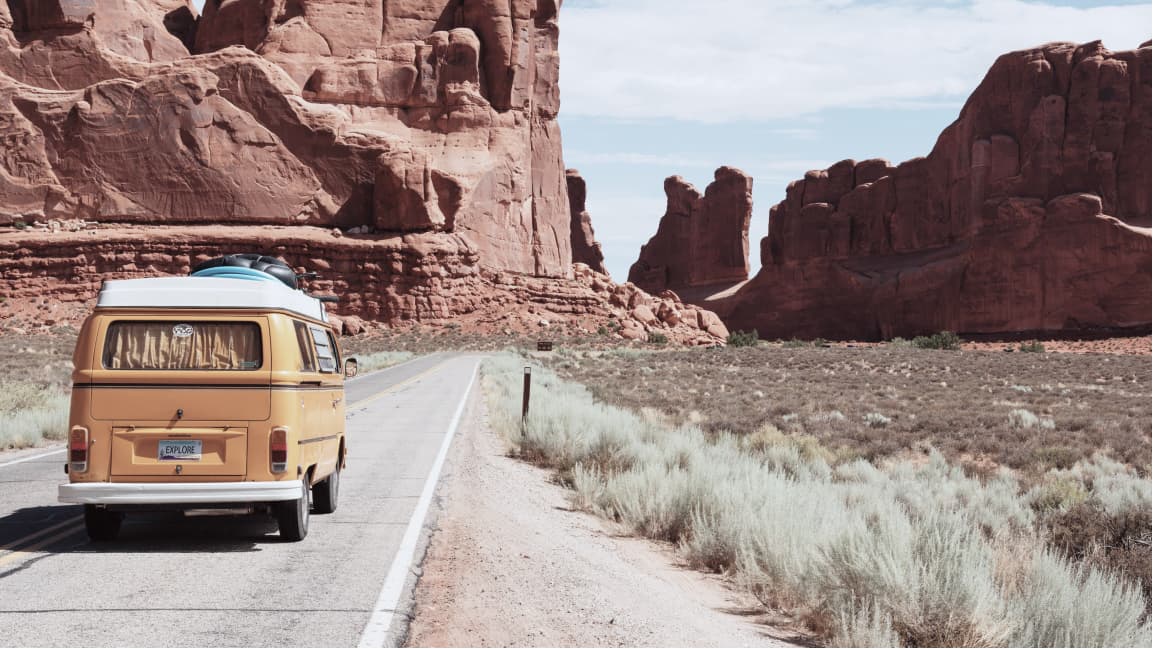

Ever wanted to leave a familiar city behind without emigrating for good — to live somewhere new without being just another passing tourist? That restless pull has a name: slow travel living. Here's w…
Have you ever had a thought like this — that you'd love to leave the city you know so well, yet you're not planning to emigrate for good? That you'd love to live in different countries, yet you don't want to be just a passing tourist? If so, then the idea of "slow travel living" has probably already stirred something in you.
Slow travel living sits somewhere between travelling and settling down — a way of living as you go. Some choose it for the freedom it gives their work, some set out to find themselves, and some simply want to see whether "home" might take a different shape.
"Slow travel living" literally means "making your home within your travels." It isn't as fleeting as backpacking, nor as permanent as emigration; rather, it's a way of life built on staying long-term without ever intending to settle.
For example, you might live in Taipei for three months, stay half a year in Kyoto, then fly off to Berlin or Melbourne for your next stop. You might work remotely, take a language class on the side, or simply experience a different rhythm of life in a different city.
For many people, slow travel living isn't just "living somewhere else" — it's more of a way of being: a philosophy of living that chooses flexibility, embraces change, and trades time for experience.
Not everyone is suited to slow travel living. Behind this way of life lie certain psychological traits and values. If the following points describe you, chances are you're a natural "slow traveller":
The psychologists McCrae & Costa (1997) found that people high in Openness are enthusiastic about the unknown and able to draw happiness from new cultures and new experiences. If you enjoy the rhythm of life in cities you've never explored, slow travel living will let you thrive in it.
Slow travel living means dealing with all sorts of challenges — visas, renting, language, paperwork. Bandura (1997) noted that people high in Self-efficacy are more confident in their ability to solve problems, and so adapt more easily to a life that is constantly shifting.
Research by Furnham & Marks (2013) found that people with a high tolerance for Uncertainty are more able to see change as an adventure rather than a source of stress. If the unknown fills you with curiosity rather than dread, slow travel living is like a game of endless possibilities.
Slow travellers are often doing more than simply swapping one city for another — they're exploring the question "who am I?" Baumeister (1991) noted that gathering a rich store of life experiences is an important way of finding meaning in life, and slow travel living offers exactly that opportunity.
When you're not just a tourist but truly living in a city, your worldview changes profoundly. Earley & Ang (2003) noted that this kind of cross-cultural living can greatly raise our "Cultural Intelligence," making us more empathetic and adaptable.
Slow travel living lets you break free of fixed frameworks. You can write code in a quiet café, study art in Buenos Aires, or start a business in Lisbon. Time and space suddenly become resources in your own hands.
Home is no longer your birthplace, nor does it have to be a permanent residence. It can be any place that makes you feel at ease — even a state of mind. Baumeister & Leary (1995) noted that a sense of belonging comes from interpersonal connection and self-identity, not from geographical location.
One of the most common psychological challenges of slow travel living is a sense of "drifting". When the lease ends you have to move on; when the visa expires you have to leave — this instability can leave some people feeling anxious and unsettled.
Constant goodbyes also mean relationships are hard to deepen. Putnam (2000) noted that long-term "social fragmentation" can lead to rising feelings of isolation, with consequences for mental health.
Differences in language, values and daily habits can lead to "Cultural Shock" (Ward et al., 2001). Sometimes, you may even start to wonder: "Where do I actually belong?"
If you want to try slow travel living, you don't have to pack up everything and leave right away. You can start with these few steps:
Start by trying out one to three months of living in a single city, and see whether you can adapt to the rhythm of life in an unfamiliar place. This is also the best way to test your mindset and your habits.
Learning a language, developing the ability to solve problems independently, and practising acceptance of uncertainty are all key to preparing yourself mentally for slow travel living.
Remote work, freelancing, online businesses are all common income models among slow travellers. Once money and place are decoupled, the freedom of life truly opens up.
Staying in touch with family and friends, online communities, local activities can all offer emotional support while you're in an unfamiliar place. Remember, a sense of belonging needn't be fixed — it can travel with you.
Slow travel living is both romantic and grounded in reality. It teaches you to find stability within change, and lets you draw gradually closer to your truest self through the act of setting out, again and again.
Perhaps "home" isn't an address but a state of being — when you can breathe freely and live at ease in any corner of the world, that place is your home.
In an age of rapid change, where geography no longer sets the limits, slow travel living has long been about more than swapping one city for another — it's a way of life about "finding yourself in motion." Whether you're planning your next slow-travel adventure or already weaving between different cities, MindForest is your psychological home base.
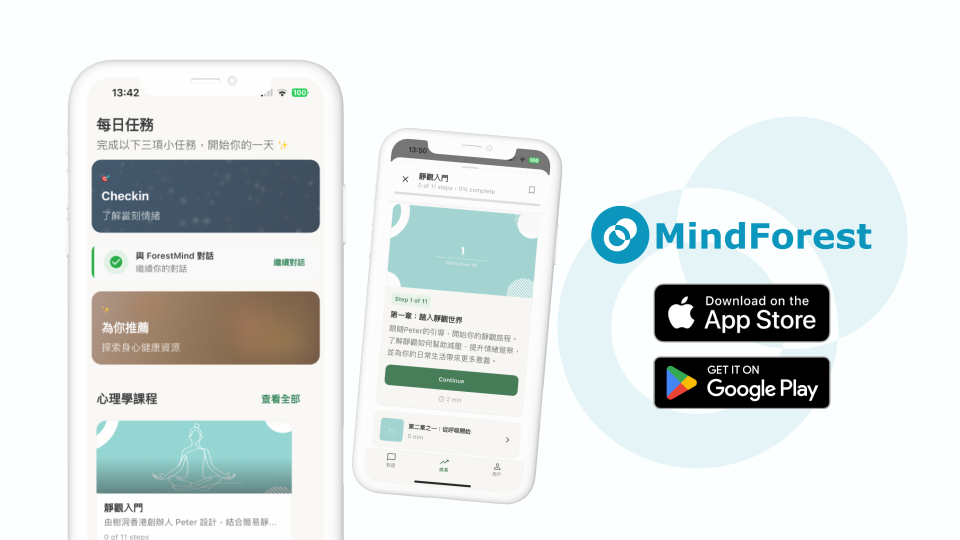
A psychology-based AI coach — like a trusted friend along the way, offering personalised support and advice. Slow travel living isn't only a move across geography; it's an inner exploration, and you don't have to walk this road alone.

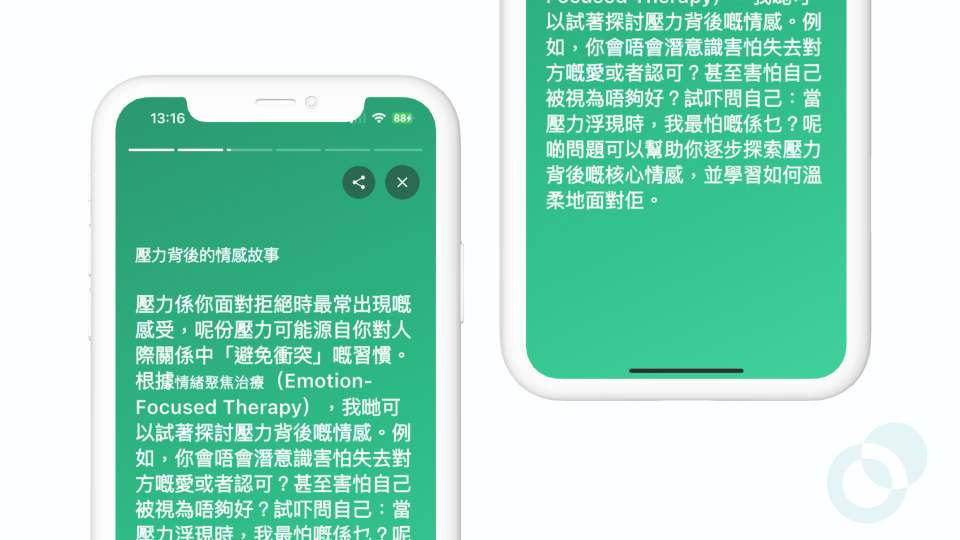
With every move, in every stay, record your thoughts and feelings. The Insight Journal is more than a diary of your life — it's a deep conversation with yourself that helps you reflect on the self you meet along the way.
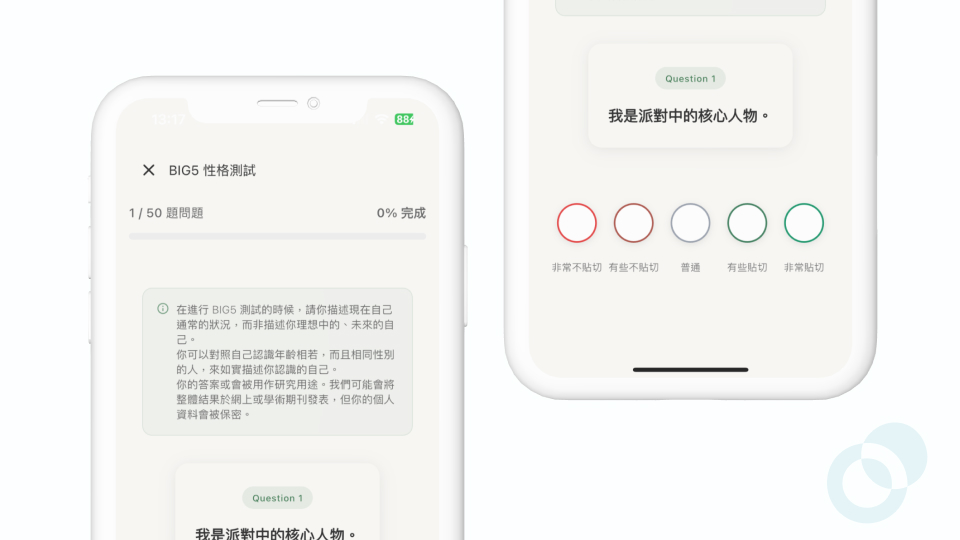
Through psychological assessments, you can understand your personality and needs more clearly, and so find the style of slow travel living that suits you best. Knowing yourself is the key to making "slow travel living" no longer mere drifting, but a life lived with ease.
Open up the slow travel life that belongs to you — wherever you are, MindForest will be your psychological companion, helping you find stability and belonging in every corner of the world.
References
Bandura, A. (1997). Self-efficacy: The exercise of control. New York: Freeman.
Baumeister, R. F., & Leary, M. R. (1995). The need to belong: Desire for interpersonal attachments as a fundamental human motivation. Psychological Bulletin, 117(3), 497–529.
Earley, P. C., & Ang, S. (2003). Cultural intelligence: Individual interactions across cultures. Stanford University Press.
Furnham, A., & Marks, J. (2013). Tolerance of ambiguity: A review of the recent literature. Psychology, 4(9), 717–728.
McCrae, R. R., & Costa, P. T. (1997). Personality trait structure as a human universal. American Psychologist, 52(5), 509–516.
Ward, C., Bochner, S., & Furnham, A. (2001). The psychology of culture shock (2nd ed.). Routledge.


Comments
No comments yet — share your thoughts.