Why Lost Sleep Can't Be Repaid
Pulling an all-nighter feels like a rite of passage at university, and many students assume a good lie-in the next day will pay back the lost sleep. The science tells a different story — especially a…


Pulling an all-nighter feels like a rite of passage at university, and many students assume a good lie-in the next day will pay back the lost sleep. The science tells a different story — especially a…
Pulling all-nighters to "rush a paper", prepare a group presentation, cram for exams — or simply to eat, drink and have fun — is a fair portrait of student life today. Many people treat the late night as the privilege of youth, comforting themselves with myths like "I'll catch up with a good sleep tomorrow" or "I'm young, what's one little all-nighter?" There's no doubt that staying up late or "burning the midnight oil" leaves you exhausted the next day, and the drop in concentration disrupts ordinary daytime learning. But worse still, a lack of sleep also undermines how well you retain what you learned that day, and over the longer term it can affect memory and learning efficiency. In this piece I want to take a brief look at the psychology literature and research on sleep, to deepen the public's understanding of what sleep does for us, and to clear up a few common misconceptions.
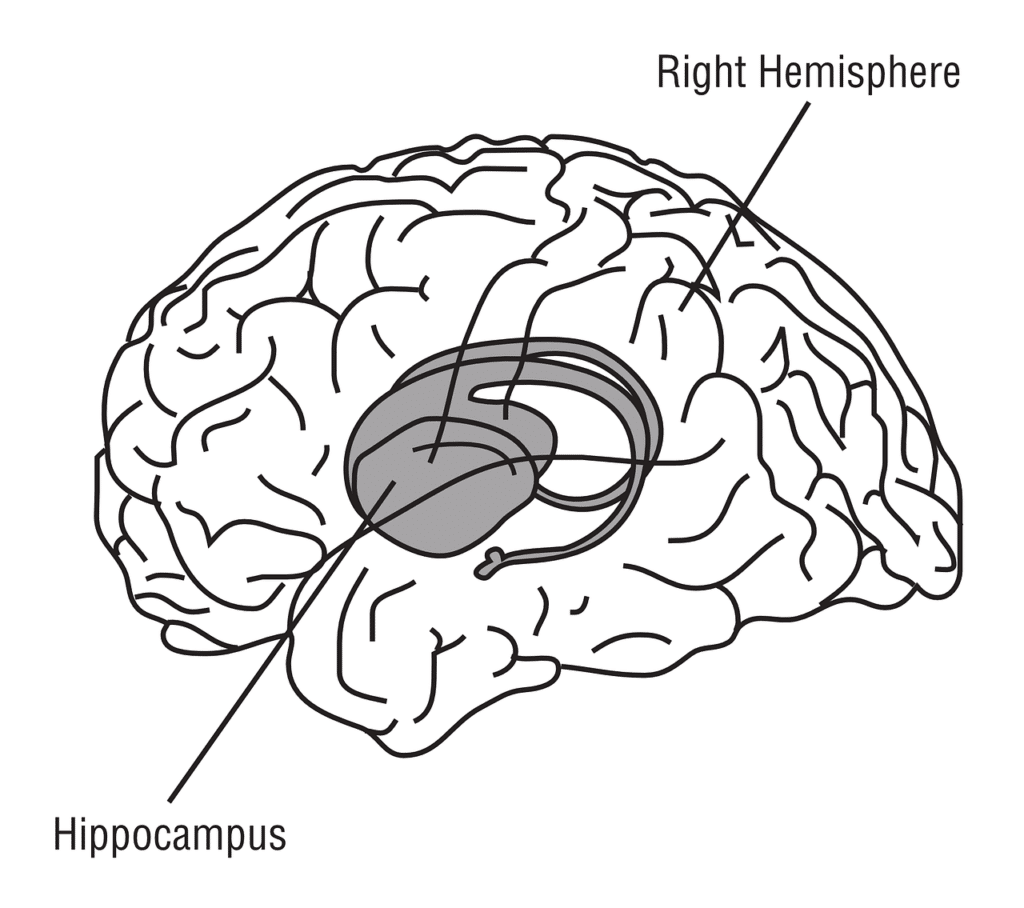
Any discussion of memory and learning is bound to bring up the hippocampus, a structure in the brain that is intimately tied to learning and memory. Some people assume that during sleep the brain's functions come to a near-complete halt, and that only the autonomic nervous system keeps our heart beating and sustains breathing, blood pressure, digestion and metabolism. Not so! In fact the human brain keeps working to some degree during sleep. The brain cells in the hippocampal regions actually become more active at this time: during deep sleep stage or rapid eye-movement stage they "replay" scenes of the knowledge learned during the day. Put simply, while you sleep your hippocampus runs through what you learned in the daytime one more time! (Note: the rapid eye-movement stage is one of the phases of the human sleep cycle, occurring about every two hours during a normal cycle; its distinctive feature is that more than 80% of our dreams happen at this stage!)

The different regions of the brain are linked through neurons in order to pass information to one another. During the day, as we learn, our neurons form a criss-crossing information network (neuronal network) to store knowledge. During sleep, this intricately interwoven web of neurons is reorganised: the connections between them are greatly reduced, "freeing up" more neurons to reconnect in fresh ways for the next day's learning. In the film Inside Out (Inside Out), while the heroine Riley sleeps, the brain's "night-shift cleaners" clear away the redundant, trivial memories of the day, leaving the brain with more room to learn new things the next day… It's not a bad metaphor at all! The trouble is, once we cut our sleep short, the brain loses this golden window for "rewiring", so by the next morning the neuronal network is still tight and "saturated", the cleaners haven't had enough time to tidy up, and our learning suffers as a result.
When people meet danger, the adrenal cortex secretes the stress hormone cortisol, an internal alarm system that prompts the body to muster more energy to deal with an external threat. But as is well known, staying in a tense, alarmed state for long stretches is bound to have negative effects on the body. A large body of literature has confirmed that a lack of adequate sleep raises cortisol levels. When the body maintains high cortisol over the long term, the cells of the brain's hippocampus and prefrontal cortex (the regions responsible for human thinking, calculation and self-control) are damaged by cortisol, or their capacity to regenerate brain cells (neurogenesis) slows — which in turn affects our ability to think and learn.
A word of advice, everyone – get some sleep!
I absolutely do not accept that youth is licence to mortgage your sleep and sacrifice your health for it. The harm caused by a lack of sleep simply cannot be repaid by "catch-up sleep". So let me take this chance to say one thing to all of you: "Off to bed with you!"
References:
Krause, A. J., Simon, E. B., Mander, B. A., Greer, S. M., Saletin, J. M., Goldstein-Piekarski, A. N., & Walker, M. P. (2017). The sleep-deprived human brain. Nature Reviews Neuroscience, 18(7), 404.
Kreutzmann, J. C., Havekes, R., Abel, T., & Meerlo, P. (2015). Sleep deprivation and hippocampal vulnerability: changes in neuronal plasticity, neurogenesis and cognitive function. Neuroscience, 309, 173-190.
Mueller, A. D., Pollock, M. S., Lieblich, S. E., Epp, J. R., Galea, L. A., & Mistlberger, R. E. (2008). Sleep deprivation can inhibit adult hippocampal neurogenesis independent of adrenal stress hormones. American Journal of Physiology-Regulatory, Integrative and Comparative Physiology, 294(5), R1693-R1703.
Ólafsdóttir, H. F., Bush, D., & Barry, C. (2018). The role of hippocampal replay in memory and planning. Current Biology, 28(1), R37-R50.
“Sleep Shrinks the Brain” in SA Mind 28, 3, 17 (May 2017) doi:10.1038/scientificamericanmind0517-17a




Comments
No comments yet — share your thoughts.