


In a relationship, we often put our partner's needs first — giving generously, accommodating, even people-pleasing, all in the hope of earning love and acceptance. Yet this kind of over-giving tends to drain us emotionally and to chip away at our self-esteem and mental health. A truly healthy relationship, in fact, begins with self-love. Self-love is not selfishness; it is the capacity to respect yourself and to protect your own sense of worth, so that even as you love another person, you can also love yourself (Gillette, 2024; Neff, 2003).
? What does self-love look like in a relationship?
Self-love in a relationship means that even in the midst of intimate connection, you can still hold on to self-respect, self-understanding and self-compassion. It is not the occasional bout of self-care, but a long-term way of living. Within a relationship you can find the courage to say, "I need some time to rest," while also expressing your own feelings and needs (Martin, 2023).
The five core components of self-love ✨ (Gillette, 2024)
1) Self-cherishing: affirming your own worth.
2) Self-acceptance: embracing your strengths and flaws, and easing up on self-criticism.
3) Self-restraint: not sacrificing yourself excessively.
4) Self-responsibility: taking ownership of your choices and actions.
5) Self-persistence: continuing to nurture your mental health and growth.
? A small reflection: do you neglect your own needs because you are afraid of losing your partner?
⚖️ Over-giving and people-pleasing: the hidden psychological burden
In intimate relationships, many people unconsciously place their partner's needs ahead of their own, and may even form the inner belief that "if I don't please my partner, I'm not worthy of being loved." Over time, this pattern of over-giving and people-pleasing can take a deep toll on mental health.
A drop in self-worth
When you constantly measure yourself by other people's approval, your sense of self-worth gradually weakens (Germer & Neff, 2013). You may begin to doubt whether you matter at all — a state of mind that makes it impossible to genuinely enjoy the give-and-take of a relationship, because every act of giving is rooted in the "fear of loss."
Pent-up emotions and resentment
Every time you suppress your own needs to accommodate your partner, you suppress an inner feeling. These overlooked emotions slowly build up and form a latent psychological burden (Martin, 2023). Over the long run, this can show up as irritability, anxiety, and even an inability to fully trust your partner.
A relationship out of balance
Over-giving can push a relationship into a one-way pattern, where love becomes one person's responsibility rather than a mutually nourishing exchange. When one person is always giving and the other is mainly receiving, intimacy gradually drains away. A healthy relationship is not about tallying up who has given more, but about both people balancing giving and receiving within an atmosphere of respect and understanding.
? A gentle reminder: before you love someone else, learn to love yourself first. Self-love is not selfishness — it is what keeps you psychologically whole within a relationship, so that you can love your partner more freely and more sincerely.
? Self-love and self-respect: the foundation of a healthy relationship
Self-love and self-respect are the cornerstones of any lasting, healthy relationship. When you have a clear sense of who you are, and you know how to respect and protect your own needs, you can stay psychologically whole in your interactions — rather than sacrificing yourself out of fear or dependency.
Setting boundaries
Boundaries are the most direct expression of self-love. They do not mean coldness; they are a form of respect for both yourself and your partner. Finding the courage to say "no" does not harm your partner — it is the energy that protects you. Research shows that people with a strong sense of boundaries are better able to balance giving and receiving in their relationships, reducing their psychological burden (Orth & Robins, 2014).
Expressing your real needs
Many people are afraid to voice their inner needs, worrying it will spark conflict or cause them to lose their partner. In reality, clearly expressing your thoughts and feelings builds mutual trust and makes a relationship more secure. This is a healthy act of self-love, because it tells you: my needs matter just as much.
Respecting your own needs
Respecting your own needs means you will not blindly sacrifice yourself to please your partner. It asks us to take our own mental health seriously, rather than endlessly bending to others' expectations. Love, then, is not a drain but a force of mutual nourishment.
? A small reflection: in your relationship, do you feel genuinely respected? Are you able to express your needs clearly, instead of quietly going along with everything?
?️ 5 ways to practise self-love within a relationship
Practising self-love in a relationship is not the occasional act of self-care, but a lasting attitude and life habit. It not only helps you stay mentally healthy, but also makes your relationship steadier and your interactions more sincere. The following six methods can serve as a practical guide:
1) Cultivate self-compassion ?
Self-compassion is the core skill of self-love. When we hit a setback, feel inadequate, or make a mistake, it is all too easy to criticise or blame ourselves. Yet psychological research suggests that treating yourself gently — offering yourself the support and understanding you would give a close friend — can significantly ease anxiety, low mood and stress (Neff, 2003; Positive Psychology, 2023).
Practical ways to do this include: soothing yourself with positive language, allowing yourself to be imperfect, and offering yourself emotional company in difficult moments. This inner gentleness will naturally extend into greater understanding and patience towards others.
2) Reflect on your needs and your personal boundaries ?
Self-love begins with clearly understanding your own needs. Spend a few minutes each day asking yourself: "What do I really want in this relationship?" and "Which behaviours make me feel happy, and which leave me feeling stressed?"
This kind of reflection not only helps you become aware of your personal boundaries, but also keeps you from over-giving in a relationship without realising it. Psychologists note that boundary awareness and the capacity for self-observation are an important foundation for sustaining healthy interactions (Martin, 2023).
3) Skills for healthy communication and saying no ?️
Expressing your needs and saying no is not easy, especially when we fear the emotional fallout that conflict or rejection might bring. Even so, communicating in a way that is both gentle and firm helps your partner understand where you stand, while protecting your own psychological space.
Practical suggestions include: being honest about how you feel — for example, "I need some time to rest" — rather than blaming your partner. This kind of healthy communication not only protects you, but also fosters mutual respect and trust (Martin, 2023).
4) Self-care and positive self-talk ?
Self-care is a daily habit that spans both the psychological and the physical. Regular exercise, enough sleep, meditation or learning a new skill can all strengthen psychological resilience and well-being (Gillette, 2024).
At the same time, positive self-talk can help you rebuild your self-perception and quieten your inner critic — for instance, telling yourself "I have already done my best" or "I deserve to be understood and loved." This kind of self-affirmation will help you feel more at ease in your relationship and rely less on dependency and people-pleasing.
5) Accept your own imperfections ?
Everyone has strengths and flaws, and learning to embrace your own imperfections is an important expression of self-love. Don't measure yourself by external standards, and don't set unreasonable expectations for yourself.
Psychological research suggests that self-acceptance can lower anxiety and self-criticism, strengthen psychological resilience, and improve relationships (Neff, 2003). Quietly celebrating your small wins, even when no one else sees them, is one more way of affirming your own worth.
? A gentle reminder: self-love is not just about feeling good — it is a kind of life wisdom that helps you stay whole within a relationship and build connections rooted in mutual respect and support.
? In closing: you can love yourself even within love
True love has never meant losing yourself; it means learning to love yourself before you love anyone else ?. When you learn to treat yourself gently, you will discover that:
- you no longer feel worn out by people-pleasing, but interact with others from a place of ease
- you no longer sacrifice yourself out of a fear of loss, but build relationships rooted in mutual respect
- you can genuinely celebrate your own achievements, and also appreciate your partner's strengths
Self-love is not selfishness; it is the strength of the heart that keeps you whole within an intimate relationship and lets love flow more freely and warmly between you and your partner ?.
May every reader find their own place within love, and say to themselves: "I deserve to be loved, and I love myself too."
Explore the MindForest App: cultivate self-love together and live more freely as yourself
Through the MindForest App, you can learn to treat yourself better in daily life, practise self-awareness, and learn to care for your emotions and needs — so that a relationship is no longer only about giving, but is built on health, respect and balance.

?ForestMind AI: your considerate self-love coach
When you feel stressed or uneasy, ForestMind AI draws on your mood and your interaction patterns to offer gentle reminders and suggestions, helping you practise listening to your inner voice and cultivate self-compassion.

?Insight Journal: know yourself and embrace imperfection
Write down your feelings and moments of mood each day, reflect on your needs and boundaries, slowly learn to appreciate yourself, and put self-love into practice in everyday life.

?Psychological Assessment: discover your inner strength
Through psychological assessment, you can understand your personality and needs more clearly, find a way of self-care that suits you, and bring more strength and ease into your life.
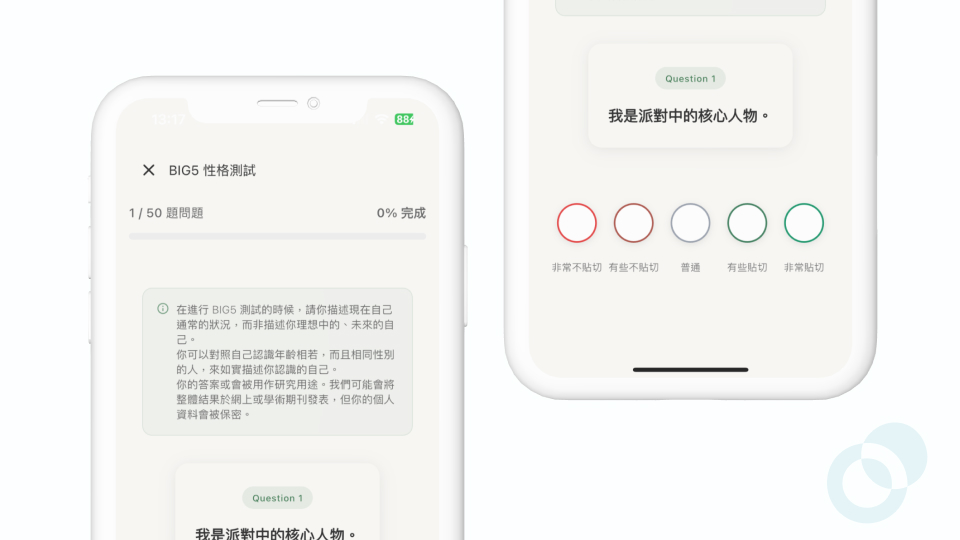
Download MindForest now and practise self-love with us: learn to treat yourself well, and build truer, healthier connections in your relationships too.
References
- Germer, C. K., & Neff, K. D. (2013). Self-compassion in clinical practice. Journal of Clinical Psychology, 69(8), 856–867. https://doi.org/10.1002/jclp.22021
- Martin, S. (2023). The power of self-love. Psychology Today. https://www.psychologytoday.com/ca/blog/conquering-codependency/202306/the-power-of-self-love
- Neff, K. D. (2003). The development and validation of a scale to measure self-compassion. Self and Identity, 2(3), 223–250. https://doi.org/10.1080/15298860309027
- Orth, U., & Robins, R. W. (2014). The development of self-esteem. Current Directions in Psychological Science, 23(5), 381–387. https://doi.org/10.1177/0963721414547414
- Positive Psychology. (2023). Self-compassion & self-love: How to cultivate a healthy relationship with yourself. https://positivepsychology.com/self-compassion-self-love/
- Gillette, H. (2024, September 27). What is self-love and why is it so important. Psych Central. https://psychcentral.com/health/what-is-self-love-and-why-is-it-so-important#importance



Comments
No comments yet — share your thoughts.