Meeting the Inner Child You Left Behind
As we grow up, we learn to be rational, self-controlled and strong — yet we often forget that an inner child still lives within us. Healing that child is not mysticism, but a deep form of psychologic…

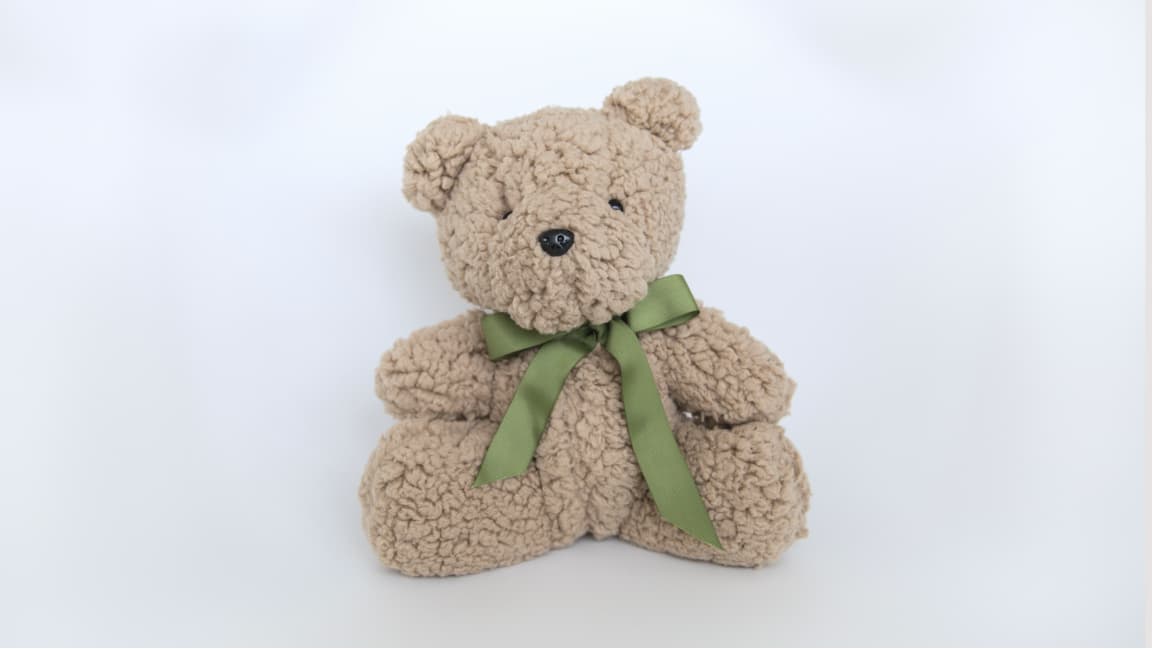

As we grow up, we learn to be rational, self-controlled and strong — yet we often forget that an inner child still lives within us. Healing that child is not mysticism, but a deep form of psychologic…
As we grow up, we learn to be rational, self-controlled and strong — yet we often forget that, deep down, an inner child still lives within us. That child may once have been overlooked, misunderstood, forced to grow up too soon. To "heal the inner child" is not mysticism; it is a deep form of psychological repair and self-awareness.
Beneath our grown-up appearance and reason, a sensitive, sincere child is still hiding. That child perhaps learned to suppress emotions the moment they were ignored, and decided to stop expressing themselves the moment they were blamed.
The psychologist John Bradshaw (1992) noted that the "inner child" represents the emotions we suppressed early in life and the psychological needs that were never met. This part of us does not disappear as we age; instead, it shapes our behaviour, our relationships and our emotional reactions in more subtle ways.
When you feel an unconscious anxiety in a relationship, a fear of being rejected, or the sense of being abandoned the moment someone doesn't reply to a message, these reactions are often not the product of rational thought, but the cry of that once-lonely child who longed to be understood: "Do you still remember me?"
Although the concept of the inner child has been widely discussed in recent times, its theoretical foundations can in fact be traced back to early psychology.
Freud (Freud, 1923), in his theory of the structure of personality, described the "id", the part that represents humanity's most primal, most authentic desires and feelings — the source of our emotions and impulses. When society and family suppress these impulses, a child learns to pretend and to hold back; but this also means that part of the authentic self is forced into hiding.
Jung (Jung, 1964), for his part, proposed the "child archetype" (child archetype), symbolising innocence, creativity and the latent potential for self-renewal. He believed that healing the inner child is not only about returning to the past, but about reawakening that innocence and creativity, so that we can face the world as a more complete version of ourselves.
The British psychoanalyst Donald Winnicott (Donald Winnicott, 1960) went a step further, noting that the formation of the "true self" (true self) depends on whether early caregivers are able to accept a child's emotions. When a child is allowed to express their tears and is picked up and comforted, they gradually learn to trust the world; conversely, if their emotions are ignored or criticised, the child develops a "false self" (false self), suppressing their authentic feelings in order to be loved.
Many of the contradictions of the adult world are, in truth, the inner child's script being replayed.
The psychologist Eric Berne (Eric Berne, 1961) noted in his theory of "Transactional Analysis" (Transactional Analysis) that within us exist three states: Parent, Adult and Child. When we feel wronged, anxious, or overly eager to please the other person in a relationship, it is often the "Child state" that has been triggered.
A few examples:
So whenever you find yourself running into the same emotional bind in a relationship again and again, it's worth asking yourself: "Does this feeling resemble the way I felt as a child?"
That single question is often where healing begins.
Healing is not about suppressing pain, but about learning to face it again with understanding. Below are a few inner-child exercises commonly used in psychology to help you rebuild a sense of emotional safety:
Close your eyes and imagine your childhood self sitting in front of you. Observe his (or her) expression, posture and gaze. You might say softly: "I see you now, and the grown-up me will protect you." This kind of symbolic dialogue allows emotions held in the subconscious to be answered and integrated.
Write a letter to your younger self, expressing understanding and support. Writing down lines such as "I know it was hard for you back then, but you are no longer alone" allows emotional memories to be reinterpreted and soothed.
Winnicott noted that a safe psychological environment is the foundation of human growth. For an adult, setting healthy boundaries (for example, declining relationships that are excessively draining) is precisely a way of building a sense of safety for the inner child.
The inner child is closely linked to creativity. Through painting, music, dance, even play, you can reconnect with that pure "I just want to have fun" part of yourself. Research suggests that such activities can strengthen emotional regulation and self-compassion (Germer et al., 2013).
Healing the inner child is not about "fixing" yourself, but about loving yourself anew.
We cannot change the past, but we can embrace our past selves with a new attitude. When you allow yourself to be vulnerable, allow yourself to be imperfect, you are slowly opening up a space to let your heart unfold.
The psychologist Carl Rogers (Carl Rogers, 1961) once said: "When I accept myself sincerely as I am, then I can change."
True growth is not about wiping out the wounds of the past, but about understanding them, and being grateful that they taught us to become who we are today.
Sometimes, the deepest healing comes not from an embrace from the outside world, but from the moment you finally learn to say to yourself: "I'm willing to stay and keep you company."
Healing the inner child is not about fixing yourself, but about learning anew to listen gently and to keep company.
Through the MindForest App, you can gradually come to see that child who longs to be understood, and let them be loved again.

1️⃣ The awareness stage — gentle conversations with ForestMind AI
When your emotions are stirred, the AI guides you to see the psychological needs behind them, helping you say to yourself: "I'm here, it's okay now."

2️⃣ The healing stage — the Insight Journal helps you write toward safety
Daily writing and reflection let suppressed feelings resurface, rebuilding self-understanding and a secure psychological base.

3️⃣ The growth stage — psychological assessments help you see your strengths
Understand your attachment patterns and personality tendencies, and learn to face your emotions and relationships in a mature, gentle way.

? Download the MindForest App now, and begin your inner-child healing journey.
☁️ You can also try the web version.
References
Berne, E. (1961). Transactional analysis in psychotherapy: A systematic individual and social psychiatry. Grove Press. https://doi.org/10.1037/11495-000
Bradshaw, J. (1992). Homecoming: Reclaiming and Championing Your Inner Child. Bantam Books.
Freud, S. (1923). The Ego and the Id. SE, 19: 12–66.
Jung, C. G. (1964). Man and His Symbols. Doubleday.
Winnicott, D. W. (1960). Ego Distortion in Terms of True and False Self. In The Maturational Processes and the Facilitating Environment.
Germer, C. K., Neff, K. D., & Roemer, L. (2013). A pilot study and randomized controlled trial of the Mindful Self-Compassion program. Journal of Clinical Psychology, 69(1), 28–44.
Rogers, C. R. (1961). On Becoming a Person: A Therapist’s View of Psychotherapy. Houghton Mifflin.



Comments
No comments yet — share your thoughts.