The Lonely Psychology of the Incel
What does it really mean to be an "incel"? Beyond the internet meme lies a complex psychological reality — about self-worth, gender identity, social pressure and the quiet anxieties of modern men in …



What does it really mean to be an "incel"? Beyond the internet meme lies a complex psychological reality — about self-worth, gender identity, social pressure and the quiet anxieties of modern men in …
What is an "incel"? From internet meme to a real psychological phenomenon
On social media and online forums, "incel" is often thrown around as a self-deprecating label:
"I look like the monster in a cave — who could ever love me?"
"A good-looking guy just says 'hey' and lands a girlfriend; the moment I open my mouth, I'm treated as a creep."
These lines may sound like jokes, but they are in fact everyday snapshots of the incel (involuntary celibate) experience. These men have not chosen to be single — they are people for whom "the longing for intimacy keeps ending in failure". As the online culture has spread, this mindset has even hardened into a kind of "identity": they use the word "incel" to describe themselves, as if they had already resigned themselves to being "unlovable".
This is not merely romantic frustration; it is a complex psychological phenomenon — one that touches on self-worth, gender identity, social pressure and emotional needs, and that reflects the deep-seated anxiety modern men feel within relationships.
Not every single man is an incel, but research has found that the following psychological traits are common across the incel community (Sparks et al., 2022):
They are deeply convinced that "looks determine everything", believing they are doomed to fail because they are not handsome enough, not tall enough, not rich enough. This "lookism" leads them to keep internalising the belief that "I don't deserve to be loved".
As feelings of inferiority accumulate, some incels begin to shift the blame outward: blaming women for being too materialistic, resenting social norms as unfair, even mocking "high-value men". This resentment is a reaction to a sense of powerlessness.
Many incels are not only frustrated in romance but also feel out of place in social interactions. The fear of being rejected again leads them to shut themselves away, which only deepens their sense of isolation.
"It's not like anyone ever loved me anyway." On the surface this is self-mockery; underneath, it is a defence mechanism. By rejecting themselves first, they can lessen the pain that comes with rejection from others.
Incels often compare themselves with the "successful", and through that comparison they keep intensifying their sense of powerlessness. This cycle makes it harder and harder for them to believe that "I, too, deserve to be loved".
To understand the incel phenomenon, we cannot look only at the surface "blackpill culture" — we need to go deeper into their inner world:
When self-esteem is built on appearance, income or romantic success, any setback can turn into proof that "I'm not good enough". This low self-esteem makes it ever harder for them to believe they have any worth (Sparks et al., 2023).
Many incels have an attachment style that leans "anxious" or "avoidant" (Fontanesi et al., 2024) — they crave love yet are afraid of being hurt. This contradiction leaves them advancing and retreating, unsure of where they stand within emotional relationships.
Society's expectations of men are often "success, dominance and being admired". When reality falls too far short of these standards, they not only feel shame but may also fall into self-hatred.
Incel culture is not an individual problem but a product of the times. Digital media has inflated the standards of "ideal romance", making it easier for "ordinary people" to feel unwanted. At the same time, the fragmentation and isolation of modern relationships make it even harder for men to forge deep connections.
For many incels, "incel" is not just a label but a kind of self-defensive refuge: here, at last, they can be understood and can say the words "I am not loved". Yet if this shared resonance is never broken open, it can evolve into even deeper powerlessness and anger.
Change has never been easy, but the "incel identity" is not destiny. The following strategies can help you rebuild your sense of self-worth:
Practise questioning those inner voices of "I'm not worthy" and "I'm not good enough", and try to talk to yourself in more objective, kinder language.
Try joining an interest group, volunteering or attending in-person gatherings, practising self-expression and interaction to gradually rebuild your interpersonal confidence.
Love does not exist only between partners. Steady friendships and a sense of belonging to a community can give us security and a feeling of worth.
True worth does not come from dominance or attractiveness, but from personal growth, emotional maturity and kindness towards others.
If powerlessness, loneliness or feelings of hatred have begun to affect your life, psychotherapy can help you understand yourself and your relational patterns anew.
Behind the word "incel" lies, in truth, the human longing for intimacy, recognition and worth. This pain is not beyond help; it is a journey of the heart that can be healed.
When you are willing to set aside self-criticism, begin to accept your own imperfections and find the courage to take one step towards connecting with others, the "incel" label is no longer a shackle but a starting point on the road to growth. Because — no one is born undeserving of love.
The incel phenomenon reminds us that loneliness, failure and the longing for love often conceal deeper psychological needs. MindForest is a digital space built for you, accompanying you as you rediscover your ability to connect with others.
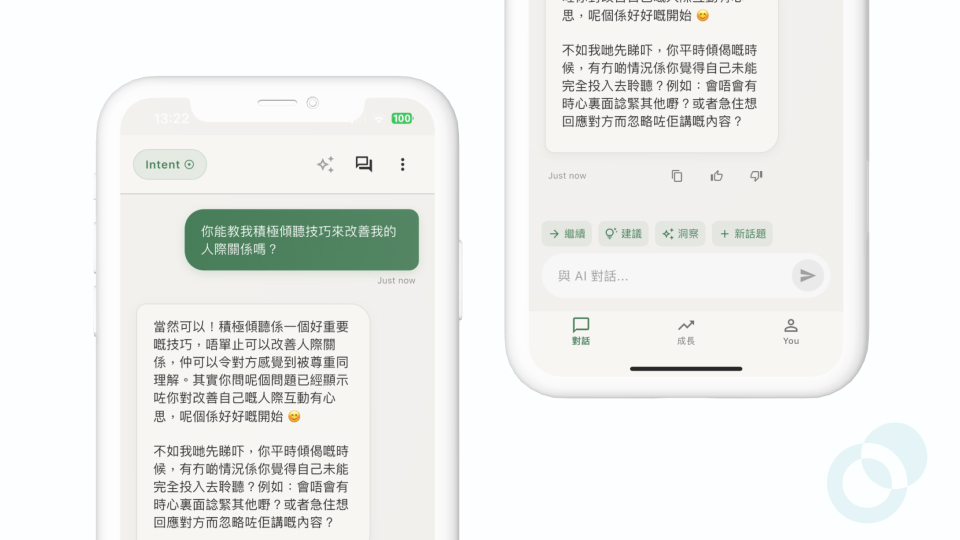
An AI coach grounded in psychology, helping you see the truth behind the "incel mindset": why do you feel let down by love? And how can you build a healthier sense of self-identity and human connection?
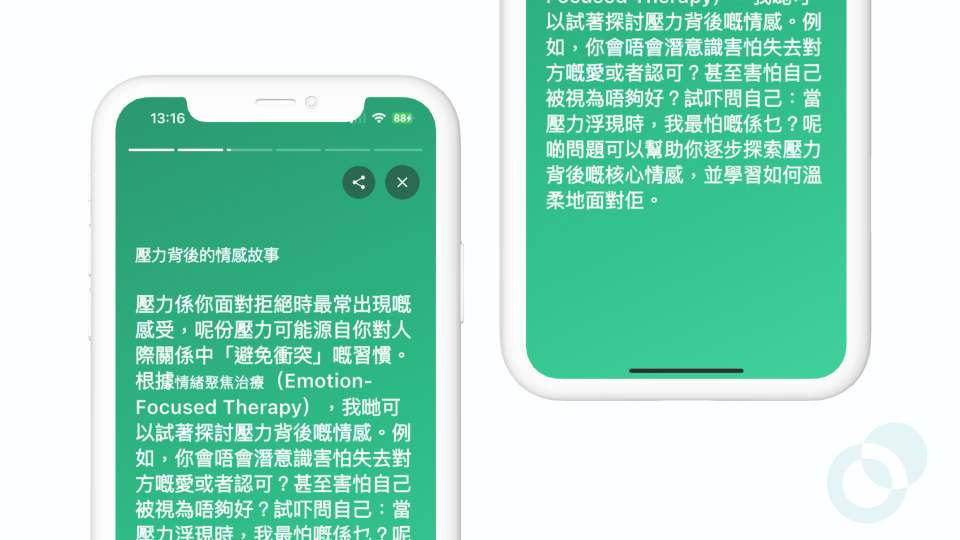
Loneliness is not a fault; it is a starting point on the way to understanding yourself. The Insight Journal helps you record and reflect on your emotional fluctuations, your beliefs about love and your self-talk, and through that, reclaim the confidence that "I deserve to be happy".
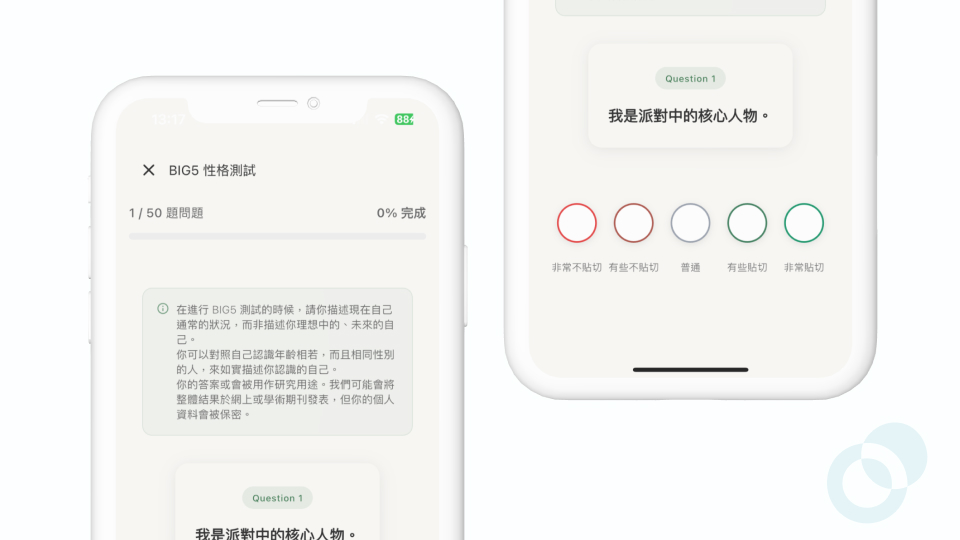
Through psychological assessment, you can come to recognise your personality and values more clearly. This is a crucial step out of the incel (Incel) way of thinking — once you understand your own emotional needs, you can learn to love, and be loved, in a healthier way.
Don't let "incel" become how you define yourself. Let MindForest walk with you as you unpack loneliness, rebuild your worth and set out on the journey of reconnecting with the world.
References
Fontanesi, L., Marchetti, D., Cosi, G., Limoncin, E., Jannini, E. A., Verrocchio, M. C., & Ciocca, G. (2024). What Does It Take to Make an Incel: The Role of Paranoid Thinking, Depression, Anxiety, and Attachment Patterns. Depression and anxiety, 2024, 5512878. https://doi.org/10.1155/2024/5512878
Sparks, B., Zidenberg, A. M., & Olver, M. E. (2022). Involuntary Celibacy: A Review of Incel Ideology and Experiences with Dating, Rejection, and Associated Mental Health and Emotional Sequelae. Current psychiatry reports, 24(12), 731–740. https://doi.org/10.1007/s11920-022-01382-9
Sparks, B., Zidenberg, A. M., & Olver, M. E. (2023). One is the loneliest number: Involuntary celibacy (incel), mental health, and loneliness. Current psychology (New Brunswick, N.J.), 1–15. Advance online publication. https://doi.org/10.1007/s12144-023-04275-z



Comments
No comments yet — share your thoughts.