When Empathy Picks Sides
We are all Hong Kongers, yet the same scene of violence can move some to tears and others to laughter. That gap may reveal something uncomfortable about the limits of empathy itself.

We are all Hong Kongers, yet the same scene of violence can move some to tears and others to laughter. That gap may reveal something uncomfortable about the limits of empathy itself.

~8 min readUpdated 16 Oct 2026
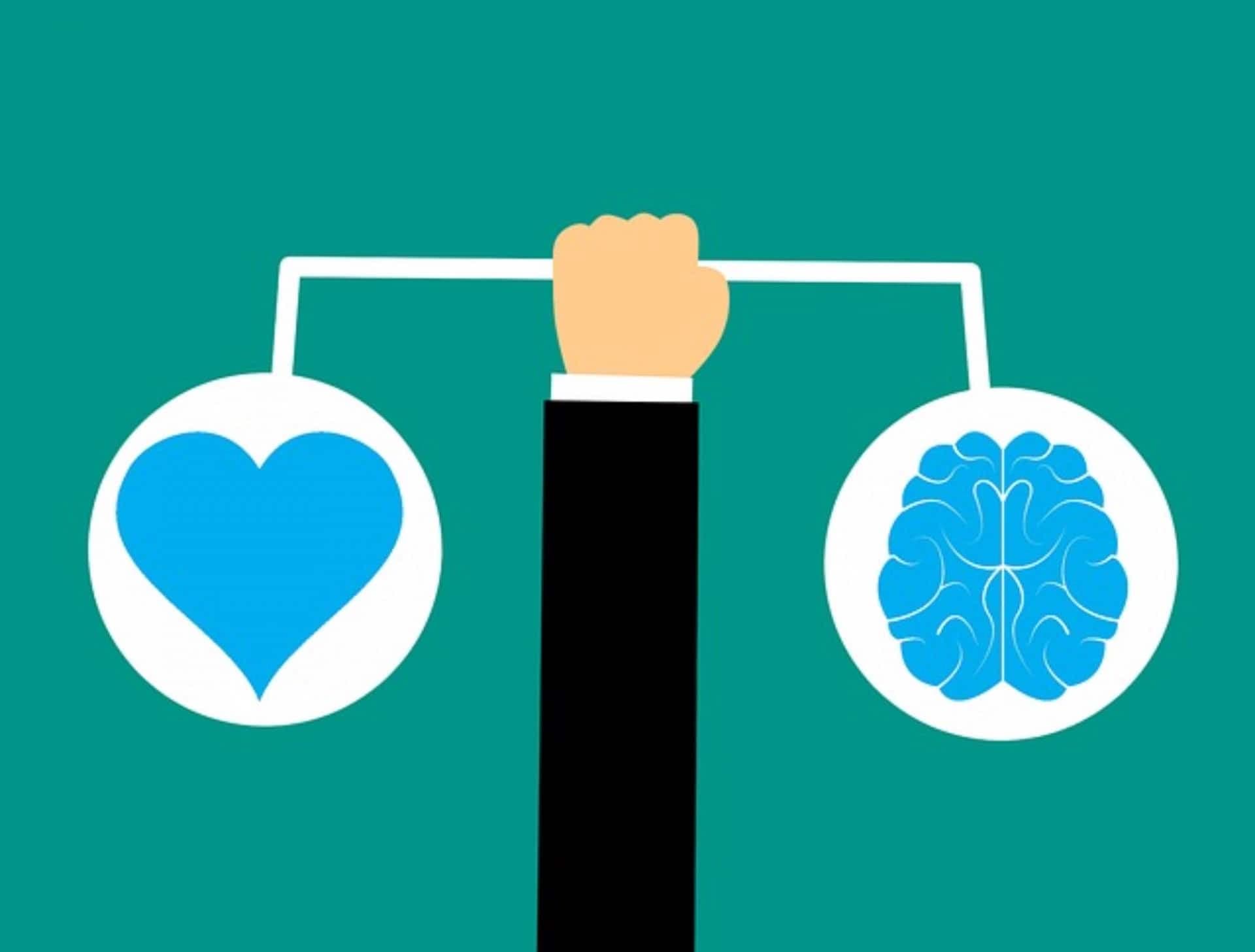
As the political turmoil over the extradition bill has unfolded, it has given rise to a number of violent incidents. On 21 July, in the Yuen Long attack, photographs flooded online showing people in black being beaten bloody by people in white. The "yellow ribbons" who saw them felt deeply pained, while many "blue ribbons" laughed out loud, saying the people in black were "asking to die". The strange thing is that we are all Hong Kongers — so why do we respond so completely differently to one and the same scene of violence? The difference may point to the limits of empathy.
Everyone has heard the word "empathy"; it is commonly defined as the innate human capacity to put ourselves in another's place and feel what they feel [1]. Each of us has more or less of it — what differs is who we feel it for.


Empathy has very wide applications, and the publicity material of recent social movements offers no shortage of examples of empathy being used to draw the public's attention. After the protests, for instance, every media outlet's feature page was fond of posting a single image or a few seconds of footage — pictures showing police surrounding and using violence against protesters in bloody scenes, or protesters striking police. The aim was plainly to make viewers feel they were there in the moment, triggering their empathy so they would back that page's political stance. Such an effective device may seem perfectly fair game in political messaging, but what are the drawbacks and the underlying problems of using this approach to stir up public emotion over the long term?
The neuroscientist Jean Decety once ran a study in which participants watched videos of AIDS patients in pain. He found that when participants watched patients they identified with or understood less — those infected through drug use, for example — the mirror-neuron response in the pain-related regions of the brain was comparatively weak. This suggests that we inevitably feel less empathy for those we disagree with and do not understand.
In addition, whether the other person belongs to the same in-group as us — that is, whether they are "one of us" — also strongly affects our capacity to express empathy towards them. A European study recruited football fans to take a test in which they received electric shocks to the back of the hand, and found that when fans watched supporters of their own team being shocked, the empathic neural response was far stronger than when the supporters belonged to a different team. The social neuroscientists Lasana Harris and Susan Fiske went further, finding that when test subjects looked at people they shunned or found distasteful — homeless people, for instance — the regions of the brain responsible for social reasoning showed a weakened response. This suggests that people do not necessarily regard those they shun and dislike as people at all.
This may explain why some "blue ribbons" show the cold-blooded reaction described at the start. It is not necessarily that these "yellow ribbons" are right in claiming they have no conscience or humanity; it may simply be that, in their minds, the protesters are people they find deeply distasteful — so even though we are all Hong Kongers, they still do not treat the protesters as one of their own, or they understand the protesters too little, and so their empathic response is weakened. Empathy is like a double-edged blade: when a person habitually lets empathy guide their every word and action, they will also be harmed by empathy's flaws.
If it were merely cold-blooded laughter, that would be one thing, but the fear is that it can trigger more serious problems. An experiment by the psychologists Anneke Buffone and Michael Poulin told test subjects there were two people, A and B, who were taking part in a competition, and that whoever won the contest would receive a cash prize. The researchers then split the subjects into two groups and told each group a different story; both stories were about A being in financial straits and badly needing the prize money. But one of the stories contained more empathy-laden wording (for example, "A is very anxious inside"). The subjects could then choose how much pain to inflict on B in order to help A win the contest. The result: the group that heard the empathy-laden story inflicted more pain on B, even though B had done absolutely nothing wrong. This more or less proves that empathy can provoke the kind of resentment that takes sides against a perceived enemy, distorting people's rational choices and even giving rise to violent behaviour. When "yellow ribbons" see clips of clashes between police and citizens, they feel for the protesters and want to help them, but they also direct boundless anger at police who treat protesters with malice. Besides their emotions being greatly affected, this may also, to some degree, increase their tendency towards violence.
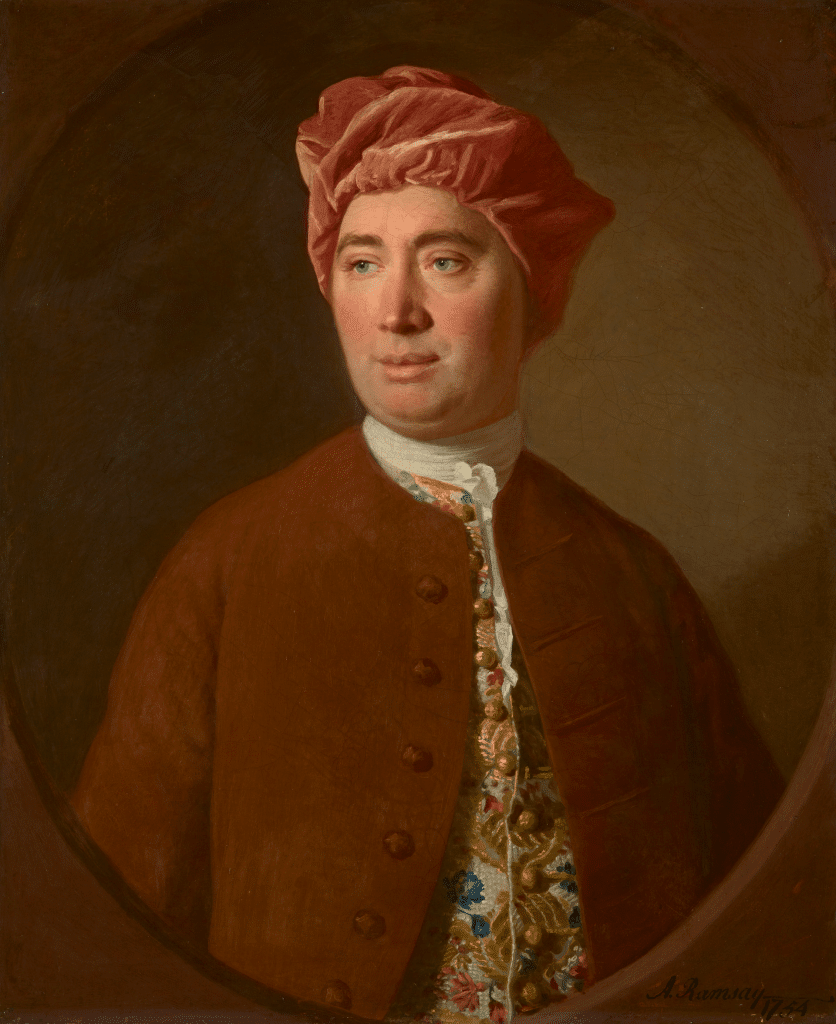
You might object that, although empathy and anger are unreliable, people are creatures of feeling — how could we possibly not be angry? Indeed. The philosopher David Hume even has a famous line: "Reason is, and ought only to be the slave of the passions, and can never pretend to any other office than to serve and obey them." (Reason is, and ought only to be the slave of the passions, and can never pretend to any other office than to serve and obey them.) Put simply, a person is like an "emotion machine" that can only decide its direction of action through emotions, or the passions. Those who claim to decide their behaviour purely through rational analysis are merely concealing the gears of feeling turning within. This means that we cannot, in fact, avoid being driven by anger, empathy or other feelings to take part in this political movement.
But reason still has an indispensable place. David Hume pointed out that, while we cannot use reason to intervene in how our emotion machine operates, reason can work with the "outputs" of that machine — feelings such as anger and heartache — combining them with analysis and rational thought so that we act in ways that serve our own goals. Applied to our situation: after the great march of one million on 9 June, the government's first response to the public was business as usual, which left many Hong Kongers angry and brought them out to the demonstration on 12 June. That the police fired on protesters that day made still more people angry and led to the march of two million on 16 June. Anger has driven this social movement throughout. We cannot, and should not, use reason to make ourselves stop being angry, but we can use reason to decide how to express our empathy and our anger, and we can also sit down with people across society who differ from us to discuss how to express ourselves through relatively consistent conduct.
So how should we discuss things with people across society who differ from us? The key to what divides us may lie in different moral intuitions. In the moral foundations theory of the social psychologist Jonathan Haidt, our moral outlook is divided into six "tastes": care, fairness, loyalty, authority, sanctity and liberty. Clearly, the "tastes" of "yellow ribbons", or of most younger people, lean more towards liberty, care and fairness. But the generally older "blue ribbons", steeped over many years and quietly shaped by the prevailing social atmosphere, tend to have more of a "taste" for loyalty and authority. Everyone's "tastes" certainly differ quite a lot, and they cannot be changed at will either. But people of different tastes can still talk more rationally, laying out all the ingredients of this "pizza" that is the extradition-bill social movement — instead of discussing only the "chilli" of violent police-citizen clashes, also picking up the goal we all share, which is to want the best for Hong Kong, the "spicy sausage", and giving it a taste. Perhaps then we will find that our "tastes" are not actually so far apart after all — it is only that we see things from different angles.
[1] Empathy has quite a few different definitions, and some of them add in perspective-taking thinking — the rational element of understanding another person's point of view. For reasons of length, this article will not discuss the other definitions for now.
Keep reading
Society & Current Affairs
Society & Current Affairs
Society & Current Affairs

Comments
No comments yet — share your thoughts.