Your Inner Critic Isn't Making You Better
That harsh inner critic isn't making you better — it's keeping your brain locked in threat mode. Compassion-Focused Therapy offers a different way back to calm.
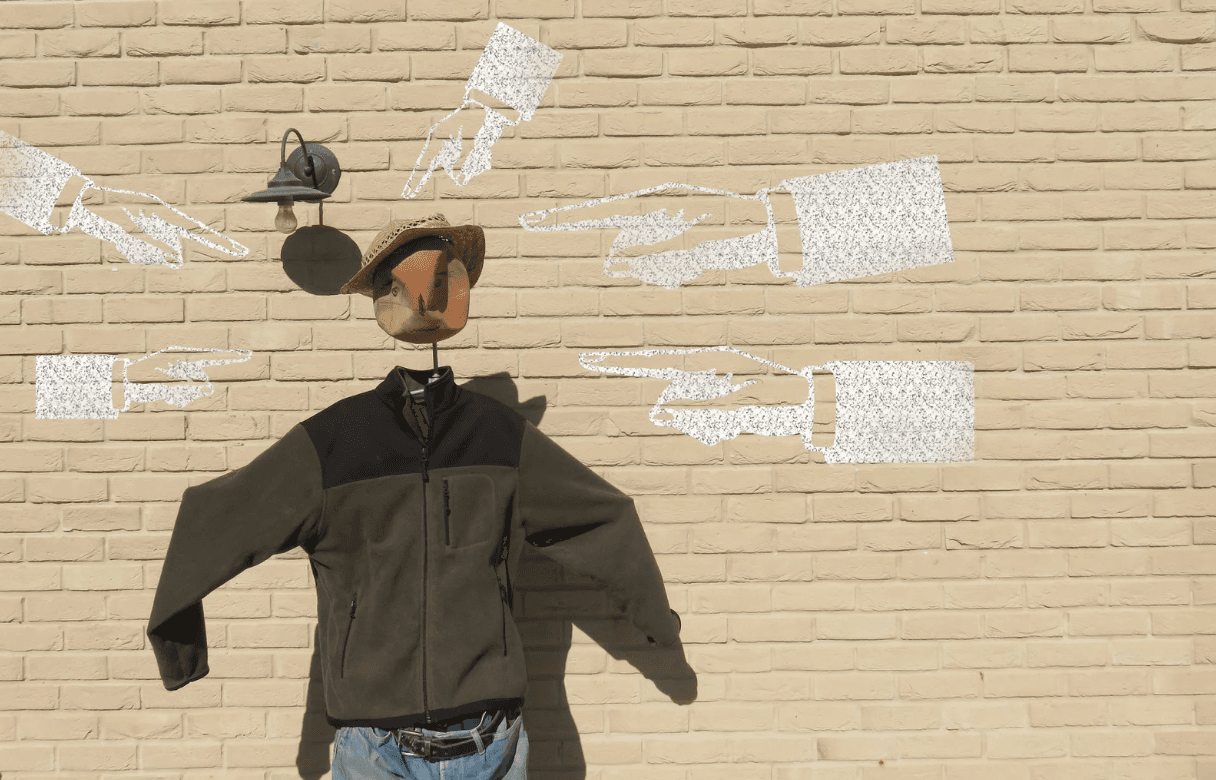
That harsh inner critic isn't making you better — it's keeping your brain locked in threat mode. Compassion-Focused Therapy offers a different way back to calm.
When you berate yourself in the mirror for being "useless", or replay a failure over and over thinking "how could I be so stupid", you are actually experiencing a kind of "by-product" of the millions of years that the human brain has spent evolving. The "three systems model" proposed by the psychologist Paul Gilbert points out that our brains come naturally equipped with three emotion-regulation systems: the threat-detection system (which protects survival), the drive system (which pursues goals), and the soothing system (which builds a sense of safety). Threat detection once existed to keep us safe, yet modern society is so complex and demanding that the system has become overactive: when you are criticised by your boss, your brain's reaction is almost identical to the surge of stress our ancestors felt when they came face to face with a sabre-toothed tiger (Gilbert, 2009).
Many people believe that being hard on themselves (self-criticism, self-blame) is what drives them to improve, but in reality, sustained self-devaluation keeps the brain in a state of high stress or threat, and our capacity for rational thinking, judgement and problem-solving actually declines (Gilbert, 2009). It is like a harsh coach who keeps screaming at an athlete: in the short term it may force out a performance, but over the long run it leads to physical and mental burnout.
"I should do better", "I'm not allowed to make mistakes" — these "should statements" are precisely the kind of distorted thinking that Cognitive Behavioural Therapy (CBT) highlights. Compassion-Focused Therapy (CFT) takes this a step further: behind self-blame there often lies a deeper emotion — shame. When you feel intensely regretful after a slip of the tongue while chatting with a colleague or friend, blaming yourself with "why do I always say the wrong thing?", what truly stirs the emotion is not the behaviour in the moment, but a fear deep inside that "I'm not interesting enough" or "I'm not likeable".
Neuroscience research shows that the brain regions activated during self-criticism (such as the anterior cingulate cortex) overlap heavily with the regions that process physical pain (Longe et al., 2010). In other words, when you sting with self-reproach, your brain really is "feeling pain". More paradoxically, the more someone strives for perfection, the more easily they fall into the cycle of "criticise → strive → criticise again" — like a person trapped in quicksand, the harder they struggle, the deeper they sink and the harder it becomes to pull themselves free.
At its heart, CFT is this: it does not set out to eliminate self-blame directly, but to help you cultivate a force that can balance it — self-compassion (self-compassion). When the voice criticising yourself surfaces, you can learn to respond to yourself with warmth and consideration, letting the force of compassion gradually take the place of excessive self-criticism. Concrete techniques include:

CFT teaches you to distinguish between "constructive reflection" and "destructive self-blame": the former is like a coach analysing the match footage, the latter like jeers from the spectator stands. The key lies in shifting your mode of language:
According to a 2024 report by the British Psychological Society, CFT helps reduce self-criticism and improve problem-solving ability (BPS, 2024). Embracing vulnerability is what true strength really is.
If you find yourself constantly worn down by the voice of your inner critic, you might consider joining our Introduction to Compassion-Focused Therapy course. This 12-hour interactive course will not only help you understand why the brain is so prone to self-attack, but also offer evidence-based techniques, for example:
Beyond taking the course, psychotherapy services can also help you understand yourself more deeply, support you through all kinds of psychological and behavioural difficulties, and ease the self-blame you carry inside.
Many people assume that being kind to themselves is just an excuse for laziness, overlooking the fact that compassion is in truth the most powerful inner resource of all. Change does not have to mean chasing perfection — start from where you are now, and let your inner dialogue be a little gentler and a little less harsh.
References:




Comments
No comments yet — share your thoughts.