When You Love the Person, Not the Gender
Pansexuality is attraction that isn't bound by the binary of gender. Here's what psychology reveals about its real traits, the common misconceptions, and how to see this kind of love more clearly.


Pansexuality is attraction that isn't bound by the binary of gender. Here's what psychology reveals about its real traits, the common misconceptions, and how to see this kind of love more clearly.
In an increasingly diverse and open society, the term "pansexuality" is steadily entering the mainstream. Some people wonder: "What's the difference between pansexuality and bisexuality?" "How do pansexual people view love and attraction?" Others are left puzzled: "If what I'm drawn to is the 'person' rather than the 'gender', does that make me pansexual?"
At its core, pansexuality is an orientation of attraction that isn't constrained by the binary framework of gender, and it carries with it a rich set of psychological mechanisms, emotional drivers and processes of self-identity. This article looks at pansexuality through a psychological lens, taking a closer look at its meaning, the psychological traits behind it, the common misconceptions, and how to see this kind of diverse love in a healthier way.
The word "pansexuality" comes from the Greek prefix "pan-", meaning "all" or "all-encompassing". A pansexual person's emotional or sexual attraction is not limited by the other person's gender or gender expression; they may be drawn to men, women, non-binary people, transgender people, or anyone across the gender spectrum (Galupo et al., 2017).
This kind of attraction does not mean a pansexual person "loves everyone" or "has no preferences at all". Rather, their standard for a romantic partner simply doesn't put gender first; it leans more towards personality, a sense of connection, shared values or a meeting of minds. To put it another way, who the other person is matters more than "what gender they are".
Many people lump "pansexuality" together with "bisexuality", yet the psychological basis of each is somewhat different. Bisexuality usually refers to being attracted to both "men and women", whereas pansexuality is attraction unaffected by gender categories (Callis, 2014).
For example:
A distinction this subtle nonetheless reflects a fundamental attitude towards "the role of gender in attraction", and it also reveals that pansexuality places greater emphasis on the deeper layers of interpersonal connection.
Pansexuality is not a "trend" or a "choice", but an internally stable pattern of attraction. Psychological research suggests that pansexual people often share the following traits:
Pansexual people usually place greater value on resonance in personality and values rather than on external conditions. Their attraction stems more from a deep psychological connection than from a socially sanctioned framework of gender (Nikki Hayfield & Karolína Křížová, 2021).
When it comes to their views on gender and relationships, pansexual people often display a higher level of psychological openness (Fořt et al., 2024), with greater acceptance and understanding of gender diversity. They also tend to question traditional norms and embrace individual difference.
Many pansexual people go through a process of self-exploration, which includes questioning existing gender categories and redefining what love and attraction mean, ultimately arriving at a more integrated, more personal outlook on love.
Although society's understanding of sexual orientation is gradually advancing, pansexuality is still often misunderstood. Here are three common myths and how psychology sets the record straight:
❌ Myth 1: Pansexuality means "loving everyone"
? The truth: Pansexuality is not the same as promiscuity or a complete absence of preference; it simply means that attraction isn't premised on gender. Pansexual people still have their own preferences and boundaries.
❌ Myth 2: Pansexuality is just an "upgraded version" of bisexuality
? The truth: The psychological mechanisms of the two differ. Bisexuality acknowledges the existence of gender while being attracted to both sexes; pansexuality downplays the significance of gender in attraction.
❌ Myth 3: Pansexuality is a label young people use to chase a trend
? The truth: Scientific research into pansexuality as a sexual orientation spans more than 20 years, with a growing body of empirical evidence supporting its stability and consistency (Galupo et al., 2017).
If you have pansexual friends or family, or you yourself are exploring your sexual orientation, the following psychological suggestions may be helpful:
Try to shift the focus from gender categories to the qualities of the person themselves and the connection you share. This can help you understand the true nature of pansexuality more authentically.
Many pansexual people may have faced questioning and experiences of being misunderstood. Creating a safe, inclusive space for dialogue allows them to feel accepted and supported.
Some people like to use "pansexual" to describe themselves, while others choose not to use any label. Respecting the way each person defines themselves is key to understanding the diversity of sexual orientation.
Pansexuality reminds us that the essence of love lies not in "which gender the other person belongs to", but in "what we see in them". In a relationship, a meeting of souls, an alignment of values and emotional depth matter far more than socially defined gender.
Whether or not you identify as pansexual, understanding the psychological mechanisms behind this orientation can help us all see the nature of love and attraction more openly, and learn to love, and be loved, with a more inclusive heart.
If you're trying to make sense of your attraction to others, unsure whether you fall under "pansexuality", or you simply want a deeper appreciation of the diversity of emotion, the MindForest App can be a gentle companion on your journey.
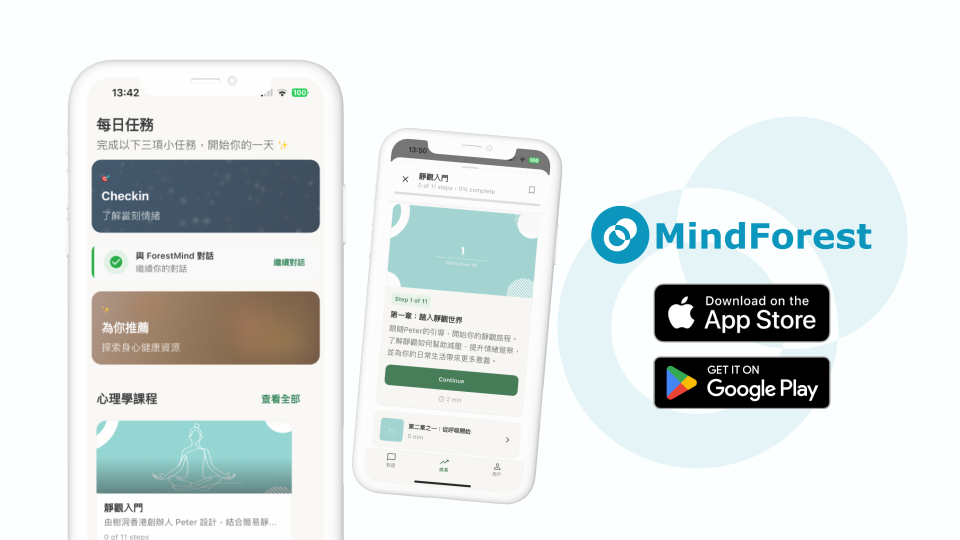
Through your daily emotion journalling and interaction analysis, ForestMind AI responds to your reactions and needs with personalised suggestions, helping you clarify the nature of emotional connection and understand the psychological journeys and inner needs common among pansexual people.
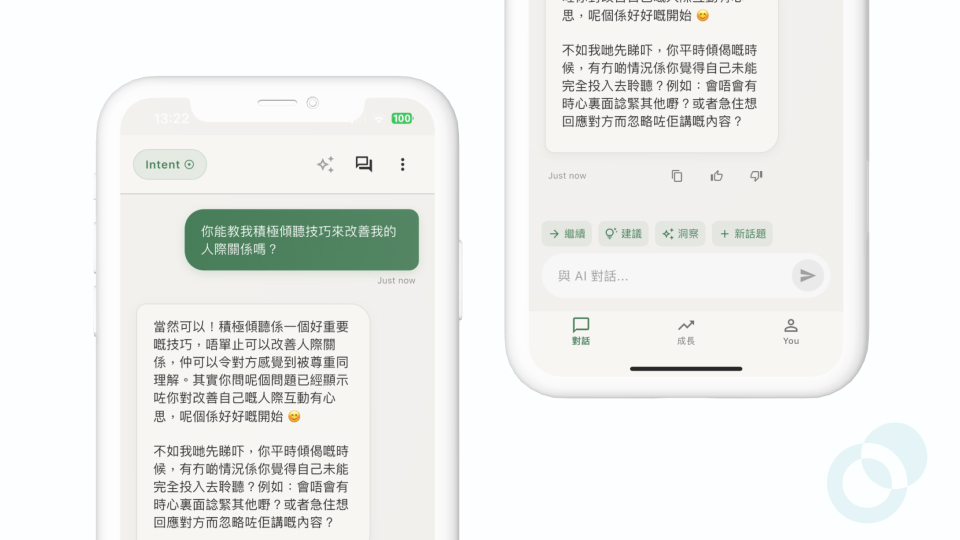
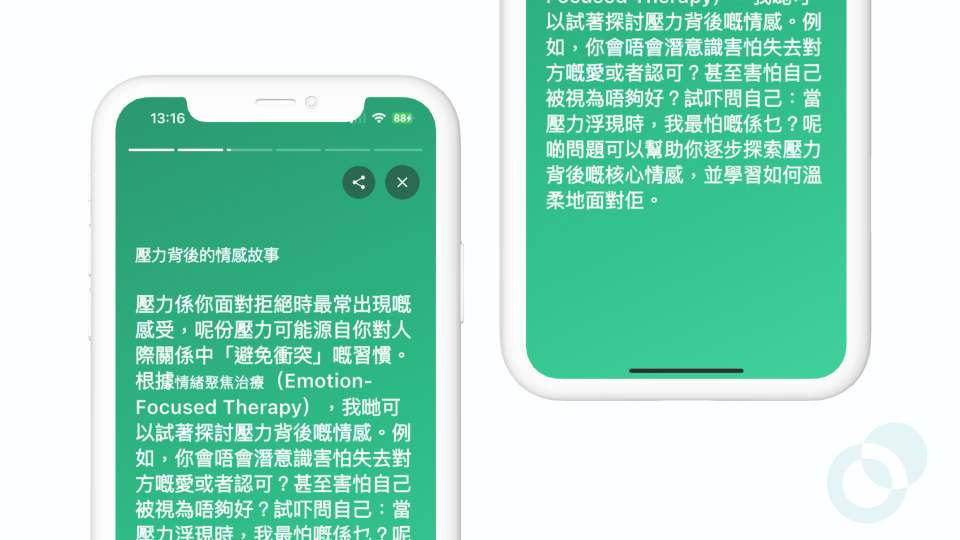
Whoever it is you like, writing down your everyday feelings, the moments of attraction or your inner thoughts are all ways of being in dialogue with yourself. Bit by bit, you'll discover that love need not be defined by gender.
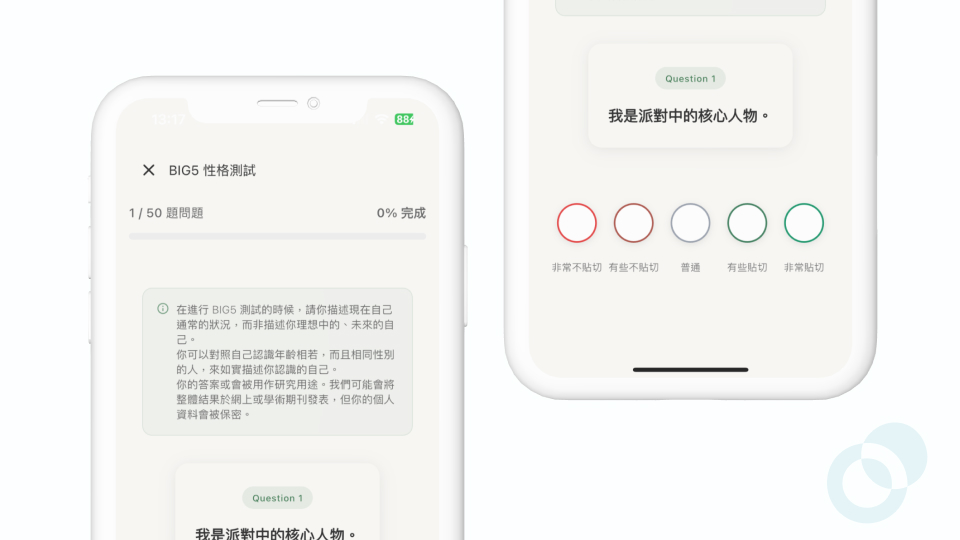
The built-in psychological tests can help you explore your unique way of relating to emotion and attraction, starting from your personality traits, values and patterns of interaction, and understand more reassuringly "why I might be pansexual".
? Try it free now, start exploring your emotional map, and understand your true self.
References
Callis, A. S. (2014). Bisexual, pansexual, queer: Non-binary identities and the sexual borderlands. Sexualities, 17(1–2), 63–80. https://doi.org/10.1177/1363460713511094
Galupo, M. P., Pulice-Farrow, L., & Ramirez, J. L. (2017). “Like a constantly flowing river”: Gender identity flexibility among nonbinary transgender individuals. In J. D. Sinnott (Ed.), Identity flexibility during adulthood: Perspectives in adult development (pp. 163–177). Springer International Publishing/Springer Nature. https://doi.org/10.1007/978-3-319-55658-1_10
Fořt, J., Benešová, D., Freudenfeld, P., Valentova, J. V., & Havlíček, J. (2024). Personality Differences Among Men and Women of Different Sexual Orientations, Including Asexual and Pansexual Individuals. SSRN. https://doi.org/10.2139/ssrn.4948055
Nikki Hayfield & Karolína Křížová (2021). It’s Like Bisexuality, but It Isn’t: Pansexual and Panromantic People’s Understandings of Their Identities and Experiences of Becoming Educated about Gender and Sexuality, Journal of Bisexuality, 21:2, 167-193, DOI: 10.1080/15299716.2021.1911015

Keep reading
未分類
未分類
未分類


Comments
No comments yet — share your thoughts.