

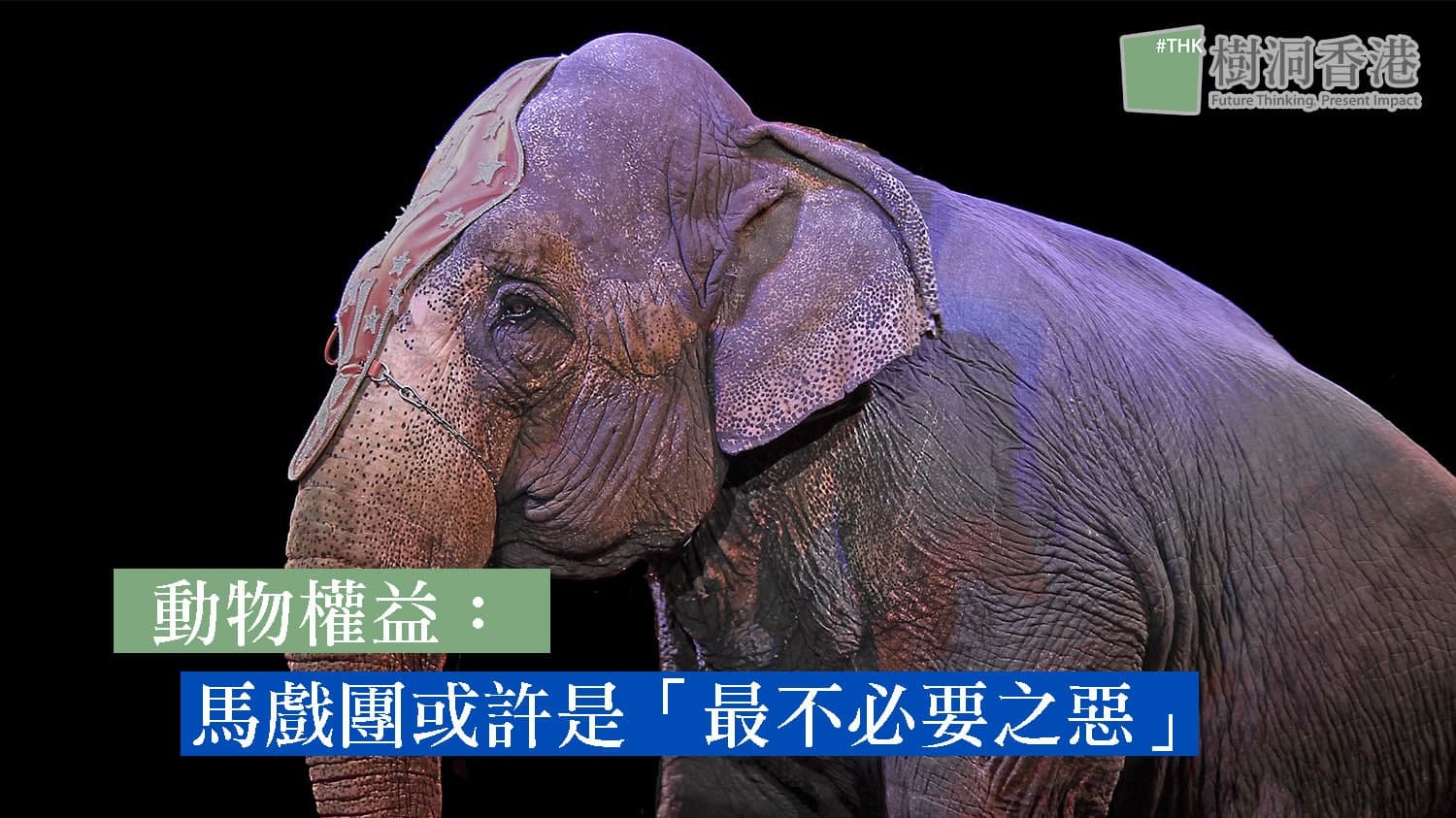
Picture this: from the day it is born, we lock a child in a cage and drill it endlessly to perform dangerous stunts. Whenever it shows fear or fumbles its act, we beat it with whips and electric prods — all to mould it into a money-making tool, a piece of equipment that feeds the human entertainment industry. It spends its whole life stripped of freedom and dignity, in exchange for the fleeting happiness of others. Could you accept that?
If treating a child this way strikes you as unacceptable, then know this: at this very moment, tens of thousands of circus animals are enduring exactly that suffering. The very same act — what is it that makes us see no problem with it the moment it happens to an animal?
Human moral codes have always shut certain individuals outside the door
Perhaps we should begin with discrimination (Discrimination).
Discrimination has always been part of human culture. As far back as the fifteenth century, white people just as arbitrarily decided they were superior to black people; believing that black lives mattered less than their own, they cast black people as lesser beings. To people of that era, a black person was likewise not an individual (Individual), but merely a unit of labour. A refusal to see the targets of discrimination as feeling individuals is something all its forms have in common.

No longer regarded as individuals, black people were branded on the body by white owners, at times not even allowed to wear clothes, broken in body and mind. They were chained, loaded onto slave ships bound for transport, and worked in bondage for life; most endured all manner of disease, starvation and every kind of death — all because they had been deemed a lower class of race. It was only around the nineteenth century, as Britain and America gradually banned the slave trade, that the fate of black people began to turn.
In the twentieth century, the psychologist Richard D. Ryder put forward speciesism (Speciesism): "discrimination" means treating individuals as higher or lower according to differing traits such as sex or skin colour — the familiar "racism" and "sexism" everyone knows — while "speciesism" means discriminating against an individual on the basis of the species (Species) it belongs to.
Defining an individual's worth arbitrarily (Arbitrarily) on the basis of species hands humans a convenient pretext to exploit animals for their own selfish desires: if human interests matter more than other lives, then animals can be treated as mere tools — and even subjecting them to torture worthy of cruel punishment becomes acceptable, so long as it raises a smile on our children's faces.
Even if humans are more valuable than other animals, that does not mean we may exploit them at will
Speciesism, like racism, is one side oppressing another. Enslaving black people could at least line human pockets and enrich a nation; using animals for drug testing may at least contribute to medical progress — what we call a "necessary evil" (Necessary Evil). But mistreating animals merely to raise a laugh with a circus performance — does that bring any genuine benefit to human society at all?
Is one hour of human happiness worth more than a lifetime of animal suffering? Even if humans are the most valuable beings of all, there must be some limit, some proportionality (Proportionality), to how far we sacrifice other animals. Where there is no other choice, testing on animals to save human lives may be a regrettable necessity. But the circus is surely a different matter entirely.
In the circus, the elephant must stand on its head, and the lion in its child's costume must leap through a ring of fire. Many animals suffer permanent joint damage and chronic malnutrition as a result. Month after month, year after year, they are trained to jump through various objects and to perform difficult routines, forced to master their endless terror; fail, and they are immediately whipped and starved. Some animals even have their claws cut off or their teeth smashed out, all to keep a roaring audience laughing. Every burst of laughter carries not warmth, but suffering that pierces the heart.
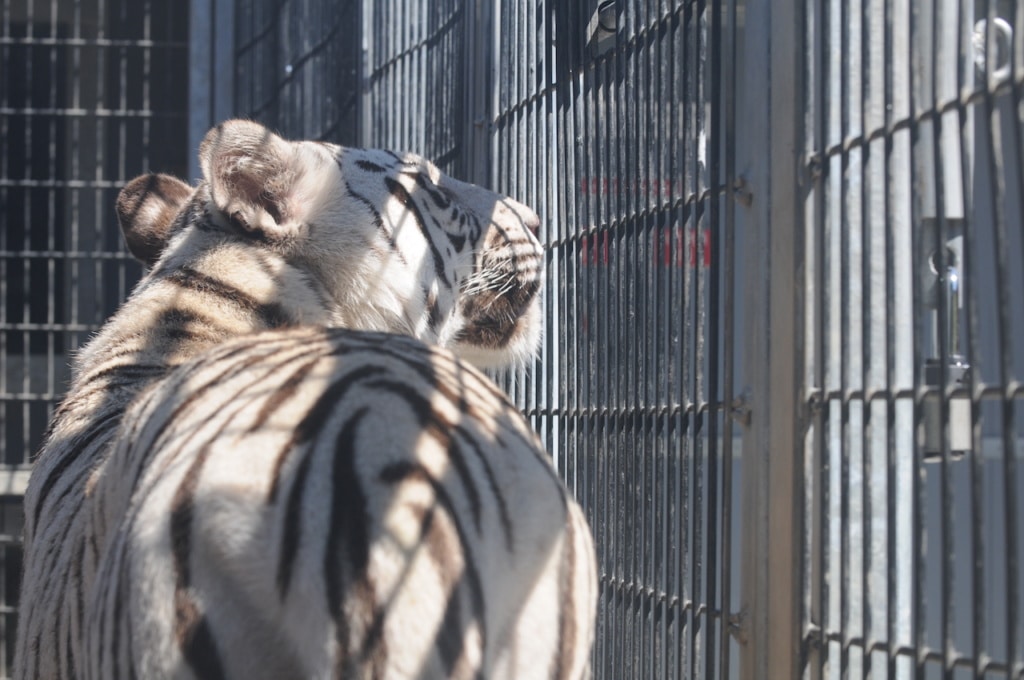
Animals have feelings just as we do: they feel joy, they feel fear, they feel pain and they feel dread. Animals, too, have families of their own and a will to live. In fact, anyone can easily take the first step for animals: simply oppose animal performances and animal racing (editor's note: for Hongkongers, horse racing at Happy Valley is the most immediate example), because for performing animals, every single day is a torment.
Author: Yanki Din @ TreeholeHK Contributing Writer
Academic editor: Peter Chan | TreeholeHK Founder




Comments1 comment