

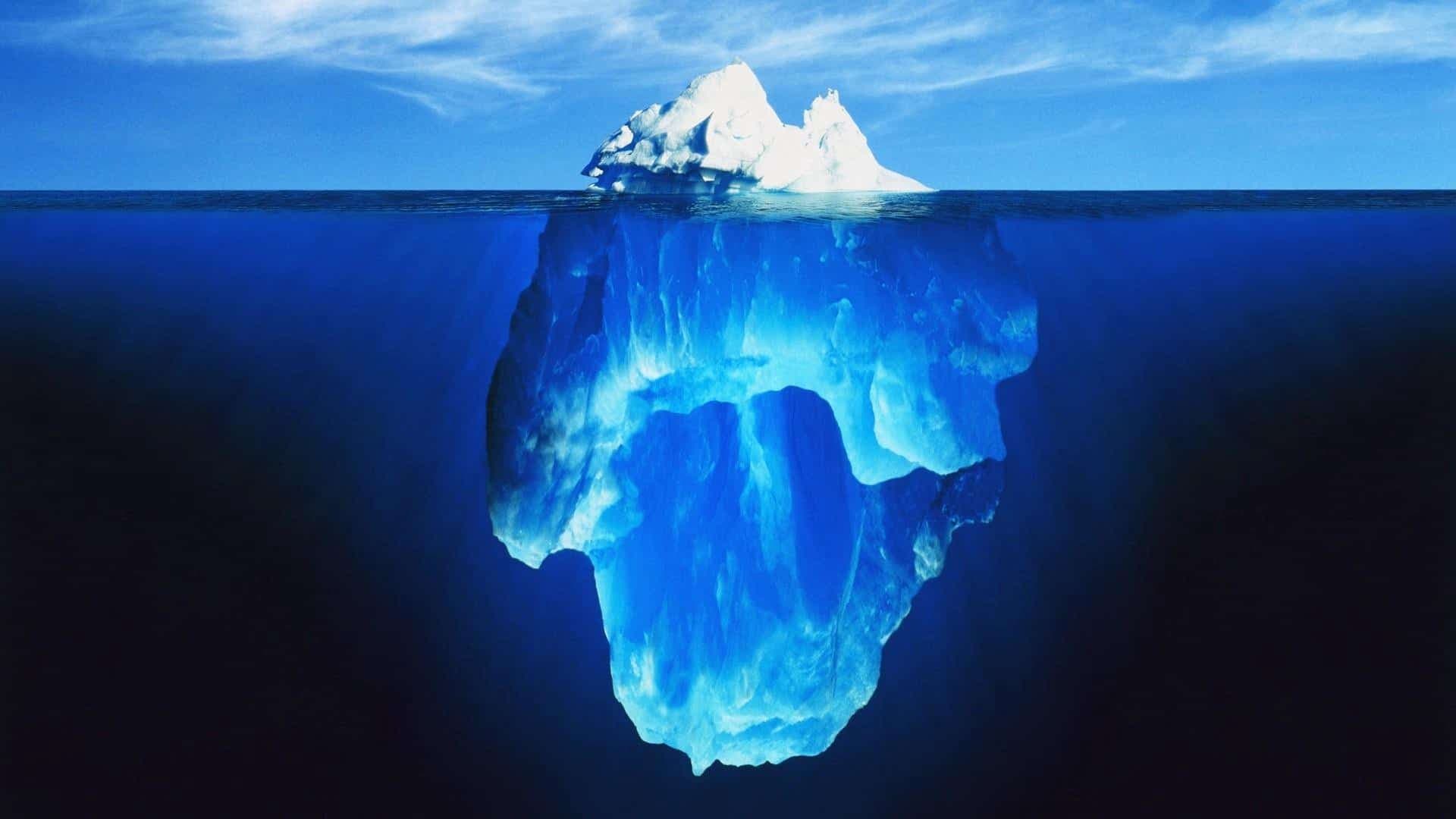
Almost everyone has heard of the word "unconscious". And although it isn't scientific, it has had an enormous influence. That said, here's something worth keeping in mind too: things that lack a scientific basis aren't necessarily wrong — it's simply that the scientific method has its own limits, and some things are forever destined to lie beyond it, such as the soul, near-death experiences, and the unconscious.
Freud's school of psychoanalysis
Freud (Sigmund Freud)'s theoretical school is called psychoanalysis — a sweeping, profound, philosophically inclined body of theory. This school includes many famous classic figures such as Jung (Carl Jung), Erik Erikson, and — if I'm remembering correctly — Alfred Adler is a leading figure of the school too. But it's worth noting that, although the theories of those latter three all belong to the psychoanalytic school, each of their theories has by now become a school in its own right — rather like how Shaolin kung fu branched out into many different sects. As for Freud's own theory, we call it Freudian Psychology.
The unconscious, the preconscious, and the conscious
One of Freud's most famous theories is his theory of consciousness. He defined consciousness as having three levels: the "conscious", the "preconscious", and the "unconscious". As for the term "subconscious" that you sometimes hear, I'd say it means the same thing as the "unconscious".
The conscious is that layer of awareness in which, every minute and every second, we are working, scrolling on our phones, talking with other people, doing our homework, and so on. If you ask a conscious person what their name is, they can answer you; you interact with them, and they interact back with you. Someone who has passed out, on the other hand, has lost their conscious state. The preconscious is what you don't draw on every minute and every second, but which you can reach for information when you need it. For example, you aren't thinking about your phone number every minute and every second, but if someone asks for your number, you can say it out loud. We say that, most of the time, this phone number sits in your preconscious.
Defining the unconscious
The unconscious is the layer of awareness you cannot reach — you have no way of pulling things out of the unconscious and up into the conscious to make use of them. Freud used the famous "tip of the iceberg" model to describe these three layers of consciousness. He likened the conscious to the peak of an iceberg poking out above the water, taking up only a very small part of the whole iceberg, while the vast remainder is the world of the unconscious. Our behaviour, too, is mainly controlled by the unconscious, and human beings do not possess free will.
Let me give an example. If I asked you right now what the image was that you saw last night at 11:37 and 15 seconds, could you answer? Surely you couldn't — and why is that? Because, of the vast amount of information we take in every day, only a very small part stays in the conscious; the overwhelming majority all passes into the unconscious. The things that have passed into the unconscious do not vanish — in fact they never vanish — it's just that, in the conscious, we have no way of reaching what's in the unconscious, so we feel as though we have "forgotten". But Freud believed that, as long as we use the right techniques, the things in the unconscious can be pulled back out, and one of those methods is the hypnosis everyone is familiar with. Hypnosis is a deeply mysterious thing; it is closely tied to the cracking of the Tuen Mun rapist case that shocked Hong Kong in the early 1990s — if you're interested, you can look it up on Wikipedia.
–
Author – Lo's Psychology Republished under special authorisation Content may be slightly edited
Ph.D in Psychology, Department of Psychology, The University of Hong Kong
Ph.D in Psychology, HKU



Comments
No comments yet — share your thoughts.