The Quiet Healing of Expressive Arts
You are tired, aren't you — carrying so much, yet still smiling through it. When there is no outlet for everything you feel, expressive arts can become one channel for letting it out.
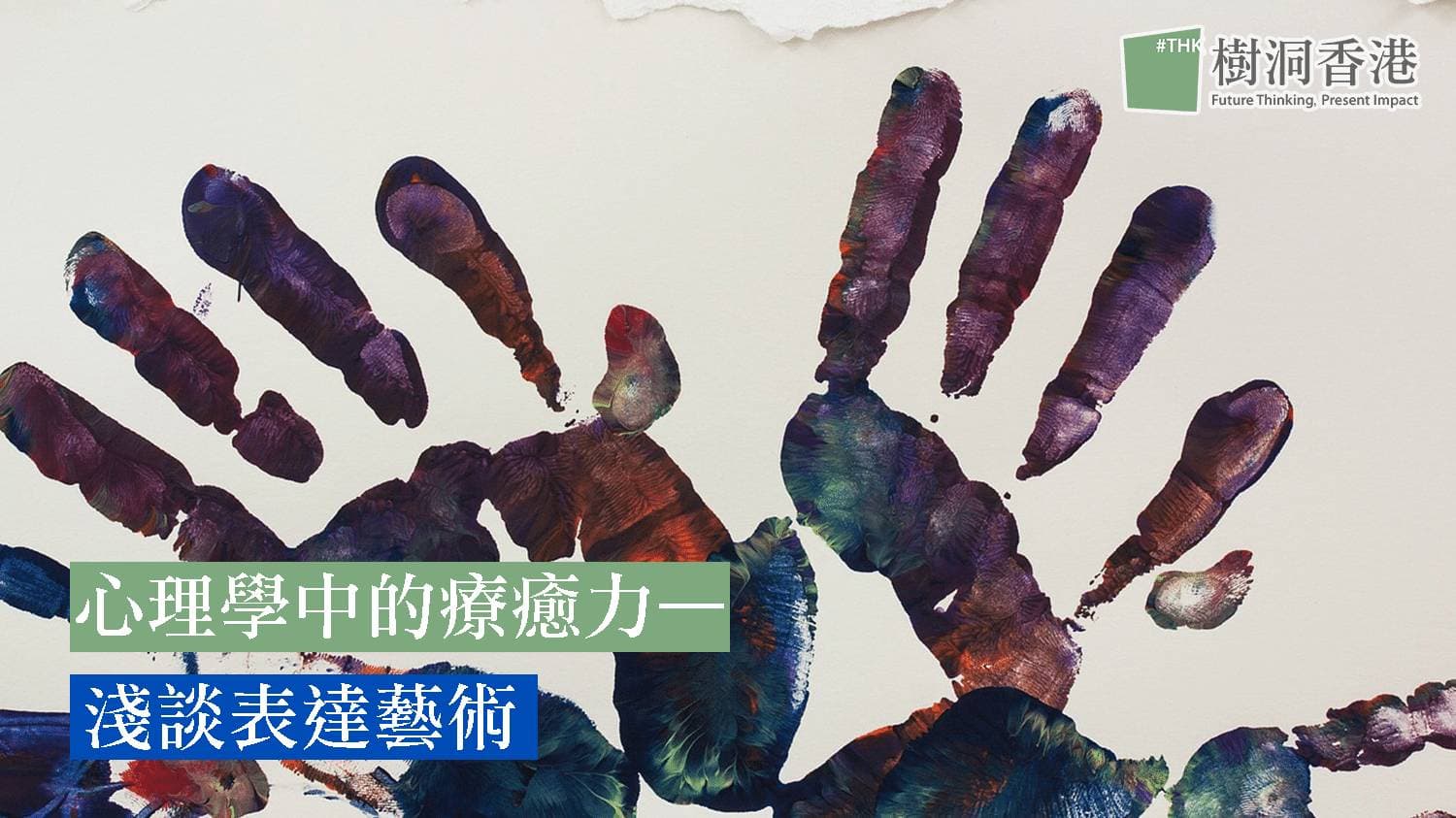

You are tired, aren't you — carrying so much, yet still smiling through it. When there is no outlet for everything you feel, expressive arts can become one channel for letting it out.
You, right now, must be exhausted. You are already worn down by your wounds, yet you still greet people with a smile; you already carry far too much, yet you grit your teeth and keep going. Perhaps right now you are holding a great deal of emotion with no chance or channel to let it out. You long to throw your head back and scream, or to ride a roller coaster and shriek on your own, so that the feelings you have suppressed for so long can finally pour out — yet you also know that reality, or you yourself, will not allow any of that to happen. In that case, expressive arts may be one channel through which you can let it out.
Expressive arts therapy is a combination of expressive arts and psychological therapy. It uses media such as visual art, music, dance and movement, drama and writing, and under the guidance of a professional therapist it draws on the process of making art to help you understand your inner needs more deeply and to arrive at psychotherapy. Expressive arts therapy also makes use of more than one artistic medium, making it easier to express your emotions and to deepen your self-awareness. You may worry that not knowing how to draw or how to dance makes you unsuited to expressive arts therapy. There is no need to worry — what expressive arts therapy values is the process, using the act of making art to understand and accept yourself.
Expressive arts therapy needs to be carried out by a professional; if you feel you have such a need, you can seek the help of a professional therapist. In everyday life, though, the healing power of expressive arts can also bring you closer to your own heart. At first you might look at a blank sheet of paper or an empty rehearsal room and feel you have no idea where to begin, but once you start to observe your inner world quietly, you will find a word, a movement, a line of dialogue, a scene suddenly surfacing in your mind, and you will begin to create with that flash of inspiration. In creation there is no right or wrong, no beautiful or ugly; you only need to ask yourself why you reach for a particular colour, why a certain word comes to mind. Healing begins, first of all, with self-awareness, and creation is your channel for letting things out. As you begin to create and slowly come to accept your own work, you will, in everyday life, also slowly grow to understand and accept your own thoughts.
For a while, I used to feel an inexplicable sadness, without knowing why — only that my mood was very low. One time, while I was lying in bed feeling listless, the image of a swan caged inside a birdcage suddenly surfaced in my mind. Since I had no heart to do anything useful anyway, I thought I might as well do a little drawing. And so the picture below came to be. At the time I found myself wondering: why did I draw this picture? Were those tangled, brightly coloured triangles behind it my wish to escape the cage? What was that cage? Why did the swan seem to be glowing — was that how I saw myself? The answers to these questions actually lie within the creation itself. And these are questions you do not need to tell the whole world; you only need to hold them in your heart. Once you know where the emotion comes from, it becomes much easier to gather up those nameless feelings and deal with them. Of course, this is only one example — you can also use different methods to let your own emotions out.

To heal yourself through expressive arts, you need to believe in the power of art, to observe your inner world quietly, and to accept your own creation. Remember that a piece of work has no good or bad; it is your own thoughts that should matter to you. I hope that, in this oppressive age, expressive arts can be a path for letting things out. If you would like to know more about how to observe your inner world quietly, you are also welcome to join TreeholeHK's mindfulness course. I would like to remind everyone here that if you feel uncomfortable during the process of making art, please do not force yourself, and if you need it, please seek the help of a professional therapist.
References:
Malchiodi C. (2014) “Creative Arts Therapy and Expressive Arts Therapy”. Psychology Today. https://www.psychologytoday.com/hk/blog/arts-and-health/201406/creative-arts-therapy-and-expressive-arts-therapy
Malchiodi, C. (2003). Expressive Therapies. New York: Guilford Press. ISBN 1-59385-379-3.

Keep reading
Psychology
Personal Growth
Cognitive Psychology

Comments
No comments yet — share your thoughts.