When a Calm Mind Comes Undone
Three robbers storm a morgue to recover a single bullet — and their cool-headed ringleader slowly comes apart at the seams. A look at the Hong Kong thriller "Bodies at Rest" through the lens of Festi…

Need professional support?
Three robbers storm a morgue to recover a single bullet — and their cool-headed ringleader slowly comes apart at the seams. A look at the Hong Kong thriller "Bodies at Rest" through the lens of Festi…
Keep reading
Discover more
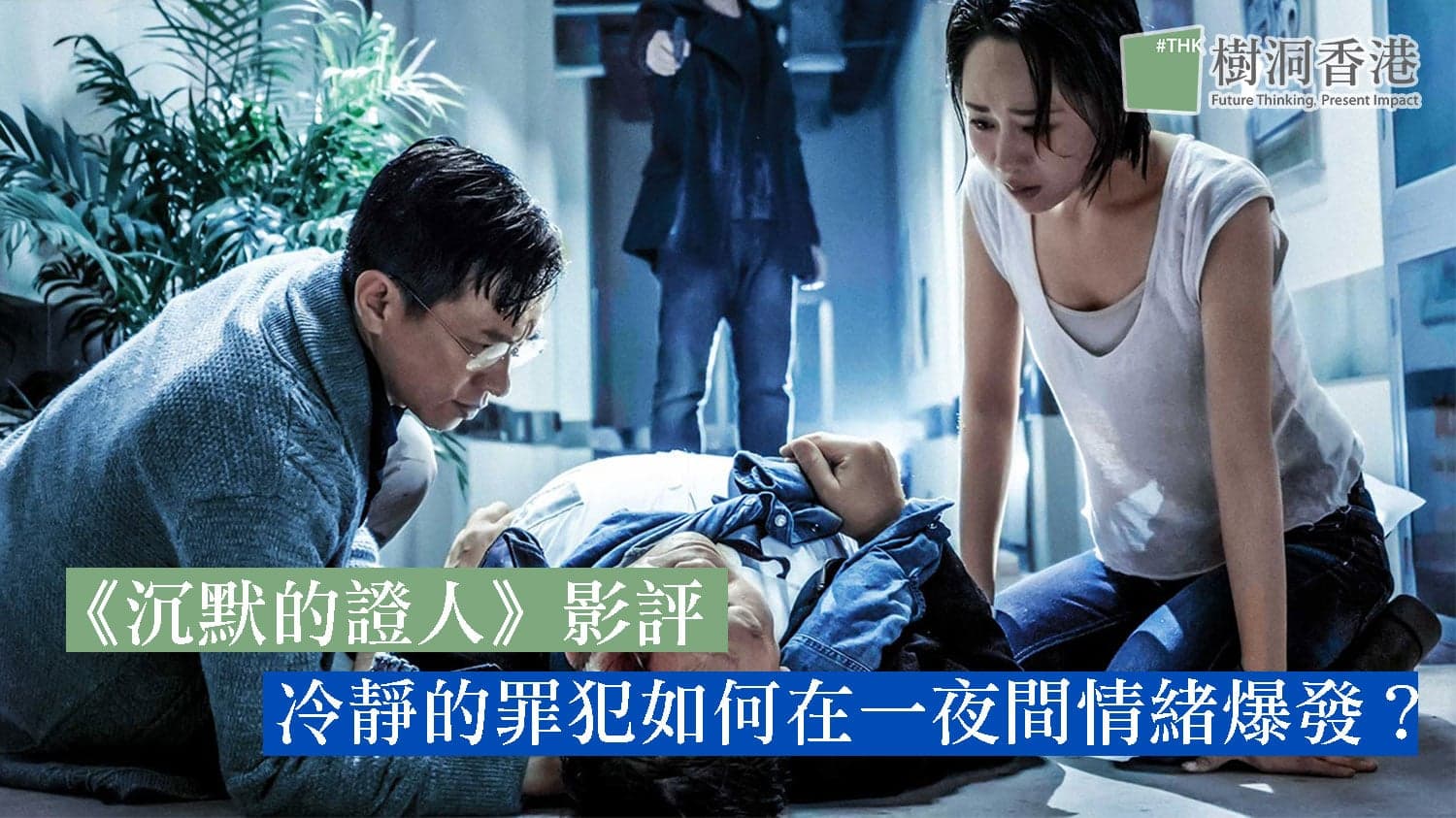
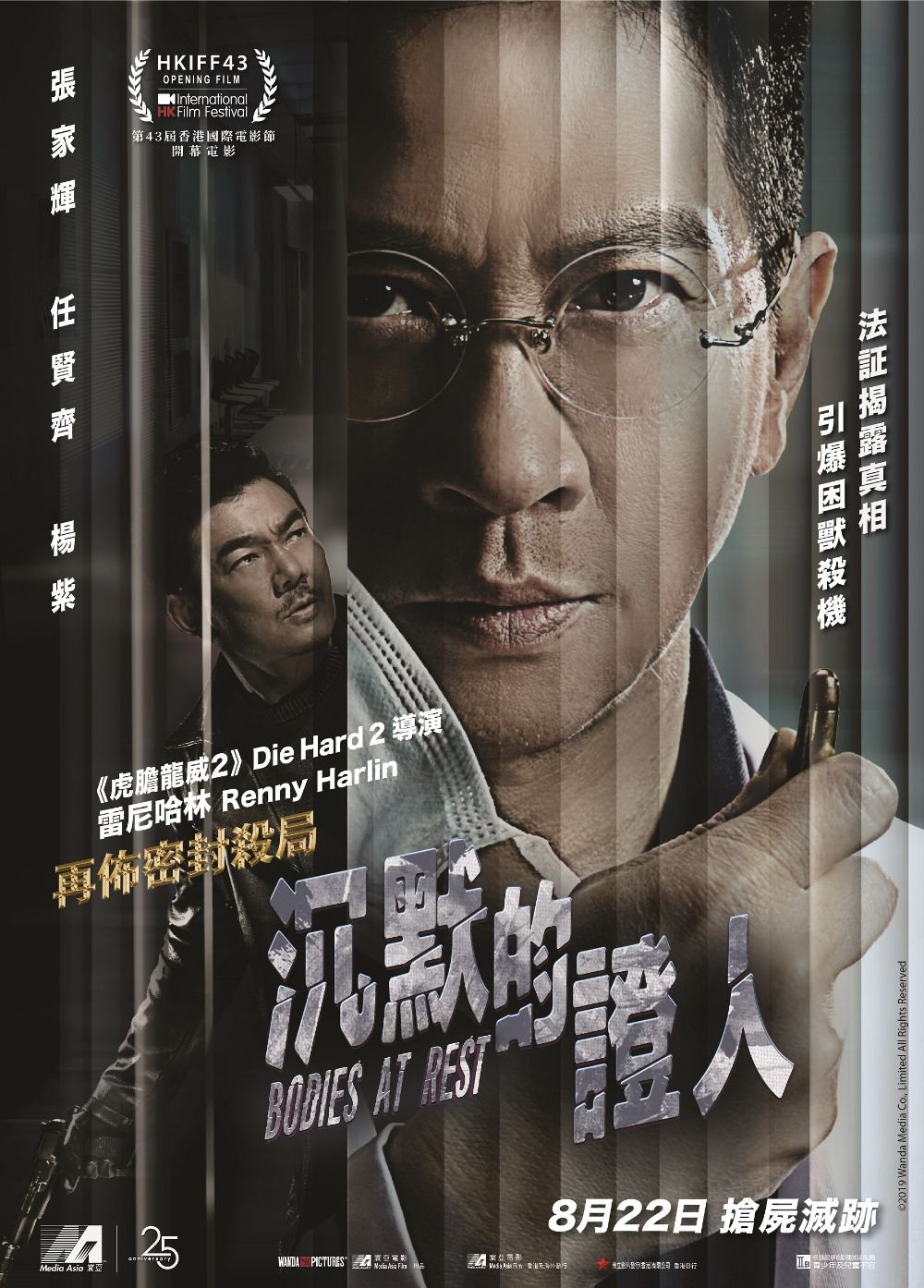
In Bodies at Rest, forensic pathologist Chen Jiahao (played by Nick Cheung) and his apprentice Lynn (Yang Zishan) are accidentally swept into a night of bloodshed. A trio of robbers led by Santa (Richie Jen) bursts into the fictional "Hong Kong Forensic Centre" with a single goal: to recover one bullet lodged inside a corpse. They cut off all power and communications and confiscate the mobile phones of Jiahao and Lynn. Though he could simply wait quietly to be rescued, Jiahao — refusing to bow to thugs — decides to uncover the truth. Five living, breathing humans and a roomful of cornered beasts collide, and the slightest spark sets everything alight.
From the very first frame the pacing is taut and the film is gripping, which made it easy for me to sink fully into its world for 94 minutes against a heavy social backdrop. A pity, then, that the plot left me laughing for all the wrong reasons. (The following contains substantial spoilers — read on at your own discretion.)
First, the criminals are far too simple-minded. The robbers are a textbook trio: the cool-headed (at first) ringleader Santa, the rash and impulsive sidekick Elf (Carlos Chan), and the meek, go-with-the-flow big brother Rudolph (Feng Jiayi). Early on, when Santa orders Jiahao to retrieve the bullet, the clever Jiahao finds another corpse carrying a similar bullet and hands over an unrelated one, hoping to bluff his way through. Under normal circumstances, the robbers ought to supervise Jiahao's dissection, check whether the body is in fact their target, and verify on the spot that the bullet pulled out is the one they fired. Yet they send the big brother — who retches at the mere sight of a corpse — to do the watching. He grabs the bullet and, without so much as a glance, hands it back to Santa. Even less plausible: by the end you realise all three robbers are police officers. Their line of work gives them plenty of exposure to corpses, and they have casework experience. How could they be so squeamish around a body? How could they be so careless on the job? Ha — though for Hong Kong as it is today, perhaps that's no surprise at all.
Second, Jiahao's escape ploys are repetitive and feel like child's play. For instance, slipping out of Santa's line of sight in the first half of the film and engineering his way out of trouble at the very end both rely on the same trick — sparking a fire by mixing chemical compounds. Reusing the same device within a single film really ought to be a major taboo.
That said, Santa's shift in temperament is rather fascinating to watch. At the outset he is a cautious, level-headed leader. When he sees Elf acting rashly, he tells him to cut out the unnecessary moves. After they first obtain the bullet, Santa is the only one to notice something is off — that the bullet has been swapped out. At the same time, from the very start, he goes about everything in a way meant to leave no trace. After all, recovering the bullet is itself about destroying the evidence of his crime, so naturally he doesn't want to create yet more incriminating evidence. Sadly, as the plot unfolds — his comrades get hurt, he is led by the nose again and again by Jiahao, and more and more people become entangled in the affair — Santa's emotions begin to crumble. He stops caring whether more people will be alarmed, stops caring whether more traces will be left behind, and launches into reckless, frenzied destruction, firing his gun wildly. We might turn to the "Theory of Cognitive Dissonance" proposed by the American social psychologist Leon Festinger to make sense of Santa's transformation.
Cognitive dissonance refers to the psychological stress and discomfort a person feels when they hold two or more contradictory ideas, beliefs or values. When confronted with a situation or evidence that clashes with their thinking, the person will alter their own behaviour and beliefs in order to relieve the discomfort of that inconsistency.
Let's take a look at some of the jolts and shifts Santa goes through over the course of the film!
Initial belief 1: Brimming with confidence, he believes he and his comrades can swiftly retrieve the evidence — the bullet.
Shock 1: As it turns out, Jiahao only pretends to cooperate, hands him a fake bullet, and forces them to retrace their steps. And Jiahao thwarts his plans again and again and again.
Initial belief 2: He assumes no one knows his secret.
Shock 2: Yet Jiahao discovers he is a gambler who, to pay off his debts, stole the criminals' drugs.
Initial belief 3: He believes he can smoothly make use of his two comrades, Rudolph and Elf, and then silence them.
Shock 3: Yet Jiahao and Lynn discover that he has fitted his gun with a silencer (so he can kill without a sound, undetected by the others), which shakes Rudolph to the core and pushes him to sell Santa out.
Faced with one challenge and shock after another, Santa's thinking grows chaotic and his mind restless and uneasy, his behaviour shifting along with it to paper over his insecurity. At the same time, Jiahao's deliberate provocations make Santa more and more agitated. His emotions and thinking deteriorate further, and then comes the trigger — Jiahao exposing him as a gambler. Having his secret laid bare is like being forcibly stripped of his clothes, suddenly left naked, and it makes him lose all reason. From wanting only to save himself at the start, he turns to a point where Cheung Ka-fai (Jiahao) must die — beyond any hope of redemption.
All in all, the film does have its entertaining moments. Friends with time to spare might give it a watch. I came across a film review online that maps Hong Kong's present-day circumstances onto the plot, which gives it a flavour all its own. Audiences who can read the director's political humour will surely find something to enjoy.
References:
Festinger, L. (1957). A theory of cognitive dissonance. Stanford, CA: Stanford University Press.
Fong Chun Kit: "Bodies at Rest" — Frying in the Morgue, the Fisherman Reaps the Reward
https://www.cup.com.hk/2019/08/22/fong-chun-kit-bodies-at-rest/#.XV6Z8Aviqtg.facebook
Psychology
Psychology
Psychology








Comments
No comments yet — share your thoughts.