The Quiet Psychology of White, Black and Green
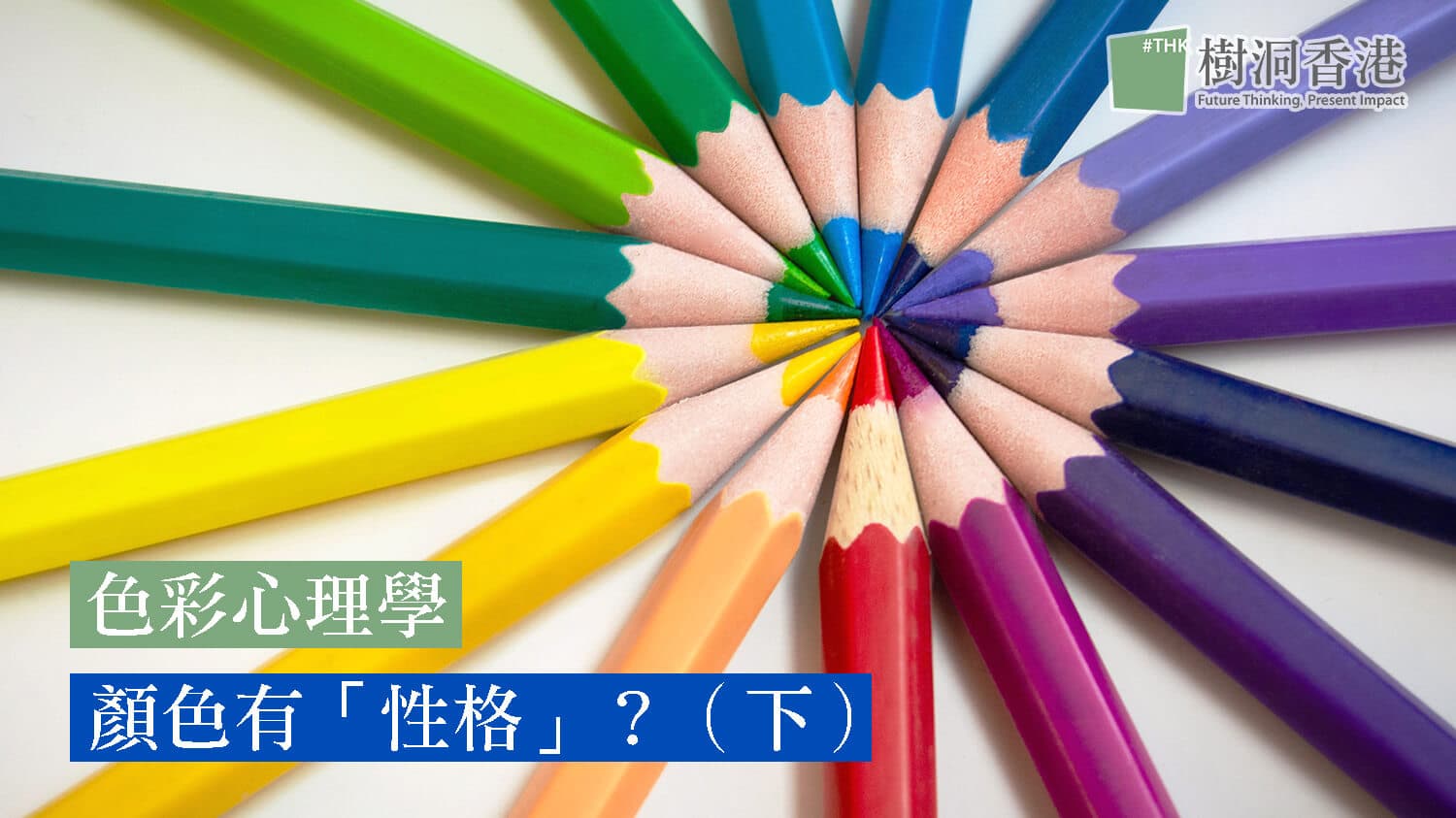
In Part 1 we looked at the three primary colours; here we turn to white, black and green. From the clothes we wear to the rooms we live in, what does the research say each shade does to us?


In Part 1 we looked at the three primary colours; here we turn to white, black and green. From the clothes we wear to the rooms we live in, what does the research say each shade does to us?
In Part 1, we looked at how the three primary colours are used and at the role they play in psychology. Have you ever found yourself putting a little extra thought into how you combine colours in everyday life? Beyond what we wear from day to day, we also have to choose from thousands upon thousands of shades when furnishing a home or working on a piece of graphic design. Apart from the primary colours, researchers have also done a fair amount of work on other colours. In this article, we carry on exploring the many findings of colour psychology.
In colour psychology, white generally gives an impression of purity, cleanliness and openness (Birren, 2016). When it comes to everyday dress, white tends to be the "safe, conservative" choice. When we go into the office, for example, most colleagues will be wearing white shirts. And in summer we often pair a white top with bottoms in another colour. After all, white easily lends a crisp, fresh feel, and it also makes the character of other colours stand out. We often see medical staff in white uniforms too, which is another way of creating a comforting yet clean feeling for patients (Jeddi et al., 2016). In interior design, white can heighten our perceived sense of space, making a room feel larger and more open (Birren, 2016). One study found that when people were asked to pick a theme colour for a living room, bedroom, bathroom or office, the vast majority preferred a white-based palette, feeling that white was calming (Bakker et al., 2015). In public buildings, most towers also opt for white as the indoor environmental scheme, and one study likewise showed that most people felt white conveyed a professional image (Stone, 2001). So does this colour have anything to do with our productivity at work? Research has found that people generally feel a white space helps them get stuck into their work (Kwallek et al., 1990), and for those with higher cognitive ability, it helps boost their capacity to filter out useful information (Kwallek et al., 2007). On the other hand, a white space can also feel cold and monotonous (Birren, 2016). If you are designing a new home, it is worth adding a few touches with furniture and décor in other colours; a few wall hangings and potted plants are a fine choice too.
"Just like me, head over heels for black…" Are you a "black-clothing fanatic"? Whether it is a businessman's formal suit or a piece of OPPA Korean fashion, black is a very popular colour. Psychological research has found that people see those dressed in black as more attractive, and that this colour also conveys an impression of nobility and elegance (Roberts et al., 2010). On formal or important occasions, black attire is extremely common, and perhaps that is precisely why it has become a symbol of status. On screen there is Leonardo DiCaprio playing the multimillionaire in a black suit in The Great Gatsby; in real life there is Steve Jobs in his black turtleneck, the "high priest" presiding over Apple's launch events. In marketing, people tend to make a psychological link between black trademarks and images of being "upscale", "high-quality" and "luxurious" (Amsteus et al., 2015). Quite a few luxury labels also use black as the main tone of their trademarks to lift the brand's high-end image — Chanel, Gucci and Dior, to name a few. But on the other hand, psychological research has found that people also make negative associations with black, such as thoughts of death, fear and grief (Chang & Lin, 2010). Experts believe this may be connected to evolutionary psychology: just as our ancestors had to guard against the attacks of wild animals at night, facing all kinds of unease and dread, those very feelings became linked to the darkness in their surroundings (Chang & Lin, 2010). Think of how the villains we see in comics are often dressed all in dark black too! Does black perhaps give a feeling of something to be admired from afar but not easily approached? At the end of the day, the colours we choose to wear come down to personal preference. If we assume someone is a bad person simply because they wear black, that is rather superficial.
Green is the colour of nature. During the period of social distancing, did you head out to the countryside for a hike to clear your mind? When you saw the green hills and clear waters, did you suddenly feel at ease? And do you like wearing a mint-green or lake-green top in summer? Psychological research has found that the green of nature has a stress-relieving effect and can also boost concentration on the task at hand (Gamble, 2014). Other researchers have found that when participants exercised while looking at green natural scenery, they were better able to keep a calm state of mind and felt less fatigued, compared with scenery in other tones (Akers, 2012). Why does green give a feeling of stability? From the perspective of evolutionary psychology, some experts point out that early humans linked the green of nature to food, water and shelter — all things closely tied to survival (Schnoor, 2012). Besides regarding green as having a calming effect on the emotions, experts have also proposed that the green shades within a space can help people adapt more easily to a new environment (Aves & Aves, 1994). Many interior designers therefore add green potted plants as décor in public spaces such as restaurants, hotel lobbies and offices (Kurt & Osueke, 2014). On top of this, psychological research has found that looking at green scenery can boost creativity (Lichtenfeld et al., 2011), and further research has found that placing green plants in an environment can strengthen visual creativity (Studente et al., 2016) — that is, creativity in visual works, such as artistic creation in sketching, oil painting and sculpture (Tian et al., 2018). Although we Hongkongers are quite afraid of being "made to wear a green hat", psychological research has put forward plenty of positive uses for green. Next time you are watching the news and feel agitated and want to settle down a little, try adding a touch of green to your life.
Across both parts of these colour psychology articles, we have come to know six colours commonly found in everyday life — red, yellow, blue, green, black and white. Although psychology has proposed all sorts of effects that different colours have on us, our feelings and perceptions are ultimately subjective. Colour, sound, scent, taste, touch and thought are all shifting and flowing. Beauty and ugliness are defined in the space of a single thought. We need not go out of our way to fall in line with other people's preferences; we can let go of our worries and simply savour every scene that life has to offer.
References
Akers, A., Barton, J., Cossey, R., Gainsford, P., Griffin, M., & Micklewright, D. (2012). Visual color perception in green exercise: Positive effects on mood and perceived exertion. Environmental science & technology, 46(16), 8661-8666.
Amsteus, M., Al-Shaaban, S., Wallin, E., & Sjöqvist, S. (2015). Colors in marketing: A study of color associations and context (in) dependence. International Journal of Business and Social Science, 6(3).
Aves, M., & Aves, J. C. (1994). Interior designers’ showcase of color. Rockport.
Bakker, I., van der Voordt, T., Vink, P., de Boon, J., & Bazley, C. (2015). Color preferences for different topics in connection to personal characteristics. Color Research & Application, 40(1), 62-71.
Birren, F. (2016). Color psychology and color therapy; a factual study of the influence of color on human life. Pickle Partners Publishing.
Chang, W. L., & Lin, H. L. (2010). The impact of color traits on corporate branding. African Journal of Business Management, 4(15), 3344-3355.
Gamble, K. R., Howard Jr, J. H., & Howard, D. V. (2014). Not just scenery: viewing nature pictures improves executive attention in older adults. Experimental aging research, 40(5), 513-530.
Jeddi, L. K., Kasrayee, F., Jeddi, S. K., & Taghipour, M. (2016). The Analysis of Effect of Colour Psychology on Environmental Graphic in Children Ward at Medical Centres. Psychology and Behavioral Sciences, 5(2), 51-61.
Kurt, S., & Osueke, K. K. (2014, February 28). The effects of color on the moods of college students. Retrieved from https://journals.sagepub.com/doi/full/10.1177/2158244014525423
Kwallek, N., & Lewis, C. M. (1990). Effects of environmental colour on males and females: A red or white or green office. Applied ergonomics, 21(4), 275-278.
Kwallek, N., Soon, K., & Lewis, C. M. (2007). Work week productivity, visual complexity, and individual environmental sensitivity in three offices of different color interiors. Color Research & Application: Endorsed by Inter‐Society Color Council, The Colour Group (Great Britain), Canadian Society for Color, Color Science Association of Japan, Dutch Society for the Study of Color, The Swedish Colour Centre Foundation, Colour Society of Australia, Centre Français de la Couleur, 32(2), 130-143.
Lichtenfeld, S., Elliot, A. J., Maier, M. A., & Pekrun, R. (2012). Fertile green: Green facilitates creative performance. Personality and Social Psychology Bulletin, 38(6), 784-797.
Roberts, S. C., Owen, R. C., & Havlicek, J. (2010). Distinguishing between perceiver and wearer effects in clothing color-associated attributions. Evolutionary Psychology, 8(3), 147470491000800304.
Schnoor, J. L. (2012). The benefits of being green. Environ Sci Technol. 46(21). 11487
Stone, N. J. (2001). Designing effective study environments. Journal of environmental psychology, 21(2), 179-190.
Studente, S., Seppala, N., & Sadowska, N. (2016). Facilitating creative thinking in the classroom: Investigating the effects of plants and the colour green on visual and verbal creativity. Thinking Skills and Creativity, 19, 1-8.
Tian, F., Chen, Q., Zhu, W., Wang, Y., Yang, W., Zhu, X., … & Qiu, J. (2018). The association between visual creativity and cortical thickness in healthy adults. Neuroscience letters, 683, 104-110.

Comments
No comments yet — share your thoughts.