


In the wake of the social unrest and the pandemic, Hong Kong people's mental health has suffered a marked toll, and among the effects, depression and post-traumatic stress are the most serious. If Hong Kong people are to look after their own mental health, they must deepen their awareness of it — recognising their own state, or that of the friends around them, so that emerging psychological difficulties can be addressed early. Depression is a clinical mental illness that affects our emotions, our thinking, our behaviour and our physical responses. So today, let us understand depression together. You might take a moment to notice whether the symptoms below have appeared in your own life, and give your own mind a little more care.
The Symptoms of Depression and Their Impact
According to the Diagnostic and Statistical Manual of Mental Disorders, Fifth Edition (DSM-5), the symptoms of depression include:
- Feeling low or down on almost every day
- A marked loss of interest in almost everything, including activities once enjoyed
- A noticeable change in weight, or a sharp drop in appetite
- Insomnia or oversleeping on almost every day
- Persistent fatigue or a lack of energy
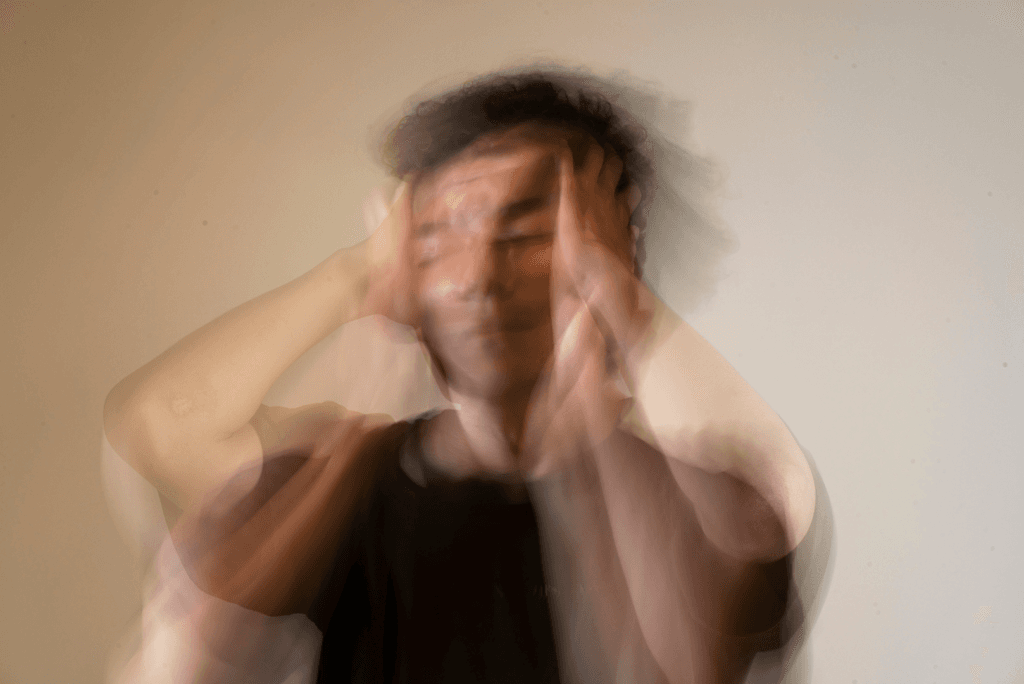
- Slowed or agitated movement or speech (usually noticed by others)
- Feeling worthless, or experiencing intense and inappropriate guilt
- A decline in the ability to think, concentrate and make decisions
- Recurring thoughts of death or suicide, having a suicide plan, or having attempted suicide
If a person experiences five or more of these symptoms on almost every day — among them either a "low mood" or a "loss of interest" — and this continues for two weeks or more, they will be diagnosed with depression. However, even where the threshold for a clinical diagnosis has not been reached, persistent depressive symptoms still take a negative toll on the person's life.
The impact depression has on those who live with it can be grouped into four areas: emotions, thinking, behaviour and the body. On the emotional side, beyond persistent low mood, the person may also feel empty and hopeless, anxious and on edge, irritable and short-tempered, alone and helpless. In terms of thinking, their cognitive abilities (such as memory and decision-making) may deteriorate, they may form negative thoughts about themselves (such as guilt and low self-confidence), and they may have thoughts of suicide and death. In terms of behaviour, the person may deliberately withdraw from social activities, struggle to take pleasure in them, possibly misuse alcohol and drugs, and may even harm themselves. On the physical level, the person may have sleep problems such as insomnia or oversleeping, may experience poor appetite and exhaustion, and their weight may change dramatically.
Is Depression Just Being Unhappy?
Depression is a clinically diagnosed mental illness, and it is not the same as feeling down. In daily life, it is perfectly normal to experience negative emotions; work, relationships, social problems or hardship can leave us feeling sad, helpless and unmotivated, but these ordinary negative feelings ease over time. The negative emotions of someone with depression are far more complex: they do not arise only in response to external events, the person may suddenly feel an intense low mood, and where the condition is not properly addressed these negative feelings can persist indefinitely. Beyond the difference in duration, the sadness we go through day to day rarely makes us feel worthless — in the vast majority of cases our self-image or self-esteem holds steady; someone with depression, by contrast, develops problems at the level of thinking, questioning the value of their own existence, and their self-image takes on a markedly low tone.
Most importantly, depression has a profound negative impact on a person's life. As mentioned above, depression does not merely bring negative emotions; it also affects the person's thinking, behaviour and physical responses. The person may face limitations in their cognitive abilities, their social life may be hampered by the illness, and problems such as insomnia and loss of appetite also damage their health.
Of course, when we go through pain that is hard to bear, our lives can become difficult as a result. While I have tried here to draw a line between depression and ordinary negative emotions, I still want to stress that even where a person has not been diagnosed with a mental illness, emotional distress may already have caused a certain degree of harm. If you are willing, you can take the initiative to seek the help of a counsellor and try to improve your life.
TreeholeHK now offers psychological services. Tailored to your needs, we draw on psychology to help you work through the difficulties of everyday life. Psychological services let you talk things through fully, provide appropriate guidance and emotional support, help you make new sense of past experiences and come to know yourself, and draw on your inner resources to face life. Once you understand that counselling calls for both sides to work together, note that TreeholeHK now has an arrangement in which the first session is free — we hope everyone can change their life as it is now and live out their true self in the days to come.


Comments
No comments yet — share your thoughts.