


In an era when society is increasingly diverse and the spectrum of gender and sexuality is more visible than ever, asexuality is slowly being recognised. In the past, asexual people were often misread as "frigid" or as people who "just haven't met the right person yet" — sometimes they were even assumed to have a psychological problem. In reality, asexuality is a natural sexual orientation, one with rich psychological and social meaning behind it, and one that a growing body of research and discussion now supports.
Today, let's step into the world of asexuality together — to understand this group's emotional needs and inner experience, and to break down the myths and labels that have followed them for so long.
Asexuality isn't "coldness," nor is it deliberate "abstinence"
Asexuality is a sexual orientation in which a person feels little or no sexual attraction towards others. According to Bogaert's (2004) research, roughly 1% of people may be asexual (Bogaert, 2004). Some asexual people may have no libido at all; others may have a libido yet feel no desire to engage in sexual activity with anyone.
What matters is that asexuality is not a choice, nor is it the result of trauma, religion, repression or illness — it is a stable and naturally occurring sexual orientation. Some asexual people still long for romance and intimacy; they simply don't place "sex" at the centre of connection.
Does asexuality have a spectrum too? The many combinations of greysexuality and romantic orientation
Asexuality isn't a black-and-white definition; it exists along a diverse spectrum (asexual spectrum). Along this spectrum sit many different self-identities, including:
- Greysexual (Graysexual): occasionally feels sexual attraction, but at a very low frequency, or only in specific circumstances.
- Aromantic / Romantic: this is about whether a person longs for romance or wishes to build emotional intimacy. An asexual person can also be romantically oriented, hoping to build a deep partner relationship that doesn't involve sex.
According to Decker (2015), sexual attraction and romantic attraction are two independent dimensions, and combined they can give rise to an extraordinarily diverse range of asexual experiences — giving every asexual person their own emotional blueprint.
Who might be asexual? You're not alone
Have you ever felt that you simply can't muster any interest in sex, yet couldn't quite explain why? Or have you felt lost across several relationships, because you never truly experienced desire for sex? These experiences may well be connected to asexuality.
Research shows that asexual people appear across all ages, genders and cultural backgrounds, and that women report identifying as asexual at a slightly higher rate than men (Yule, Brotto, & Gorzalka, 2017). This is proof that you are not alone — this is a way of being that science recognises.
Asexuality isn't an illness, and it doesn't need to be "cured"
Although asexuality is still often misunderstood, the field of psychology has taken a clear position. Neither the American Psychological Association (APA) nor the World Health Organization regards asexuality as a mental disorder, and both stress that asexuality is a normal sexual orientation (APA, 2015).
Yet modern society's emphasis on the pairing of sex with romantic love often leaves asexual people feeling excluded, or under enormous pressure, within intimate relationships. They may question whether something is "wrong" with them, and even fall into self-doubt and anxiety.
This is where psychological support and understanding become especially important. Whether through psychological counselling, taking part in a community, or reading up on the subject, all of these can help asexual people build self-acceptance and psychological resilience.
For asexual people, challenges and opportunities go hand in hand
Asexuality is gradually becoming more visible in modern society, but challenges remain:
- Within intimate relationships, it can easily be mistaken for "not loving enough"
- Family and friends may find it hard to understand the orientation
- It may be misdiagnosed within medical and mental-health professions
- It can face "discrimination" in social settings
At the same time, the asexual community has gradually come together through the power of the internet: platforms such as AVEN (Asexual Visibility and Education Network), Reddit and Tumblr all offer safe, open spaces for dialogue. These spaces let more people learn about asexuality, and help many step out of loneliness and confusion.
What's more, asexual people are often more attuned to their own emotional needs and relationship boundaries, building more empathetic and respectful ways of connecting within non-typical relationships.
In closing: let asexuality become an orientation that is understood
Asexuality is not an aberration, nor is it being cold; it is a natural part of the spectrum of human emotion. You don't need to change yourself — you only need the courage to understand yourself.
Only when society truly respects each person's emotional rhythm can we build a more inclusive future together. Whether or not you long for romance, whether or not you want sex, as long as you stay true to your own heart, you are a complete you.
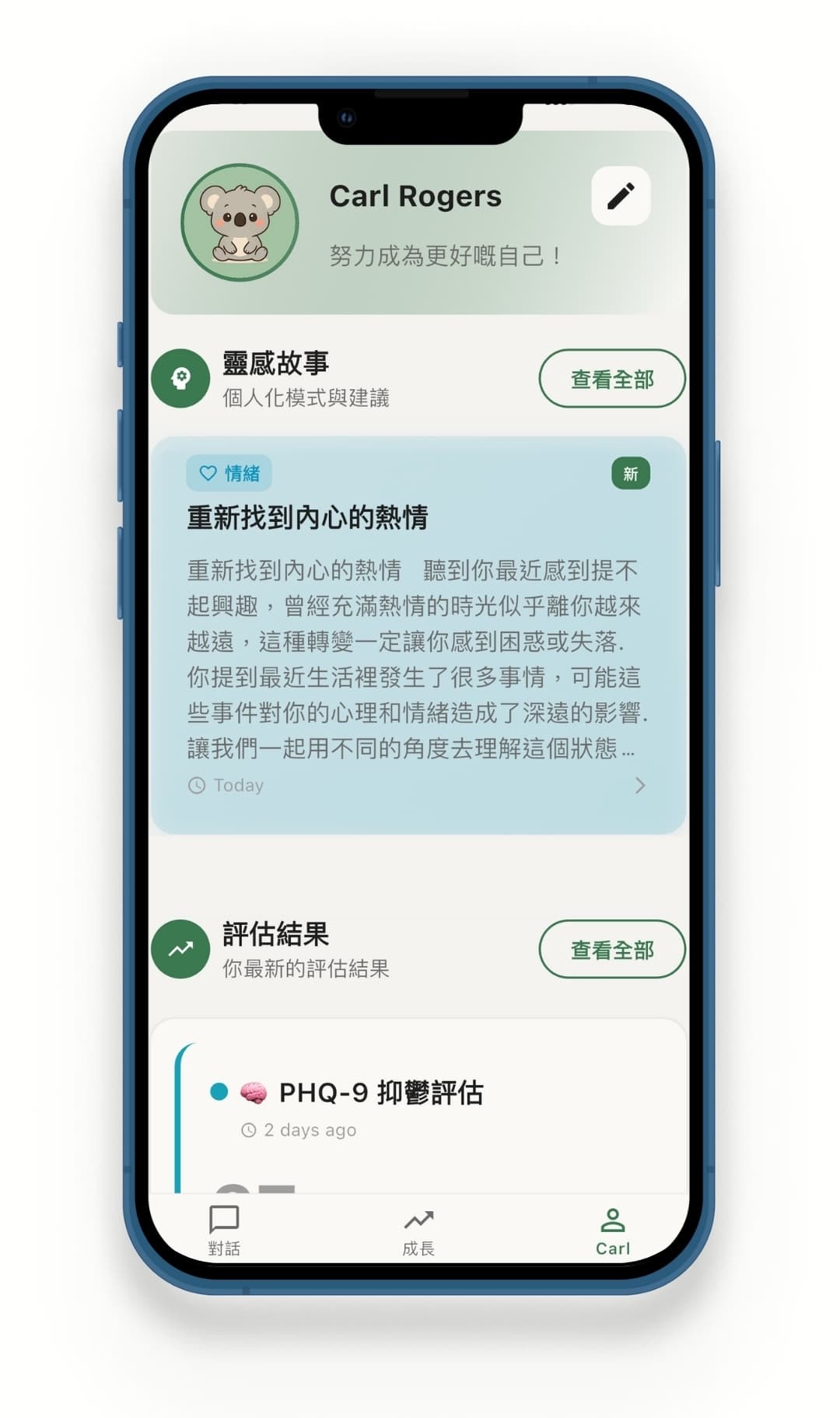
? MindForest App: find a sense of emotional belonging while you explore who you are
If you're in a period of self-exploration, or feeling uncertain about your own emotional orientation, then the MindForest App is a tool to support you.
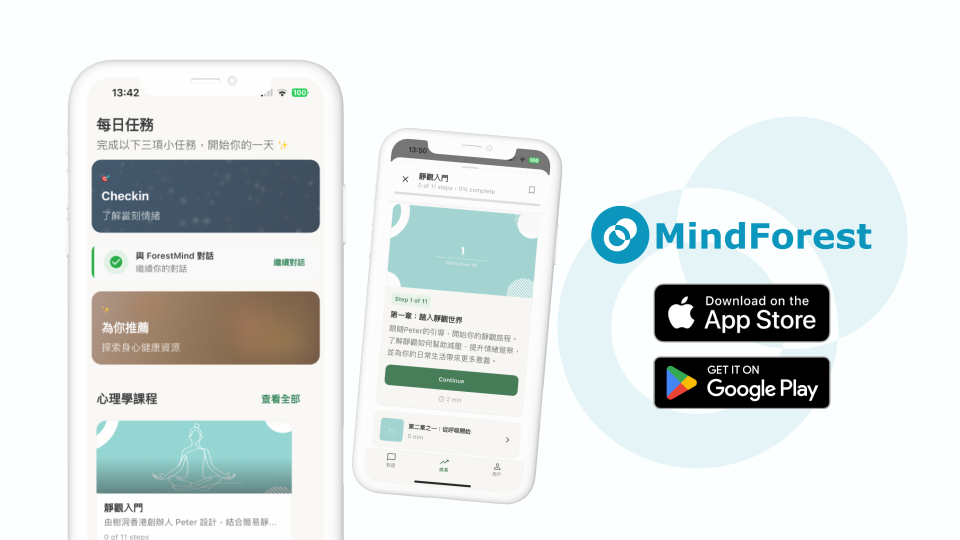
? ForestMind AI: your personal psychological-conversation coach
Through everyday emotional journaling and analysis of your interaction patterns, ForestMind AI offers you personalised suggestions, helping you clarify your emotional boundaries and inner needs, and easing the relationship stress that asexual people so often face.
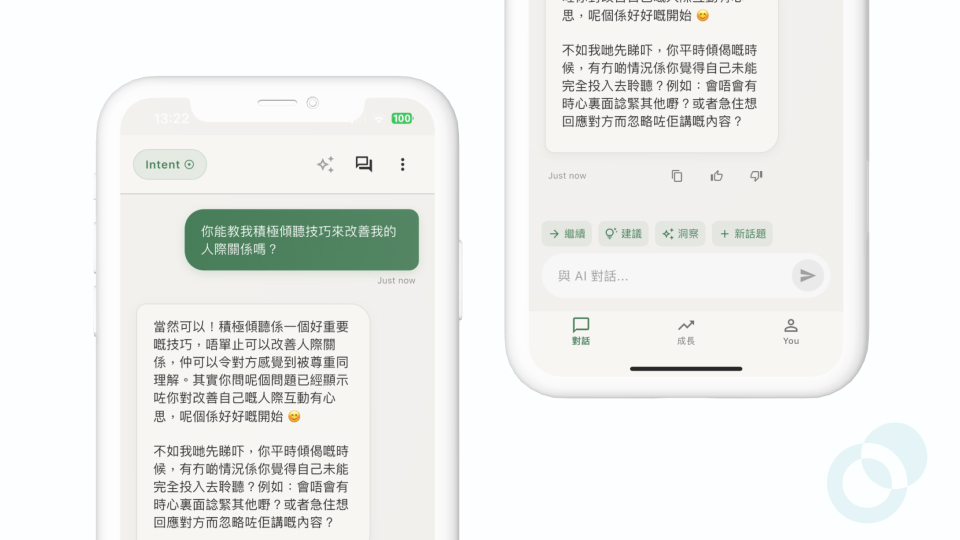
? Inspiration Journal: leave a note for your own feelings
Writing down a few words, an emotional ripple, or a fragment of thought each day is all part of connecting with yourself. Slowly, you'll come to see that you don't need anyone else to define you.
? Psychological assessments: see your personality and relationship style more clearly
The built-in psychological assessment tools can help you explore your personality and interpersonal style, giving you a little more reassurance on the road to understanding "who I am".
? Start your free MindForest trial now and begin your inner journey of healing
References
American Psychological Association. (2015). Guidelines for psychological practice with lesbian, gay, and bisexual clients. https://www.apa.org
Bogaert, A. F. (2004). Asexuality: prevalence and associated factors in a national probability sample. The Journal of Sex Research, 41(3), 279–287. https://doi.org/10.1080/00224490409552235
Decker, J. (2015). The Invisible Orientation: An Introduction to Asexuality. Skyhorse Publishing.
Yule, M. A., Brotto, L. A., & Gorzalka, B. B. (2017). Mental health and interpersonal functioning in self-identified asexual men and women. Psychology & Sexuality, 8(1–2), 61–74. https://doi.org/10.1080/19419899.2017.1319409

Comments
No comments yet — share your thoughts.