


What the silent treatment really means: silence is not calm, it is harm
The silent treatment is a common but often overlooked form of emotional manipulation. Unlike physical violence, it leaves no visible scars — yet it can deeply wound a person's psychological wellbeing and sense of self-worth. The silent treatment typically takes the form of "silence", "ignoring", "stonewalling" or "not responding": it is a passive means of control within a relationship (Williams, Shore, & Grahe, 1998).
How the silent treatment hurts: what stings more than a row is being ignored
It is not simply coldness or a quirk of personality — it is a deliberately chosen way of treating someone. Research shows that when a person is emotionally ignored by an intimate partner, the brain produces a response similar to physical pain, leading to symptoms such as anxiety, self-doubt and even depression (Feeney & Noller, 1990). This non-verbal form of rejection can feel more shaming and more like a betrayal than verbal abuse does.
The silent treatment is also widely regarded as a form of emotional manipulation or punishment, because it lacks any intent to communicate constructively, leaving the relationship trapped in an unequal power structure (Williams et al., 1998).
Being on the receiving end of the silent treatment is a wordless form of psychological manipulation
Psychologists hold that when the silent treatment becomes the norm, it erodes the victim's emotional stability and self-esteem (Shackelford, 2001). This is not merely a cold war; it is a systematic stripping-away of feeling that makes a person question their own worth and, over time, builds their sense of self entirely on how the abuser responds.
Within an intimate relationship, this kind of silent punishment can push the victim into an "anxious attachment" state — craving reassurance while being repeatedly rejected (Kirkpatrick & Davis, 1994).
The psychology behind the silent treatment: why do they choose to shut you out?
People who use the silent treatment may not be "indifferent"; rather, they lack the ability to express emotion, or they use silence to control the situation and avoid conflict (Babcock, Green, & Robie, 2004). This is not merely a communication breakdown — it is a strategy of psychological control.
Much of this behaviour often stems from a person's upbringing — having learned within the family to treat "going cold" as the way to resolve conflict, they then repeat the same pattern in their intimate relationships (Kirkpatrick & Davis, 1994).
Common psychological states in victims of the silent treatment: when you slowly lose yourself in love
People subjected to the silent treatment often show several of the following psychological responses:
- Self-blame and over-reflection: believing they must have done something wrong to make the other person angry (Feeney & Noller, 1990).
- Anxiety and unease: worrying every day about whether their partner is upset again, or trying to second-guess their shifting moods (Kirkpatrick & Davis, 1994).
- A lowered sense of self-worth: feeling unworthy of love and beginning to deny their own feelings (Shackelford, 2001).
These responses gradually erode a person's confidence and make them overly reliant on their partner's emotional reactions to confirm their own worth, ultimately trapping them in a vicious emotional cycle.
How should you handle the silent treatment? 5 steps to take right away
1) Stop making excuses for them: recognise that the silent treatment is abuse
Stop rationalising your partner's behaviour with "they're just cold by nature" or "they're probably just tired". Recognising that this is a form of emotional neglect and harm is the first step towards change (Babcock et al., 2004).
2) Express how you feel rather than apportion blame: help them understand that you are being hurt
Begin with "I feel…" to express your own emotions, instead of criticising your partner's behaviour directly. This lowers their defensiveness and makes it easier for them to understand the position you are in.
3) Watch whether they are willing to change: love is a two-way effort
If, after you have voiced your needs, your partner still keeps avoiding communication or chooses to go cold, then you must ask yourself: is this relationship truly healthy? Is it worth continuing to invest in?
4) Rebuild your sense of self-worth: you deserve to be treated well
Do more of the things that make you happy, spend time with the people who support you, and rebuild the self-esteem and strength that have been overlooked (Shackelford, 2001). Your worth has never needed someone else's response to define it.
5) Make a choice: is a relationship that causes you pain worth continuing?
If your partner is unwilling to change and disregards your feelings, then this relationship may have become a source of emotional drain. Love should nourish, not control.
The long-term effects of the silent treatment: you are not too sensitive — you are too uncared for
Many people, when faced with the silent treatment, begin to wonder whether they are simply too thin-skinned. But in fact your emotional reaction is normal — it is a natural response to the emotional deprivation of "being ignored" (Feeney & Noller, 1990).
Rather than waiting for your partner to change, it is better to find the courage to leave a relationship that leaves you feeling slighted. You deserve a relationship in which you feel safe, seen and loved. Silence is not peace, being ignored is not acceptance, and the silent treatment is not love.
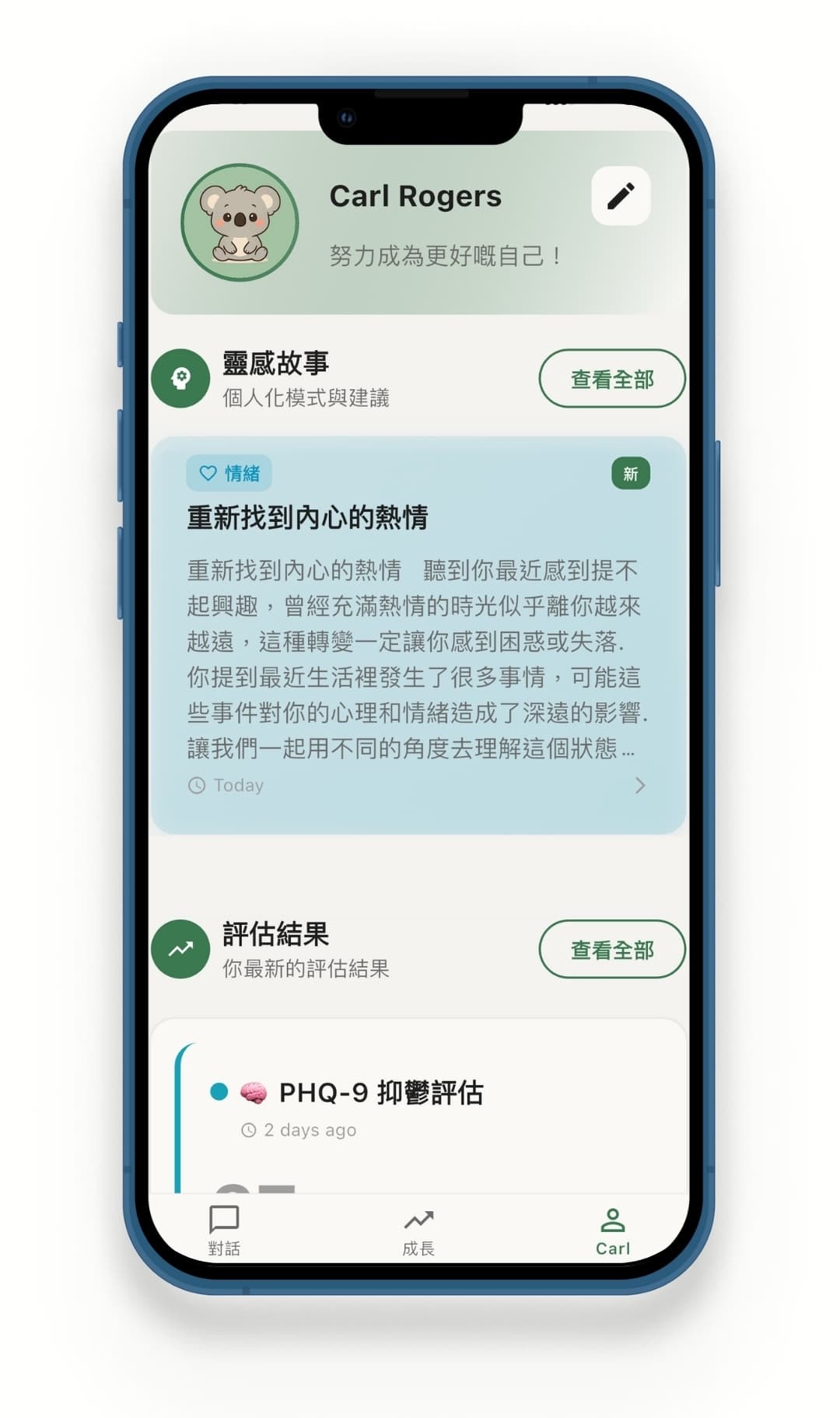
Explore the MindForest App: step out of the shadow of the silent treatment and find your inner strength again
The silent treatment is not as fierce as an argument, yet it can quietly wear away a person's confidence and emotional stability. With the MindForest App, you can reconnect with yourself, untangle your feelings, learn to set boundaries and reclaim your sense of psychological safety.

? ForestMind AI: emotional support amid the silent treatment
When you feel ignored or shut out, ForestMind AI can offer real-time suggestions based on your emotional state, helping you untangle your confusion and pain and keeping you company through those wordless, agonising moments.

? Insight Journal: write down the hurt and struggle hidden in the silence
In the Insight Journal, you can freely record every experience of being given the cold shoulder and how it made you feel, releasing pent-up emotions while gradually seeing the truth of the relationship more clearly and finding an outlet for yourself.

If you are facing emotional difficulties, the professional team at TreeholeHK can help — we offer psychotherapy and counselling services led by clinical psychologists, counselling psychologists and registered counsellors.
? Psychological assessment: understand your psychological responses to the silent treatment
With the psychological assessment tools, you can gain a deeper understanding of your own emotional mechanisms and sources of stress, build healthier ways of coping, and stop being at the mercy of someone else's silence.

Download MindForest now, so the silent treatment can no longer swallow up your emotions and your sense of worth. Let it accompany you as you rebuild your inner strength and move towards a relationship that is safer and more respectful.
References
Babcock, J. C., Green, C. E., & Robie, C. (2004). Does batterers’ treatment work? A meta-analytic review of domestic violence treatment. Clinical Psychology Review, 23(8), 1023–1053. https://doi.org/10.1016/j.cpr.2002.07.001
Feeney, J. A., & Noller, P. (1990). Attachment style as a predictor of adult romantic relationships. Journal of Personality and Social Psychology, 58(2), 281–291. https://doi.org/10.1037/0022-3514.58.2.281
Kirkpatrick, L. A., & Davis, K. E. (1994). Attachment style, gender, and relationship stability: A longitudinal analysis. Journal of Personality and Social Psychology, 66(3), 502–512. https://doi.org/10.1037/0022-3514.66.3.502
Shackelford, T. K. (2001). Self-esteem in marriage. Personality and Individual Differences, 30(3), 371–390. https://doi.org/10.1016/S0191-8869(00)00031-1
Williams, K. D., Shore, W. J., & Grahe, J. E. (1998). The silent treatment: Perceptions of its behaviors and associated feelings. Group Processes & Intergroup Relations, 1(2), 117–140.






Comments
No comments yet — share your thoughts.