Change Sticks When People Feel in Control
Luca Fong, Managing Director at Accenture Song, has guided countless companies through digital transformation. He shares why so many change efforts fail — and how leaders can build resilience by putt…
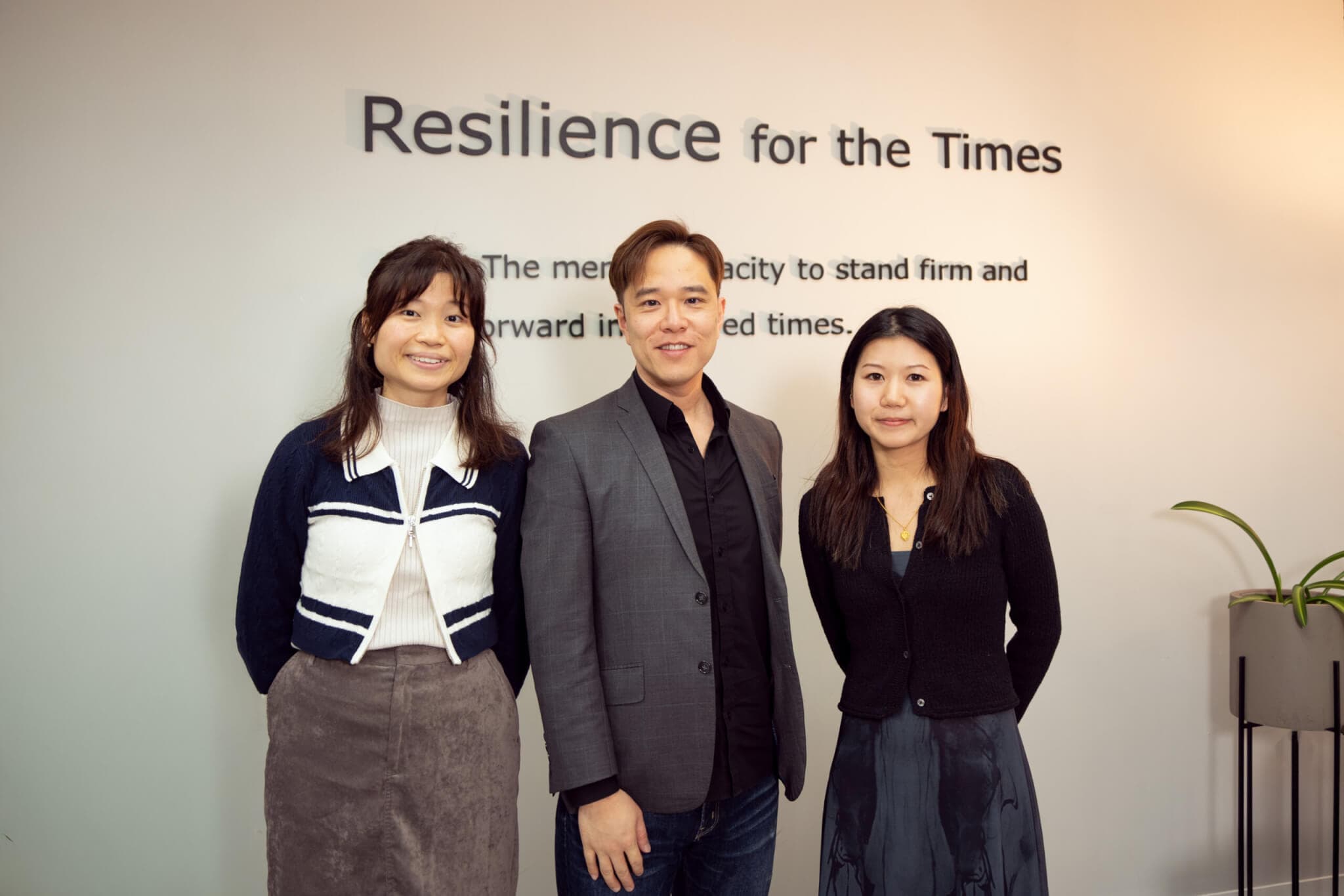
Luca Fong, Managing Director at Accenture Song, has guided countless companies through digital transformation. He shares why so many change efforts fail — and how leaders can build resilience by putt…

About the "Building Resilience for the Times with __" series
TreeholeHK is committed to making psychology accessible, so that you can draw strength from knowledge and live with resilience in an era of change. We sit down with business leaders to learn how seasoned figures across industries actively meet the challenges of the times in their daily work. Through their real-world stories, we hope to help build team resilience across every sector. In a world that changes in an instant, let us bring together psychology and business wisdom to achieve sustainable growth for organisations.
Today's business environment is changing at breakneck speed. Being able to adapt to the market and respond effectively is the bare minimum; to keep succeeding, organisations must be resilient, proactive and willing to take the initiative. Yet knowing is easy and doing is hard. Many companies find themselves overwhelmed when driving change, stalling in place or seeing morale take a serious hit.
"The hardest part of driving change is accounting for human nature and your colleagues' motivations at work, so that they genuinely connect with the change." Luca Fong, Managing Director of Accenture Song, gets straight to the point about why so many corporate change efforts fail: they overlook the need to understand human beings.
"Take, for example, when we're driving sustainability initiatives — we often forget to understand the needs behind each stakeholder. Companies, employees and customers each have their own considerations, and without a shared focus, expectations fall out of alignment," Luca says.
For management to build a resilient team, the first step is to understand human nature. Many projects fail not because they lack innovation, but because they fail to earn the genuine buy-in and resonance of the people they affect — the sense of disconnect runs deep.
For change to succeed and take root, we need a comprehensive strategy that builds resilience at both the organisational and the individual level (Kim, 2021). An organisation's resilience is closely tied to its employees' resilience; put another way, an organisation's strength and adaptability are a direct reflection of its workforce's resilience (Liang & Cao, 2021).
Change Management: StrategyA company's resilience is not merely about surviving and "hanging in there", but about growing stronger through change — learning in the face of adversity and emerging tougher with every setback.
Luca shared his experience of helping many companies through digital transformation. He points out that effective change management goes far beyond simple training, writing proposals and official communications; in reality it involves a deep, genuine care for and consideration of every stakeholder, and a thorough understanding of the needs at every level within the organisation. For instance, he makes sure stakeholders stay continuously involved, keeping in regular contact with employees and explaining in detail the value and impact of the change.
TreeholeHK deeply shares Luca's view. In providing training and psychology consulting services to teams across industries, we have observed that many companies lack full stakeholder participation, with poor cross-departmental and cross-level communication, leaving employees in the dark and making change difficult to advance step by step.
Research shows that companies which strategically combine employee resilience with organisational resilience are 2.5 times more likely to succeed at disruptive innovation than other companies (Liang & Cao, 2021) — proof that ensuring alignment between individual and organisational goals is vital to cultivating resilience in both.
Luca's recommendations:
• A remedy for relieving pressure: Introduce a feedback mechanism and allow for the unknown – "Leaders need to be able to accept uncertainty, and to allow question marks to exist," Luca says. Establishing a feedback mechanism helps you adjust your strategy in real time, ensuring the company stays closely attuned to the current economic climate. • Let colleagues feel a sense of dignity at work: As leaders, our role is to stay transparent — to earn trust, reassure and guide our followers, helping align their direction with the company's goals. The economic headwinds of 2025 are formidable, and companies may make decisions based on data alone – but at the same time, whether colleagues feel a sense of dignity at work, and whether they have work-life balance, are questions that should be given priority. • Lead with customer experience: Humans are naturally resistant to change, and designs that understand human nature are more easily accepted. By aligning strategy with the real needs of the target audience, we can bridge the gap between the ideal and the reality during a transformation.
Reporter's Notes
Luca has a wealth of experience in digital transformation and has helped many companies transform successfully. In this interview, he shared one management philosophy that left a deep impression on me: making colleagues feel a sense of control.
At TreeholeHK, we often hear from managers asking: why do colleagues always pay lip service to change? When team morale is low, how should we respond?
Luca's advice is both practical and thought-provoking: "If you bring your colleagues into the discussion at an early stage, give them the chance to voice their opinions, and genuinely take their feedback into account, they'll feel they are part of the solution rather than passive recipients. That way, everyone feels the change is a choice made together, and naturally they won't resist it so much."
Luca's perspective cuts right to the heart of the matter, offering managers a clear line of thinking and showing just how important it is to be "people-centred" in digital transformation.
We are deeply grateful to Luca for being the first guest in this interview series — his experience and insights have given us so much to reflect on!
(Eng)
About "Building Resilience for the Times with ___"
This is a series showcasing veteran business leaders who are supportive and joining day-to-day at work building resilience for the times, with their passion and experience, active in their industries.
Some build resilience through innovation, some build resilience with empathy. In face of unknown tides, they share their real cases of ups and downs and give us, the fellow travellers in this VUCA world, the guidance of wisdom, from the lens crossing psychology and business.
We are delighted to have Luca Fong, the Managing Director of Accenture Song, to share his views on how to build resilience while remaining human during these times of change.
In the current business environment, the ability to adapt and respond effectively to market shifts is paramount for sustainable success. As leaders, we build resilience within our organizations to navigate these changes adeptly.
“The main challenge lies in aligning initiatives with human nature and motivations,” Fong remarks. “It’s important to consider the basic human elements and relevance to the people involved when advancing efforts.”
“Often when promoting environmental initiatives, we forget to understand the underlying human needs. There is a relevance gap between the company, its employees, and its customers, resulting in misaligned expectations,” says Fong.
Indeed, to foster resilience, it is essential to understand the human aspect of change management. Often, sustainability initiatives falter not due to a lack of innovation, but because they fail to resonate with the people they aim to influence. This disconnect stems from a relevance gap between the company’s intentions and the stakeholders’ expectations and needs.
Addressing this gap requires a holistic approach that fosters resilience at both the organizational and individual levels (Kim, 2021). Organizational resilience is intrinsically linked to the resilience of its employees, suggesting that the strength and adaptability of an organization are a direct reflection of its workforce’s resilience (Liang & Cao, 2021).
Resilience in business is not merely about survival but thriving through changes and learning in the face of adversity.
Fong shared his experiences and insights regarding helping organizations navigate change. Effective change management extends beyond mere training, planning, and communication. It encompasses stakeholder management, which requires a deep understanding of the various needs across the organizational spectrum. Frequent engagement and articulation of the value and impact of change ensure ongoing commitment and minimize resistance.
We share Fong’s perspective. As a provider to numerous industries and companies, we have observed that many organizations struggle with effective change management, often due to a lack of comprehensive stakeholder engagement and cross-level communication.
According to a recent study, organizations that integrate employee resilience with organizational resilience strategies are 2.5 times more likely to thrive through disruptive change (Liang & Cao, 2021). This finding underscores the importance of aligning individual and organizational resilience efforts.
As we push forward, we must come to the realization that resilience is not just a defence against hard times, but a proactive stance to ensure not just survival but flourishing in turbulent times. Luca’s sharing and research both pointed to the importance of aligning individual and organizational resilience; through doing so, we build a strong foundation to face any future challenges in store, and make sure that no waves would get to us.
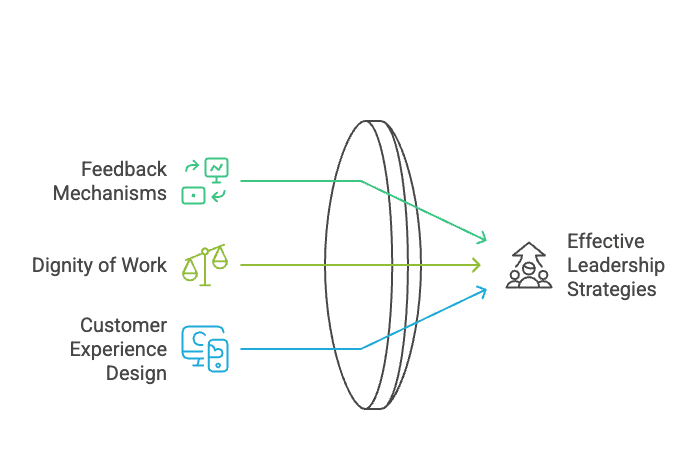 Luca shared his top tips of building resilience within the organization: feedback mechanisms, dignity of work, and customer experience design.Involve feedback mechanisms to reduce stress : “It is essential for leaders to be comfortable with uncertainty and it is okay to have question-mark,” smiles Luca.Feedback mechanisms help in adjusting strategies in real time, ensuring they remain relevant as economic and environmental conditions evolve.Embrace The dignity of work: As leaders, our role is to comfort and guide our followers through transparency and by helping align their directions with the organization’s goals.The dignity of work and life balance should be a priority, especially in challenging times like the financial downturn anticipated in 2025, when many organizations may make decisions based on data alone.Leveraging Customer Experience Design: Understand the natural tendencies of humans to resist change and design initiatives that are more likely to be embraced.By aligning strategies with the actual needs and desires of our target audiences, we can bridge the gap between digital transformation aspirations and practical, on-the-ground needs.
Reporter Observation
Luca is a veteran in helping organizations drive digital transformation. What impresses me most is the autonomy he advocates: make your colleagues feel in control.
At TreeholeHK, we often receive questions e.g. Why colleagues are so reluctant to change? Why is there a lack of morale?
Luca offers practical advice to managers: “If you include your colleagues in the discussion at a very early stage, they can give feedback and participate in the process, they will feel that they have a part to play in creating the solution, and that we are all going to choose together, and then the colleagues will not be too resistant to the change.
Thank you very much to Luca for taking the time to be the first in this interview series!
Recommended for you

A great deal of psychological research shows that to let go of a fragile, perfectionistic mindset, you first have to start by understanding yourself. From there, you can build resilience across the team, weather any storm in the market and grow stronger with every challenge. With this in mind, TreeholeHK has launched the Team Mind Resilience Training programme, a full year of learning and hands-on activities.

The way we think can determine whether we stay down after a setback or rise to meet the challenge. Through games and exercises, we share with participants the growth mindset proposed by psychologist Carol Dweck, helping them learn to stay resilient in adversity and build a more positive atmosphere at work and in life.
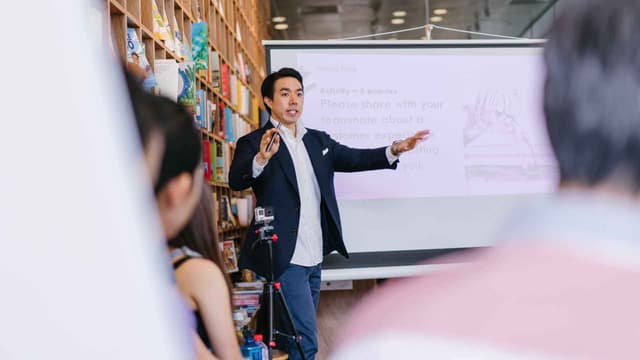
This training programme provides comprehensive management psychology knowledge, helping participants build outstanding leadership skills. Participants will learn how to cultivate psychological safety within a team, situational leadership models and different leadership feedback techniques, so that they can flexibly apply different leadership styles and communication approaches to manage their direct reports.
Keep reading
Workplace
Workplace
Workplace


Comments
No comments yet — share your thoughts.