When Being the Smartest Person Feels Lonely
Exceptional intelligence often comes with social and emotional hurdles that brilliance alone can't solve. Here are four practical pieces of advice to help gifted adults thrive at work, build meaningf…

Want to understand psychology more deeply?
Exceptional intelligence often comes with social and emotional hurdles that brilliance alone can't solve. Here are four practical pieces of advice to help gifted adults thrive at work, build meaningf…
Keep reading
Discover more
Gifted people, blessed with outstanding talent and intelligence, often run into social and emotional challenges. Take Anna, a 27-year-old software engineer praised for her exceptional problem-solving and her ability to learn quickly. Despite her remarkable abilities, she still feels distant from her colleagues, and her friends struggle to understand her — which leaves her feeling lonely. This article aims to offer practical, workable advice for gifted adults like Anna, helping them achieve success in their careers, build meaningful relationships and enjoy a rich and varied life.
First, we should recognise that giftedness is itself a natural gift, not the product of personal effort. In English, the word "gifted" usually refers to people with an IQ above 130, which places them in the top 3% of society intellectually (Lally & Valentine-French, 2019). This has sparked the debate over whether IQ is determined by genes or by environment. A large body of psychological research indicates that genes have a significant influence on how IQ is formed, though environmental factors may also play a part.
In short, giftedness is to a large extent an innate advantage, and not necessarily something to take excessive pride in. If anything, learning new skills through your own effort may be something more worth taking pride in.
Gifted people need to recognise that they belong to a minority within the wider population. Although they sometimes learn faster, finding the right social circle is often not easy. If your IQ is above 130, then you are counted as a genius among the population as a whole, in the top 3%.
This figure means that most of the people you meet may have a lower IQ — but being gifted does not mean you are superior to others. Abstract concepts may come easily to you, and may even spark your interest in philosophy or mathematics, yet the average person will not necessarily share the same passion.
Gifted people need to understand that expecting others to think the same way they do, simply because of their own intellectual advantage, can lead to social difficulties.
The third piece of advice is that, beyond intellect, gifted people also need to develop other practical skills, such as interpersonal interaction and emotional management — these are vitally important for gifted people. The psychologist Maslow has a famous saying: "When the only tool you have is a hammer, everything looks like a nail." (Maslow, 1966, p.15) This line underscores the importance of intellect in the knowledge economy.
Many gifted people perform brilliantly in academic settings, yet may face difficulties socially. This kind of imbalance can throw their lives off balance, leaving them to neglect other important areas such as emotional management and relationships. Gifted people need to be aware that, important as their intellect is, it cannot cover all the skills life requires.
For gifted people, it is crucial to avoid letting intellect dominate their personal growth. The key is to find the point of balance between cognitive strengths and emotional and social intelligence, and this often calls for genuine understanding gained by working through various difficulties. All-round growth is indispensable to enjoying a rich life.
Gifted people possess outstanding cognitive abilities that can be put to use in serving society. Their unique talents in areas such as analytical thinking and problem-solving allow them to contribute to every industry. This not only lets them realise their potential, but also makes an important contribution to the progress of society as a whole.
Gifted people should actively seek out careers that both draw on their intellect and bring a positive impact to society — for example, scientific research, the development of innovative technology, or policy reform. Their curiosity can be satisfied in these fields, and they can achieve far more.
Through this kind of effort, gifted people can not only realise their own abilities, but also become an important force driving social progress.
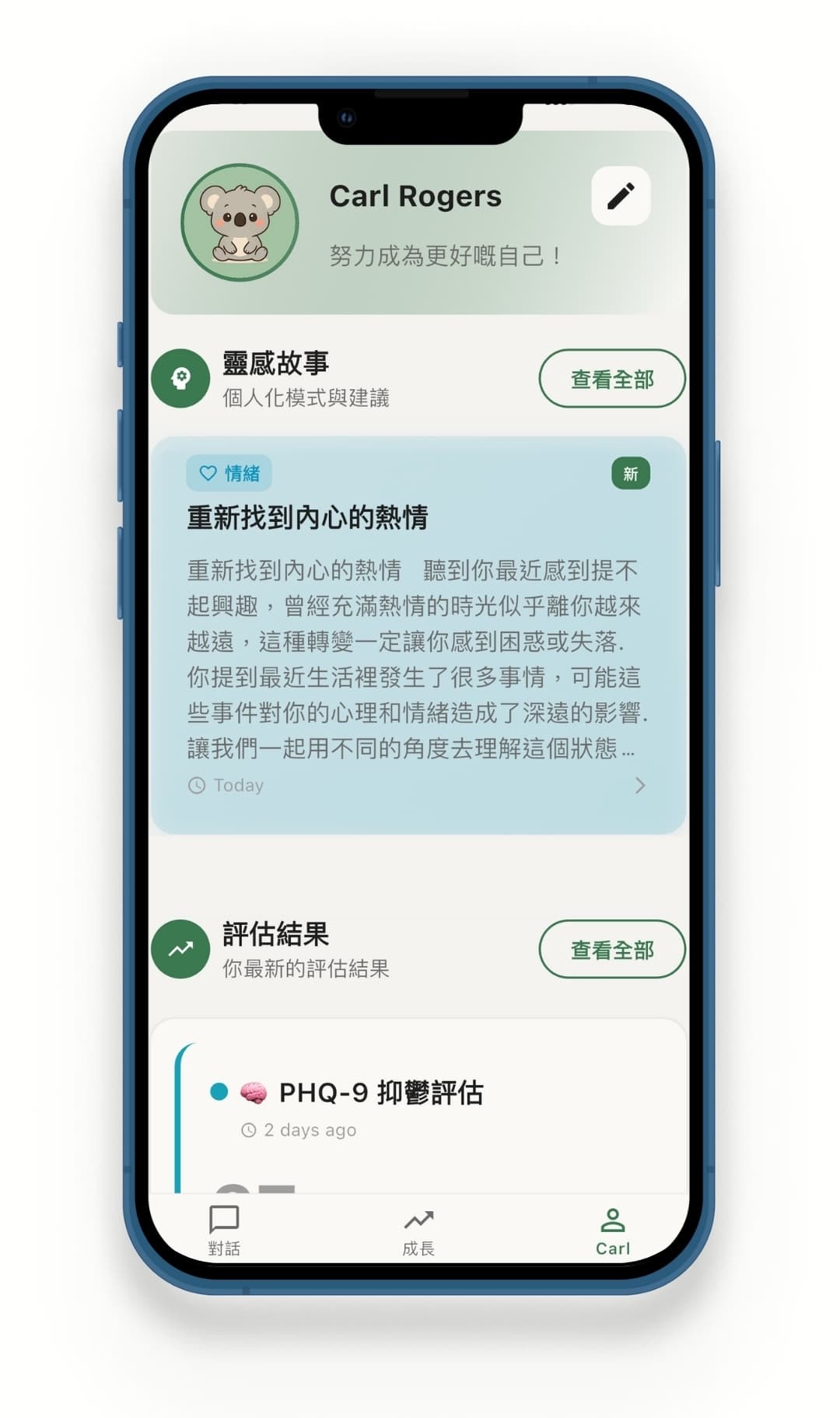
MindForest is an innovative AI app that helps gifted people face the challenges they encounter in their personal and professional development.
1) Interactive psychology courses: Our courses are designed to build psychological resilience and emotional intelligence, helping gifted people handle the emotional ups and downs and social difficulties they commonly face, with practical exercises to strengthen emotional regulation and interpersonal communication.
2) AI guide: The app comes with an AI guide that offers personalised advice, helping users make full use of their talents and achieve balance in life.
3) Inspiration journal: This feature lets users record their thoughts and experiences to deepen self-awareness, helping them identify their personal strengths and room to grow.

MindForest gives gifted people the tools they need to meet their unique challenges, strengthen their psychological resilience and succeed in every area of life.
Gifted people should embrace their exceptional talents without fear, while staying humble. This path may come with emotional and social challenges, but through continual practice and self-reflection, those challenges can all be overcome. Remember that your talents are not only for pursuing personal achievement — they can also bring benefit to society. The world needs your insight and your ability to solve problems in order to face complex challenges. Stay grounded, make good use of your gifts and contribute actively to society, and you will be able to enjoy a rich life that both realises your own ideals and inspires others.
References
Lally, M., & Valentine-French, S. (2019). Lifespan development: A psychological perspective. Lally, Martha and Valentine-Fench, Suzanne.
Maslow, A. (1966).The psychology of science. New York, NY: Harper and Row.

Personal Growth
Personal Growth
Personal Growth






Comments
No comments yet — share your thoughts.