Why We Believe Doomsday Predictions
A rumour that a major earthquake would strike Japan in July has spread widely online, yet it has no scientific basis whatsoever. So why do so many people believe it without question? The answer lies …
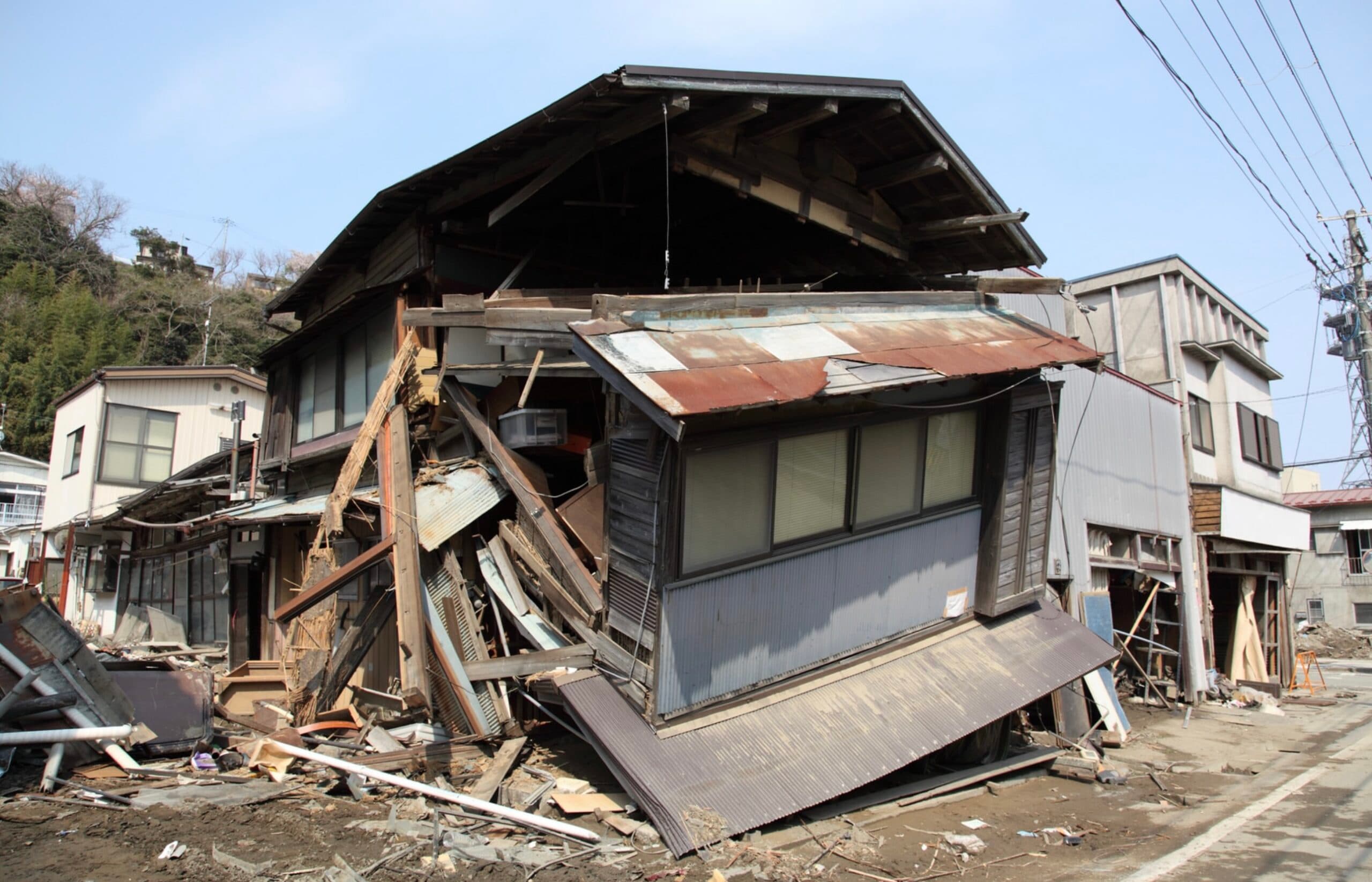

A rumour that a major earthquake would strike Japan in July has spread widely online, yet it has no scientific basis whatsoever. So why do so many people believe it without question? The answer lies …
A rumour has been circulating lately that a major earthquake will strike Japan in July. Plenty of people have been sharing the advice to hold off on travelling to Japan until July passes, and flights to Japan have even become cheaper than usual as a result. In fact, this rumour stems from Ryo Tatsuki's manga The Future I Saw, published in 1999, which records a "prophetic dream" of an earthquake striking Japan at 4:18 am on 5 July 2025, bringing catastrophic devastation in its wake — and it has sparked heated discussion online. In reality, this earthquake rumour has no scientific basis whatsoever, and no expert has put forward any such prediction. So why are so many people utterly convinced by it?
For many people, the first thing that comes to mind when Japan is mentioned is "earthquakes" — and this stereotype did not form by chance. Japan sits on the Pacific Ring of Fire and is indeed a country where earthquakes are frequent. What is more, major earthquakes in its history — such as the Great Kantō Earthquake of 1923 and the Great East Japan Earthquake of 2011 — are deeply etched into the public's collective memory. As a result, when we see a headline like "Japan earthquake prophecy" in the media, we tend to link this stereotype with the information without even realising it, judging an earthquake in Japan to be entirely plausible — and so we readily believe the July prophecy.
Fear is also a major factor in why people so readily accept unverified prophecies. Fear is an intense emotion, capable of rapidly altering a person's behaviour and decision-making (Paton et al., 2008). The dual-pathway model proposed by neuroscientist LeDoux (LeDoux, 1996) bears this out: fear-related information bypasses the prefrontal cortex, which governs rational thought, and goes straight to the amygdala, the seat of our instincts. So when words like "catastrophic earthquake" appear in a rumour, the amygdala in our brain may well shift into a state of alarm, bypassing the prefrontal cortex and triggering our survival instinct directly.
This is especially true for groups who have lived through disaster or are vulnerable to its threat — survivors of Japan's 311 earthquake, for instance. Their sensitivity to threat tends to be higher than average, and they are prone to an acute reaction to earthquake warnings. As a result, even while knowing the prophecy's credibility is questionable, the brain still follows the survival rule of "better to believe it than not" and chooses to believe the prophecy — much as a person who sees the grass stir will assume there is a snake there first, in order to protect themselves.
From a psychological standpoint, this "better to believe it than not" mindset is related to confirmation bias. People tend to accept information that aligns with their existing views, while ignoring or questioning evidence that contradicts them (Nakayachi et al., 2019). So once someone already believes that a major earthquake will strike Japan in July, any information related to this — for example "animals have been behaving strangely lately" or "the well water suddenly turned murky", regardless of whether it is true — will be seen by them as "evidence", further reinforcing their belief.
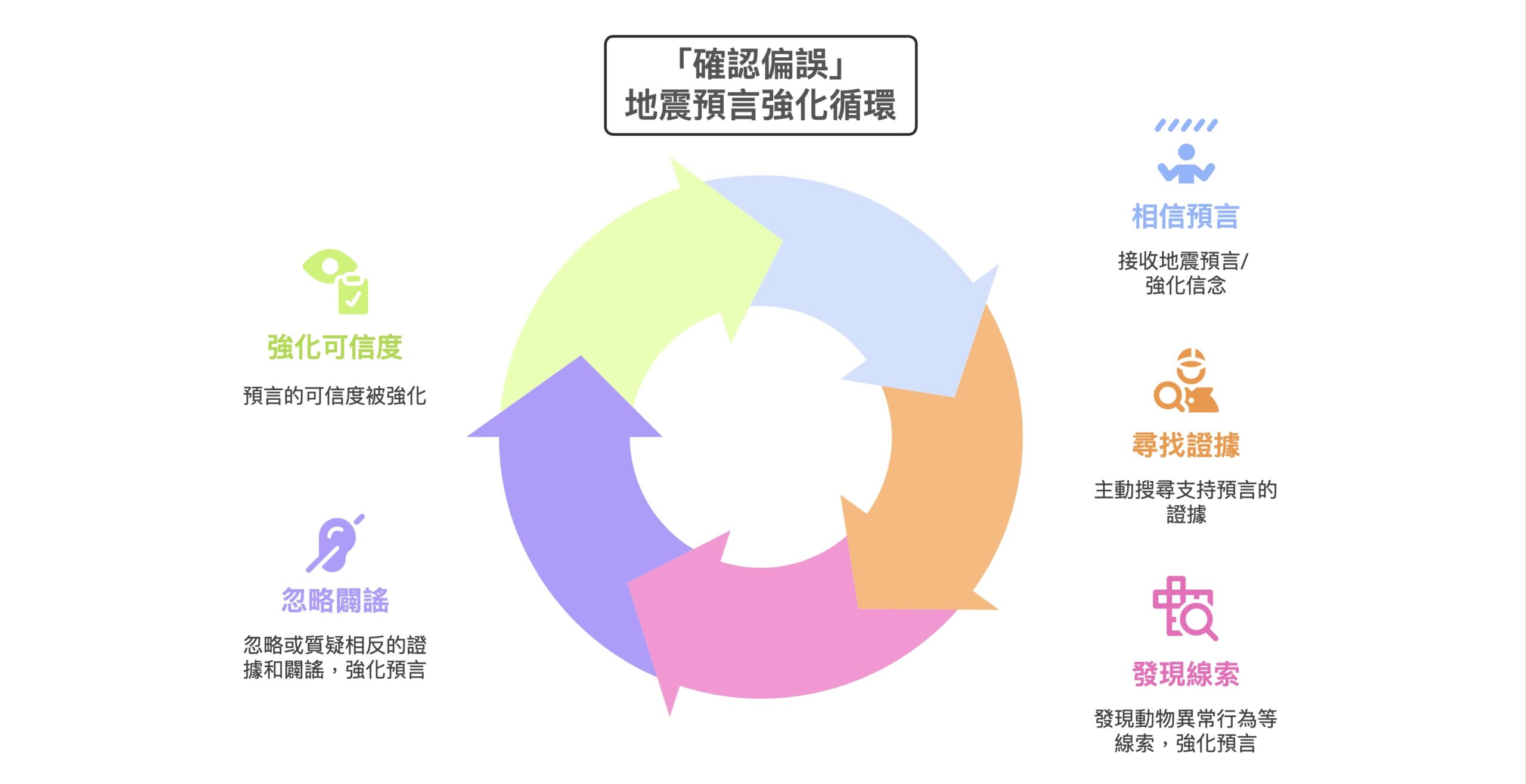
The "confirmation bias" earthquake-prophecy reinforcement loop
What is more, the phenomenon of probability neglect points to how people often greatly overestimate the likelihood of extremely rare events, leading to skewed decision-making (Kahneman, 2011). Just as people often worry about a plane crash when flying yet disregard the risk of a car accident on an ordinary day, because an "earthquake" carries greater impact, the human perceptual system is liable to misjudge its likelihood of occurring. For example, a Nankai Trough earthquake has roughly a 70% chance of striking within 30 years, but the brain translates this into "it could go off at any moment". On top of that, when a prophecy is pinned to a specific time, a concrete doomsday image is all the more likely to overwhelm abstract statistical figures. As a result, even though the prophecy lacks scientific basis, people still overestimate the likelihood of an earthquake occurring.
Beyond this, in the age of social media, information spreads far faster than we can imagine. A tiny rumour can sweep across an entire network within minutes. Even though this "prophecy" lacks scientific basis, because the rumour concerns life safety, it readily draws public attention and panic — and under the algorithmic mechanics of social media, it then has a far greater chance of being recommended to more people, shaping the perception of society as a whole. This effect makes people, when faced with an unknown natural disaster, all the more prone to falling into blind panic rather than rationally assessing whether the information is true.
To sum up, the readiness to believe earthquake prophecies involves stereotypes, the psychology of fear, cognitive bias and the influence of social media. These psychological phenomena not only explain why we are so easily drawn to certain rumours, but also remind us to stay rational when faced with disaster-related information.
If you are intrigued by these psychology phenomena and want to understand the patterns of human thinking and the motivations behind our behaviour more deeply, why not join our specially designed Fundamentals of Psychology course. The course covers the core theories of psychology and their practical applications, helping you try out different psychological theories in everyday life to respond to different situations and analyse different pieces of information.
References
Kahneman, D. (2011). Thinking, fast and slow. Farrar, Straus and Giroux.
LeDoux, J. E. (1996). The emotional brain: The mysterious underpinnings of emotional life. Simon & Schuster.
Nakayachi, K., Yokoi, K., & Oki, S. (2019). Perceptions of earthquake risk and preparedness: Comparison between Japan and the United States. International Journal of Disaster Risk Reduction, 41, 101282. https://doi.org/10.1016/j.ijdrr.2019.101282




Comments
No comments yet — share your thoughts.