What Travel Does for the Restless Mind
Few people on earth travel as obsessively as Hongkongers — and there may be good reason for it. Seen through the lens of psychology, what does getting away actually do for us?
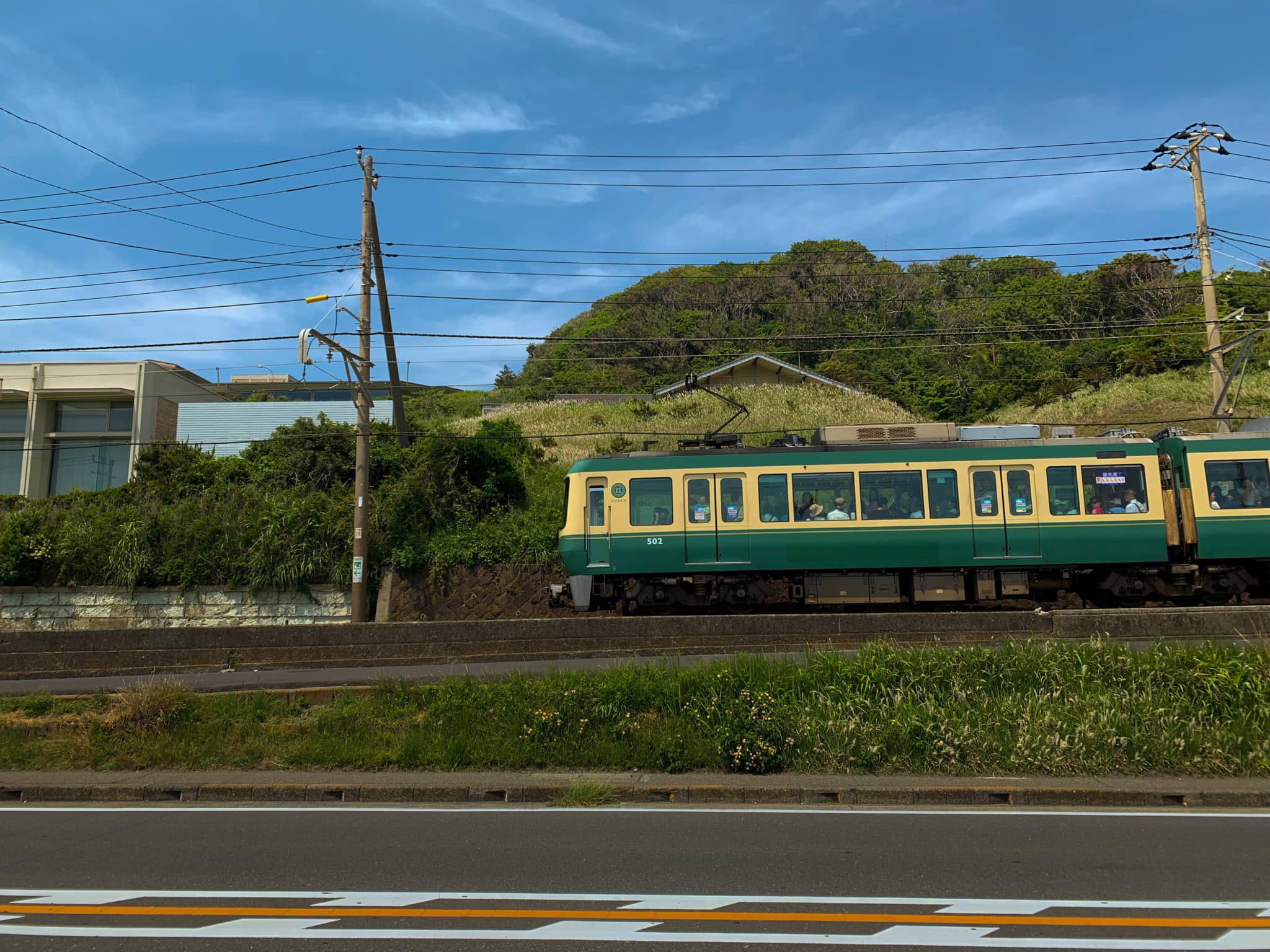

Few people on earth travel as obsessively as Hongkongers — and there may be good reason for it. Seen through the lens of psychology, what does getting away actually do for us?
When it comes to travel, I reckon Hongkongers are about the most obsessed people on earth. The city is cramped, crowded and high-pressure, so come every holiday we bolt overseas to comfort our souls and let ourselves unwind. Everyone sees travel differently: some chase one sight after another (and come home more exhausted than when they left), some spend the whole trip lounging by the hotel pool doing nothing, fully switching off, while others use the journey to reflect on life and gather a little energy for the spirit. So — looked at through the lens of psychology, what good does travel actually do us?
.
First. Travel relieves stress (well, who doesn't know that!). Our daily lives are crammed with far too many stressors, with different people and problems doing our heads in every single day. Going somewhere different actually gives the brain a chance to take in different stimuli — a chance to "break the patterns". In ordinary life, our days are governed by a host of environmental cues, and our brains are unconsciously shaped by these same cues (the identical commute to and from work or school day after day, the home environment, and so on). The brain's habit system instinctively produces habitual responses, which is to say the brain runs on autopilot. So you'll find that the same routine, day in and day out, can feel deeply deadening and easily wear away at your drive. Through travel, we feed the brain a fresh set of environmental cues; faced with new information for which the corresponding network of habitual responses hasn't yet formed, the brain comes more "alive" as it processes things — and your mood comes "alive" along with it.
.
Second. Travel is a process of "role experimentation", a process of finding yourself. What does finding yourself mean? It means understanding who you are — what you like and dislike, what goals you have for the future, what you want to do. Not knowing which path you should take is what psychology calls identity diffusion. A solid sense of identity is vital to a person's future development, and matters a great deal to their psychological wellbeing too. Through travel, by going somewhere unfamiliar, we get more me time to connect with our innermost selves; we get a chance to tend to the spirit we so badly neglect in the rush of everyday life. By spending time alone with yourself thinking things through, you may find yourself mulling over questions you'd otherwise never touch. And the experience of travel may well open up new perspectives and new interests — perspectives and interests that could end up steering the course of your life. For instance, you go diving abroad, fall head over heels for it, and from that point resolve to make diving your life's work.
.
If your time and budget allow, why not get out and see more of the world — you may come back with gains you'd never have imagined.
.
So where's your next destination?
Author – Lo's Psychology, reproduced with permission title and content may be lightly edited
Ph.D in Psychology, Department of Psychology, The University of Hong Kong
Ph.D in Psychology, HKU

文化遺產
我经常计划, 能像你们一样多旅行。感谢激励。




Comments1 comment