


Why are we talking about the "toxic woman"?
The label "toxic woman" often sparks fierce debate online: some see it as a prejudice against women, while others feel it finally puts an uncomfortable truth into words. But if we step back and calmly examine the underlying nature of "toxic" behaviour, we find psychological traits and social phenomena worth noticing — regardless of gender.
This article is not meant to attack any gender. Instead, it hopes to draw on psychological research to help everyone better understand the manipulative behaviours and psychological tendencies we may encounter in relationships, and in doing so, strengthen our self-protection and psychological awareness.
Both men and women can be toxic — but not in the same way
It is not only men who behave in "toxic" ways; women can display hurtful behaviour too — they just tend to do it differently. Research indicates that when it comes to expressing hostility, women lean more towards using "relational aggression", such as isolating others, forming cliques, and spreading rumours (Crick & Grotpeter, 1995).
By contrast, male hostility more often takes the form of physical or verbal aggression, such as arguing or fighting (Archer, 2004). These differences do not mean one gender is worse than the other; they reflect the different tendencies that gender brings to social style and psychological expression.
The Dark Triad: the psychological roots of being "toxic"?
If we look deeper into the psychological causes of the "toxic woman" from a psychological standpoint, we cannot overlook the **"Dark Triad": Machiavellianism, narcissism and antisocial personality.
Research has found that, overall, women tend to score lower than men on these three traits on average; but when they do possess them, the way they express them is usually more covert, often carried out through emotions and interpersonal relationships (Jonason & Webster, 2010).
For example, a woman with Machiavellian tendencies may not confront others head-on, but instead achieve her aims through indirect means such as strategic scheming and steering public opinion.
Social capital: why does she always hold the moral high ground?
Have you ever seen this scenario play out: after a breakup, the woman posts online and quickly gathers a wave of support, while the man becomes a byword for being "cold-blooded and selfish"? This may also have something to do with gender differences in "social capital".
Research indicates that women are generally more adept than men at building and maintaining interpersonal relationships, and are also better at deploying emotional language and community resources (Caldwell & Peplau, 1982). This means that on social platforms, women are often able to craft a more persuasive image as the injured party, thereby shaping which way public opinion turns.
This does not mean women are naturally inclined to manipulate; rather, it points out that in certain situations, if such an advantage is abused, it can also cause enormous harm to the other party.
Relational aggression doesn't just hurt — it's also easily overlooked
"She only said something nasty to me — is it really that serious?" Many people downplay how damaging relational aggression can be. Yet research has found that the impact of relational aggression on mental health is on a par with physical violence, and may even last longer (Prinstein et al., 2001).
This kind of emotional manipulation and interpersonal pressure gradually erodes a person's self-esteem and sense of security, leaving them trapped in isolation and self-doubt. When we talk about the "toxic woman", the point is not to label the other person, but to recognise these hidden forms of psychological violence and to have the courage to set boundaries.
Don't let gender become an excuse for masking the real problem
When we discuss these behaviours, we often unconsciously fall back on stereotypes like "she's a woman, how could she do this?" or "he's a man, so he must be at fault". But this kind of gendered interpretation usually only deepens the divide and does nothing to solve the problem.
Toxic behaviour is, in essence, about manipulation and harm, and can happen regardless of gender. What truly matters is whether we can recognise the impact these behaviours have on individuals and relationships, and learn to identify and protect ourselves — rather than getting stuck in the dead end of gender discrimination or mutual blame.
4 traits that suggest the other person may be a "toxic woman"
Not every woman who seems sweet and likeable on the surface is a safe person to be with. If you sense the following signs in a relationship, it may be worth raising your guard:
- She always plays the victim in front of you, but turns around and spreads your secrets.
- She keeps you away from friends and family, yet claims it's for your own good.
- You always feel like you're the one in the wrong, but she never apologises.
- She is skilled at manipulating your emotions, making you feel guilty, dependent or full of self-blame.
Behind these behaviours often lie manipulation and an imbalance of power, and they can cause long-lasting harm to your mental health.
In closing: come back to the behaviour itself, not the gender
At the end of the day, what we need is not a little more hatred towards "toxic men" or "toxic women", but a deeper understanding of the psychological and social roots of toxic behaviour.
Every one of us could become a victim, and could also unknowingly become a perpetrator. Only by focusing on "the behaviour itself" rather than "gender" do we stand a chance of building healthier, more respectful and more equal intimate relationships.
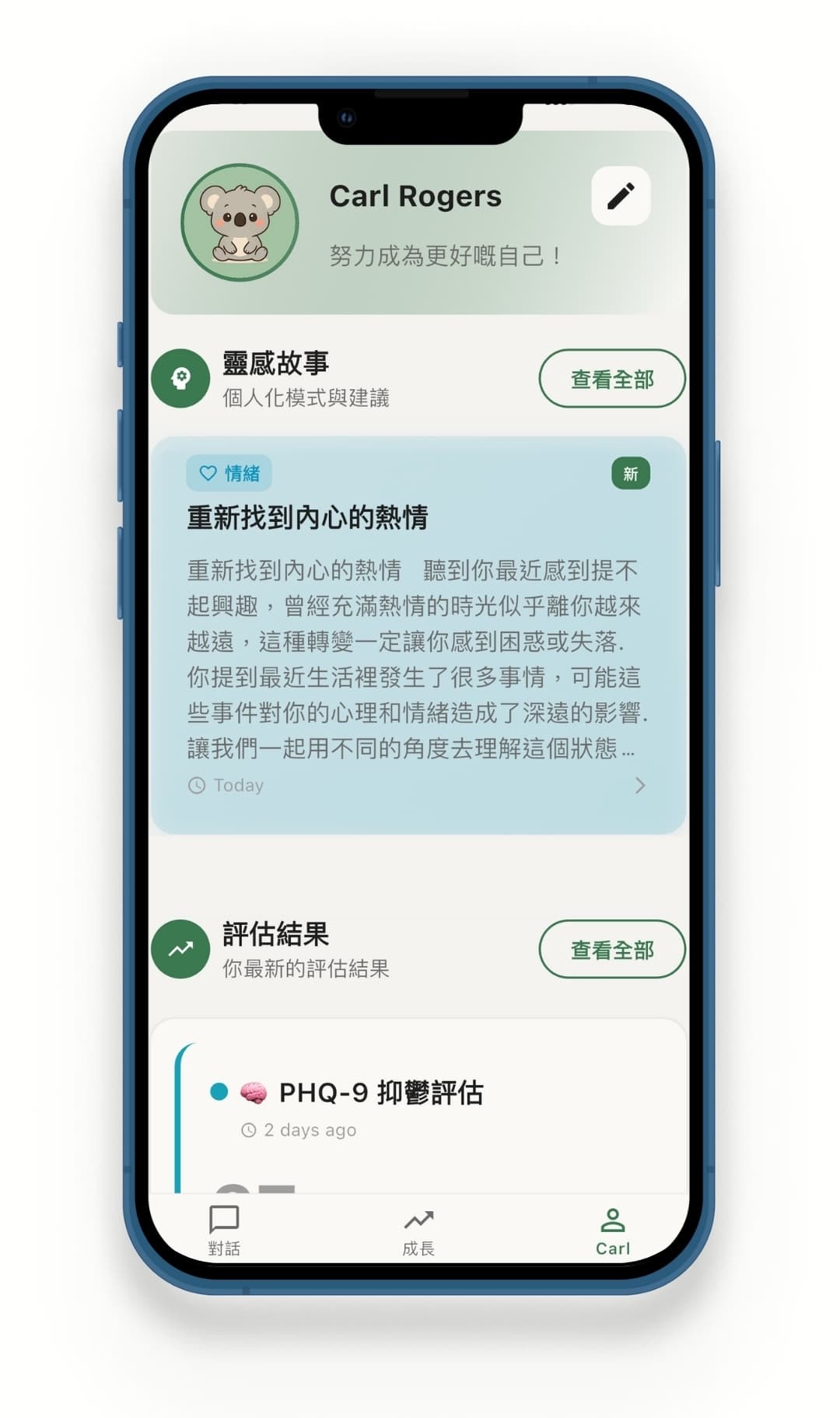
Explore the MindForest App: step out of the shadow of a relationship and rediscover your strength
Some people use sweet words to disguise their manipulation; others are skilled at weaving cliques among the people around you, drawing you into an emotional quagmire before you even realise it. Through the MindForest App, you can see these relationships' red flags clearly again, heal a wounded heart, and become a more resilient, more clear-headed version of yourself.

? ForestMind AI: caring guidance within your relationships
Based on your emotional reactions in the moment and the state of your relationship, ForestMind AI offers professional yet gentle psychological suggestions. Whether you are caught in doubt, loss or confusion, it can help you clarify your emotions, recognise patterns of manipulation, and find your way out of the emotional fog.
? Inspiration Journal: putting yourself back together after being hurt
Write down the emotional ups and downs you've been through and the words that broke your heart, and let yourself see the whole picture through writing. The Inspiration Journal helps you release your emotions, rebuild your self-esteem and boundaries, and nurture a steadier sense of self for your next relationship.
? Psychological assessments: gain insight into your emotional patterns and build healthy attachment
Through psychological assessments, you can understand which kinds of manipulation you are most susceptible to in intimate relationships, learn to recognise the signs of emotional manipulation and relational aggression, and build a safer emotional baseline for yourself.
Download MindForest now. No matter what kind of "toxic woman" you've encountered, or what kind of harm you've suffered, it should never define your future. Let MindForest walk with you as you rebuild your confidence and find your way back to healthy love and relationships.
References
Archer, J. (2004). Sex differences in aggression in real-world settings: A meta-analytic review. Review of General Psychology, 8(4), 291–322.
Caldwell, M. A., & Peplau, L. A. (1982). Sex differences in same-sex friendship. Sex Roles, 8(7), 721–732.
Crick, N. R., & Grotpeter, J. K. (1995). Relational aggression, gender, and social-psychological adjustment. Child Development, 66(3), 710–722.
Jonason, P. K., & Webster, G. D. (2010). The dirty dozen: A concise measure of the Dark Triad. Psychological Assessment, 22(2), 420–432.
Prinstein, M. J., Boergers, J., & Vernberg, E. M. (2001). Overt and relational aggression in adolescents: Social-psychological adjustment of aggressors and victims. Journal of Clinical Child Psychology, 30(4), 479–491.






Comments
No comments yet — share your thoughts.