PTSD: You Don't Have to Carry Trauma Alone
People often ask me: what counts as trauma, and does having difficult feelings mean I am carrying it? Here is a look at post-traumatic stress disorder (PTSD) — what it is, how it shows up, and how to…
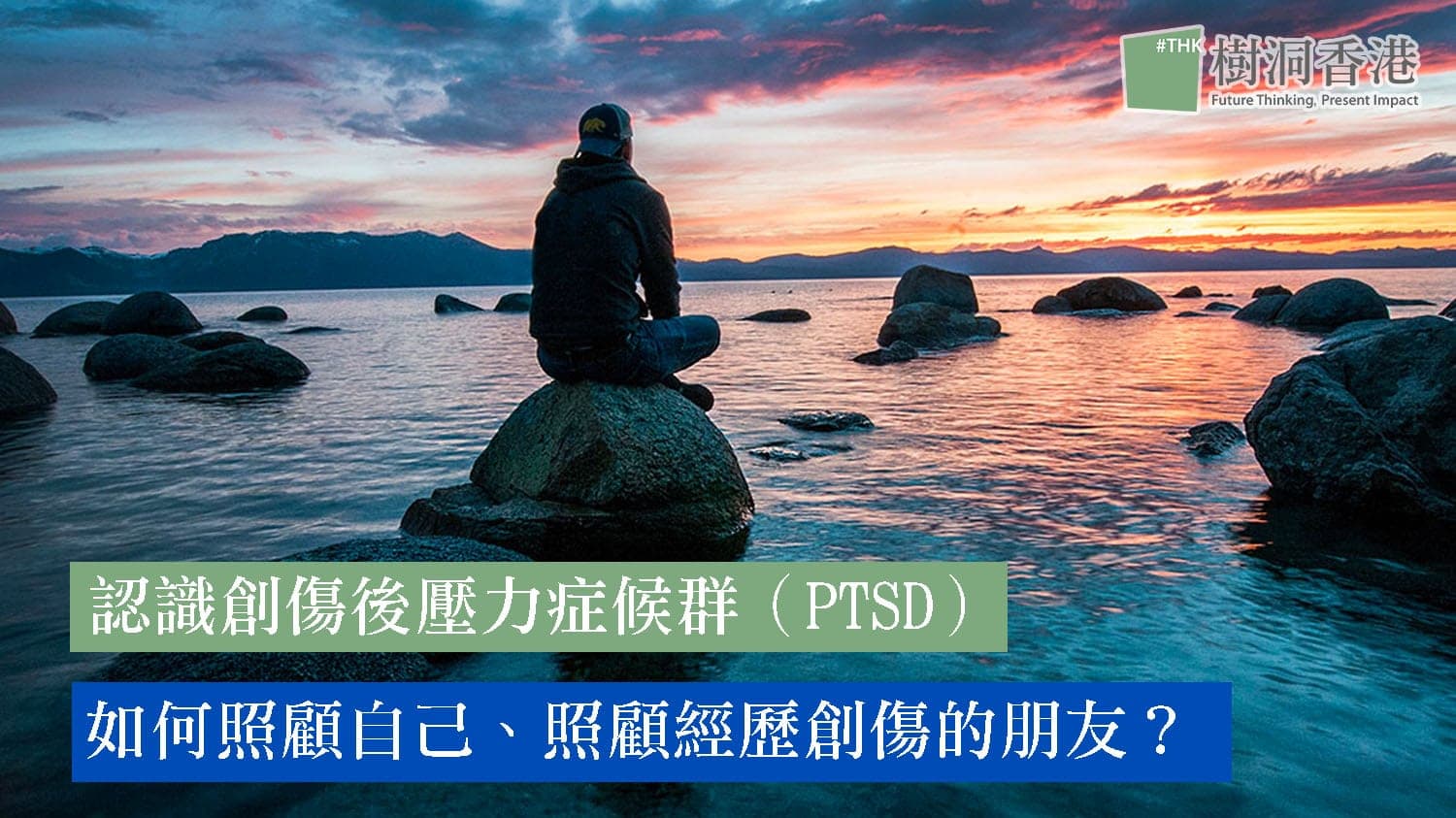

People often ask me: what counts as trauma, and does having difficult feelings mean I am carrying it? Here is a look at post-traumatic stress disorder (PTSD) — what it is, how it shows up, and how to…
People often ask me: “What counts as trauma? Why would the social movements of years past lead to collective trauma? Does having negative emotions mean I have been traumatised?” Today let us talk about PTSD — post-traumatic stress disorder.
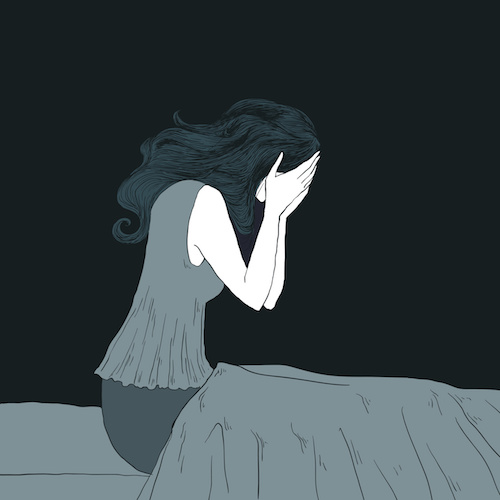
Post-traumatic stress disorder (also known as PTSD) is a form of anxiety disorder. Having lived through a traumatic experience (trauma), we find ourselves repeatedly reliving those scenes, images and memories. Those scenes replay over and over in our dreams and our recollections, leaving us with emotional distress on many fronts — including hatred, uncontrollable rage and intense anxiety — until our emotions turn numb. It is not only the victim of an event who may develop post-traumatic stress disorder; a witness standing nearby may also develop PTSD.
Common trauma is not limited to living through something like social rupture. The following experiences may also bring on PTSD:
One symptom that can appear with PTSD is the sudden resurfacing of memories of the traumatic experience (flashback of traumatic memory). Those recollections may replay within a dream, or they may be intrusive memories; they can be triggered by a stimulus we witnessed during the traumatic experience — for example, a soldier who has been through years of war might suddenly recall their wartime experiences on seeing a blade, producing uncontrollable feelings of anxiety. There was one case who, after living through a social movement, would be overcome by stress and anxiety every time they saw thick smoke; and a portion of cases may even develop the symptoms of survivor’s guilt (Survivor’s Guilt) or perpetrator trauma stress (perpetration-induced traumatic stress); on top of this, people with PTSD also experience hypervigilance because of their anxiety, and since they spend most of their energy avoiding the experiences that cause us pain, they develop symptoms such as an inability to concentrate and irritability.
After living through a traumatic experience, it is normal to recall those experiences and feel emotions arise. But if those post-traumatic after-effects keep worsening, persist for more than several months to a year or more, and even affect your daily life and work, you may have developed post-traumatic stress disorder (PTSD). If the symptoms affect your relationships and your life, and persist for more than a month, you may need to seek the help of a professional.
People with post-traumatic stress disorder often avoid their experiences because they are afraid of going through the trauma again, and so the trauma evolves into genuine PTSD. Only once they understand their own trauma and mental state more fully can they deepen their awareness of, and empathy for, their own mental health, and allow themselves to make it through the dark valleys of life. According to Steven Hayes, the founder of acceptance and commitment therapy (Acceptance and Commitment Therapy), it is normal for a healthy person to feel pain after living through a traumatic event; but if we only avoid and suppress this normal pain — that is, fall into experiential avoidance — it leads to psychological rigidity, and suffering follows.
To face trauma well, what we need is not only help from outside, but, even more, acceptance of our own experiences. Very often, when traumatic memories surface, we are quick to avoid those memories and feelings out of fear, and at times we would even like to do everything we can to forget them; this is entirely normal — our bodies are always trying to find ways to help us break free from painful feelings and grief-laden recollections. But in daily life there are always times when we must face those memories once more; take children who have lived through family conflict and the separation and divorce of their parents — though that trauma may be forgotten as they grow up, it does not disappear, and it can resurface in future relationships, in marriage, and even in family relationships.
To resolve the anxiety that trauma brings, we not only need to understand what we felt during those traumatic experiences, but also need to learn ways to coexist with it. I often say to my clients who have lost loved ones that I understand there is no way I can ease their pain — perhaps the sight of a cup or a bowl of soup will bring those moments of guilt and regret flooding before their eyes — but every time they share this experience, they are sure to let out some of the heaviness carried inside.
To all our friends in Hong Kong, and especially those who are still grieving: you do not need to face all of this on your own, you do not need to face the fear and despair on your own. Every piece of negative emotion and every experience is worth sharing and worth being received. Let us walk alongside you all, and weather the storms ahead together.
Keep reading
Personal Growth
Psychology
Psychology


피터팬
細個二年班嘅時候俾細舅父同佢當時的女朋友強迫一定要做晒啲瞓到覺,如果唔係就會俾人打然後如果俾人打嘅時候唔可以俾人聽到有喊聲,因為嘈醒屋企人跟住而家面對功課嘅時候個頭會劇痛痛到好似俾刀割左10,000下咁跟住而家功課問題好嚴重,唔知點解決到

蕙如
你的文章,對我們很有用,恩感.



Comments2 comments