When Love Turns to Silence
Have you ever met coldness and indifference from a partner, no matter how hard you tried to talk things through? This piece looks at the psychology behind the silent treatment — where it comes from, …

Have you ever met coldness and indifference from a partner, no matter how hard you tried to talk things through? This piece looks at the psychology behind the silent treatment — where it comes from, …

~5 min readUpdated 14 Sep 2026
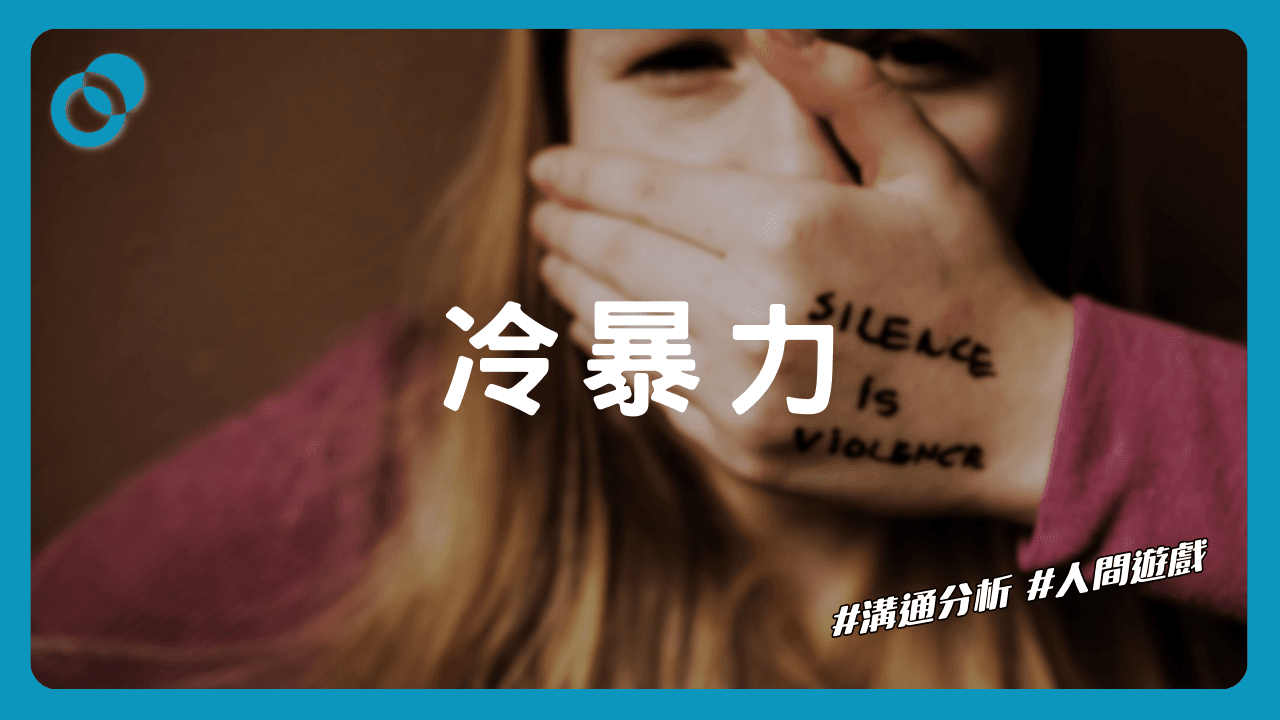
Have you ever met coldness and indifference from a partner in a relationship — where, no matter how hard you tried to communicate and express yourself, the other person stayed as unresponsive as a stone wall? The silent treatment may not be a formal psychological term, yet it is closely tied to a great many psychological phenomena. Today, we take a psychological look at what gives rise to the silent treatment and how to respond to it, to help you find your way out of an emotional impasse.
The silent treatment is a covert form of emotional abuse, expressed through behaviours such as coldness, indifference, and refusing to communicate. It is not as direct as verbal or physical violence, yet it can leave deep and lasting psychological harm on the person on the receiving end.
The silent treatment often stems from inner emotional avoidance and self-protection, and is closely bound up with the way the two people interact.
The person giving the silent treatment often lacks the ability to express emotion, or is afraid of facing conflict. They use coldness to avoid emotional responsibility and to push the problem onto the other person.
The silent treatment can also be a display of power and control. Through coldness and indifference, the person inflicting it tries to control the other's emotions and behaviour, leaving them feeling helpless and dependent.
The silent treatment is not a one-sided behaviour but the result of how two people interact. By understanding the dynamics of the relationship, we can respond to the silent treatment more effectively.
According to Eric Berne's theory of Transactional Analysis, interpersonal exchanges fall into three ego states: the Parent Ego State, the Adult Ego State, and the Child Ego State. The silent treatment often arises from an exchange between the Parent Ego State (controlling and critical) and the Child Ego State (helpless and people-pleasing).
To break the silent-treatment pattern, the key lies in shifting into the Adult Ego State — that is, facing the problem in a rational, responsible way rather than slipping into helplessness or defiance.
First, you need to reflect on your own role and behaviour within the silent-treatment relationship. Do you go too far to please the other person, or do you fall into a state of helplessness? Through self-awareness, you can better understand what gives rise to the silent treatment and change the way you interact (Yalom).
Try to communicate with the other person in a rational, responsible way rather than slipping into helplessness or defiance. For example, state your feelings and needs directly, and invite the other person to work through the problem with you.
If the silent treatment persists, you need to set boundaries for yourself and consider seeking professional support. Counselling or a support group, for example, can help you respond to the silent treatment more effectively and make wise choices.
The ultimate resolution to the silent treatment lies in recognising the responsibility and choice within the relationship. Whether you go on to improve the relationship or choose to leave it, what matters is whether you can take responsibility for your own choices and find a happiness that is your own.
Painful as the silent treatment is, it can also become an opportunity for personal growth. By understanding what gives rise to it, changing the way you interact, and taking responsibility for your own choices, you can find your way out of an emotional impasse and discover a happiness that is your own. We hope this article helps you understand the silent treatment a little better, and find courage and wisdom in the relationships ahead.
Explore the mysteries of psychology: subscribe to the TreeholeHK YouTube channel
Psychology is the key to understanding yourself and the world — a discipline well worth digging into. If you long for accurate, practical psychological knowledge, TreeholeHK's YouTube channel is a resource you cannot do without. We are devoted to sharing genuine psychology, helping you make sense of your emotions and behaviour with reason, and bringing insight to your life and growth. Subscribe to TreeholeHK now — http://www.youtube.com/@TreeholeHK — and begin your journey into psychology, letting knowledge become the power that changes your life!
Keep reading
Psychology
Workplace
Personality Psychology



Comments
No comments yet — share your thoughts.